
The traditional image of Madrid as a city defined solely by its Golden Triangle of Art is rapidly evolving into a more complex and vibrant tapestry of urban experiences that invite visitors to step off the beaten path. This transition marks a fundamental shift from a model based on landmark icons to one rooted in local identity. As a premier European urban destination, the city is currently implementing a neighborhood-centric model that prioritizes the lived experience of its residents alongside the curiosity of the global traveler. This approach does not merely seek to add more attractions to a list but aims to redefine the very essence of what it means to visit the Spanish capital.
A central component of this strategy is the concept of soft management, which focuses on guiding visitor flows through persuasion and narrative rather than strict prohibition. The initiative known as Te faltan calles serves as the primary vehicle for this transformation, encouraging guests to discover the soul of the city in its lesser-known districts. By identifying key market segments—ranging from luxury travelers seeking exclusivity to creative professionals looking for inspiration—Madrid is successfully diversifying its appeal. This evolution is supported by robust private-public partnerships that ensure the city’s international standing is bolstered by its modern creative energy and deep cultural roots.
From Landmark Icons to Local Identity: Madrid’s Shift in Global Appeal
The global travel market is witnessing a clear departure from the era of high-volume sightseeing toward a more nuanced appreciation of urban authenticity. Madrid has recognized this trend by repositioning itself as a collection of unique micro-destinations, each offering a distinct atmosphere and heritage. This shift allows the city to market not just a singular destination but a multifaceted journey where the personality of each neighborhood contributes to a larger, cohesive brand. Consequently, the city is moving away from being a mere stopover on a European tour to becoming a place for deep, prolonged exploration.
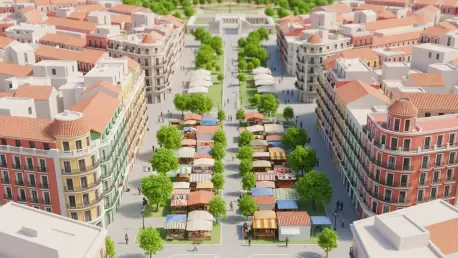
Moreover, the integration of cultural identity into the tourism product has fundamentally changed the traveler’s perception of value. Modern visitors are increasingly drawn to the creative energy found in ateliers, local markets, and neighborhood plazas where daily life unfolds. By fostering an environment where traditional businesses coexist with innovative startups, the city creates a dynamic that appeals to high-value tourists who prioritize cultural immersion. This strategic alignment ensures that the city remains competitive by offering something that cannot be replicated elsewhere: the authentic rhythm of Madrid life.
Shaping the Traveler’s Journey through Emerging Trends and Market Dynamics
The Rise of Authentic Storytelling and Decentralized Exploration
The current travel landscape is defined by a desire for immersive, narrative-driven visitor experiences that go beyond the postcard-perfect imagery of the past. Travelers are no longer satisfied with observing a city from the outside; they want to feel part of its story. This change in consumer behavior has paved the way for decentralized exploration, where the focus shifts from the central Puerta del Sol to the thriving art scene of Carabanchel. This district has emerged as a beacon for contemporary creativity, attracting those who wish to engage with the city’s avant-garde spirit in an industrial-chic setting.
In addition to urban creativity, there is a growing emphasis on integrating environmental heritage into the visitor experience. Large-scale green spaces like Casa de Campo are being recontextualized as vital parts of the city’s tourism map, offering a blend of recreation and nature that balances the intensity of the urban center. Similarly, historic sites like El Capricho provide a more contemplative and aristocratic narrative that complements the bustling energy of the streets. This diversification ensures that the traveler’s journey is multifaceted, blending history, nature, and modern culture in a way that feels organic and deeply personal.
Measuring Success through Growth Projections and Territorial Balance
The metrics used to evaluate the success of tourism are undergoing a significant overhaul to reflect the importance of territorial harmony. Traditional performance indicators, such as total visitor volume, are being replaced by more sophisticated data points that measure the distribution of economic impact across all districts. This transition ensures that the benefits of the tourism industry are felt in outlying neighborhoods, fostering a more equitable growth model. By focusing on the long-term value of neighborhood investments, the city is building a resilient economy that is less dependent on a handful of central hotspots.
Furthermore, resident satisfaction has become a critical barometer for the health of the local tourism sector. Future growth projections are now closely tied to the ability of the city to maintain a balance between visitor activity and the quality of life for its citizens. Monitoring systems are being utilized to track how neighborhood-led initiatives influence local businesses and public services. This data-driven approach allows for real-time adjustments, ensuring that as more people explore the city’s periphery, the social fabric remains intact and the local community continues to thrive.
Navigating the Pressures of Popularity: Overcoming Urban Congestion
The concentration of visitors in traditional city centers remains one of the most significant challenges for modern metropolitan areas. High foot traffic in a limited geographic area often leads to a strain on public infrastructure and a potential decline in the quality of the visitor experience. Madrid is addressing these obstacles by using experience design as a tool to naturally redistribute the crowds. By highlighting the unique appeal of different neighborhoods, the city encourages visitors to explore wider areas, thereby reducing the density in the most famous squares and streets.
To mitigate friction between tourism and local life, the city is focusing on cultural storytelling that promotes a sense of respect and shared space. When visitors view a neighborhood not just as a backdrop for photos but as a living community with its own history, their behavior tends to align more closely with local norms. This narrative approach helps to foster a sustainable relationship between the guest and the host. Moreover, improvements in public transportation and digital wayfinding are making it easier for travelers to navigate the entire metropolitan area, further supporting the goal of territorial redistribution.
A New Framework for Governance: The Madrid Tourism Strategy 2024–2027
The regulatory landscape of the city is currently shaped by the Strategic Plan for 2024–2027, which provides a comprehensive roadmap for sustainable development. This framework emphasizes the need for inter-departmental coordination, bringing together urban planning, culture, and tourism authorities to create a unified vision. Such a collaborative approach ensures that tourism development is not an isolated activity but is integrated into the broader goals of urban management. This level of governance is essential for handling the complexities of a modern global capital.
Central to this strategy is the use of the Tourism Intelligence System, a data-driven platform that provides insights into visitor behaviors and preferences. This system allows policy makers to identify emerging trends and potential bottlenecks before they become problematic. By complying with high sustainability standards and leveraging digital tools, the city is able to manage its resources more effectively. This proactive governance model ensures that the growth of the tourism sector is both manageable and beneficial for all stakeholders involved, from international investors to local shop owners.
Innovation and the Future Landscape of the Madrid Experience
Digital transformation is playing a pivotal role in how the city brands itself to the world through platforms like esMadrid and VisitMadrid. These tools provide a gateway for visitors to discover the granularity of the city’s offerings, from the smallest craft workshop to the largest museum. By utilizing digital integration, the city can offer personalized recommendations that guide travelers toward experiences that match their specific interests. This technological layer enhances the visitor journey while providing the city with valuable data to refine its marketing strategies.
Looking ahead, the role of everyday culture will be a primary factor in maintaining global competitiveness. The future landscape of tourism will likely focus on inclusivity and the continued evolution of peripheral neighborhoods as primary attractions. As digital nomads and creative professionals continue to seek out authentic urban environments, the ability of a city to offer a diverse and welcoming atmosphere will be its greatest asset. The integration of technology and local storytelling will continue to be the driving force behind the city’s ability to offer a unique and high-quality experience to everyone who visits.
Synthesizing the Neighborhood Strategy for Long-Term Prosperity
The examination of the current urban strategy demonstrated that the decentralization of tourism activity was a vital step in preserving the social and cultural integrity of the city. By successfully shifting the focus from iconic landmarks to the unique identities of various districts, the municipal authorities created a more balanced and sustainable model for growth. The initiative to promote the streets of the periphery allowed for a more diverse visitor profile and a wider distribution of economic benefits. This approach proved that a city could expand its tourism capacity without compromising the quality of life for its residents.
The insights gained from this report suggested that the future of urban tourism depends on the ability of stakeholders to foster deep connections between visitors and local communities. It is recommended that investors and policymakers prioritize the development of local infrastructure that supports both the neighborhood’s residents and its guests. Moving forward, the focus must remain on the high-resolution management of urban spaces, using data to ensure that growth is always in harmony with the local environment. By maintaining this commitment to authenticity and territorial balance, the city will continue to serve as a global benchmark for sustainable urban tourism.