
Katarina Railko brings a wealth of experience from the travel and tourism sectors, having carved a niche as a prominent voice in hospitality and high-scale events. Her perspective on the evolving landscape of boutique accommodations is particularly relevant as the industry shifts toward hyper-local experiences. In this discussion, we explore the upcoming debut of Native Fulham Broadway, a project that blends historic market charm with cutting-edge digital hospitality. We dive into the nuances of neighborhood-centric design, the strategic importance of London’s West Brompton corridor, and the intentional curation of art that bridges the gap between public vibrancy and private serenity.
Creating a space that reflects Fulham Broadway’s historic market culture requires a specific blend of textures and materials. How does the interior design of this new property manage to feel both rooted in London’s past and distinctly contemporary?
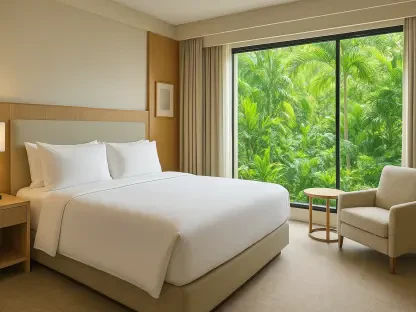
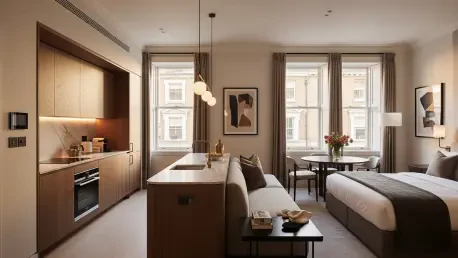
The design team, led by YOUTH in collaboration with Native’s internal experts, really leaned into the independent spirit of North End Road to ensure these 41 rooms don’t feel like typical, sterile hotel spaces. They utilized a rich palette of layered materials and premium furnishings that evoke warmth and a sense of timelessness, rather than just cold, modern minimalism. By incorporating fully equipped kitchens and work-friendly layouts into these double rooms and studios, the brand is acknowledging the modern traveler’s need for flexibility while maintaining a “stay like a local” feel. It is about creating a sense of retreat that still honors the lively energy and the “distinct energy” of the market right outside the door at 284–288 North End Road. The inclusion of air conditioning throughout and high-speed WiFi ensures that while the aesthetic is rooted in the past, the functionality is strictly high-end and modern.
The artwork curation seems to play a pivotal role in defining the identity of Native Fulham Broadway. Could you walk us through how the collaboration with Emma Lang and SOTA Marketplace elevates the guest experience?
Emma Lang’s approach is incredibly intentional, focusing on a diverse roster that champions female and underrepresented voices to reflect the vibrancy of the local community. You will see this reflected in the way the corridors are filled with playful, colorful works that mirror the neighborhood’s bustle, while the rooms feature more serene, textural pieces. For example, London-based Frankie Penwill contributed feminine and versatile compositions that appear throughout the rooms, creating a calm atmosphere for guests to unwind. They’ve even integrated sustainable artists like Donna Baitey, who uses eco-conscious bamboo paper, which adds a layer of depth and ethics to the visual identity. Each floor actually presents a unique collection, so as a guest moves through the building, they aren’t just walking down a hallway; they are engaging with a curated visual journey that feels deeply connected to the local London art scene.
Numa is known for its technology-led model. How does the seamless digital check-in process change the way guests interact with a neighborhood like Fulham?
In the traditional hotel model, the lobby can sometimes feel like a formal barrier, but here the ground-floor lobby and social spaces are designed for a relaxed, flexible sense of arrival. By moving to a fully digital check-in, guests gain a level of independence that aligns perfectly with the “aparthotel” lifestyle, allowing them to skip the formalities and get straight to exploring the surrounding cafes and restaurants. We see amenities like integrated luggage lockers and a communal laundry room that support this self-sufficient vibe, making it ideal for both one-night stays and month-long residencies. This tech-driven ease ensures that the logistics of travel never overshadow the experience of the destination itself, providing convenience and ease throughout the entire stay. It allows the traveler to feel more like a resident of West Brompton than a temporary visitor.
Fulham Broadway and West Brompton are areas with a very distinct energy. What makes this specific location such a strategic win for the brand’s expansion across London?
This location is a powerhouse because it sits right at the intersection of city convenience and genuine community character, surrounded by a mix of independent retail and cultural attractions. With both Fulham Broadway and West Brompton stations in close proximity, the connectivity to the rest of London is unparalleled for business travelers, yet the immediate area remains a hub of local life. Philip Lassman has noted that the goal was to create a stay that is rooted in the neighborhood rather than sitting apart from it, which is exactly what this site achieves. It fills a gap in the market for premium, design-led hospitality in a part of London that has historically been underserved by high-end, flexible accommodation options. The upcoming addition of a dedicated food and beverage space adjacent to the entrance will only further cement its status as a local landmark.
What is your forecast for the evolution of the “aparthotel” model in major urban centers like London over the next few years?
I anticipate that we will see a significant shift toward “hyper-localism,” where the success of a property depends entirely on how well it integrates into its specific street or borough. The 41-room scale of Native Fulham Broadway is a perfect example of this trend; it is large enough to be professionally managed but small enough to feel like a boutique discovery. Travelers are increasingly seeking “effortless flexibility,” wanting the reliability of a high-end hotel with the soul of a private apartment and the tech-forward ease of a digital-first brand. As we move forward, the most successful properties will be those that, like this one, partner with local creators and leverage technology to remove friction, allowing the guest to truly inhabit the city. The blend of “playful” public spaces and “serene” private retreats will become the standard for the premium traveler.