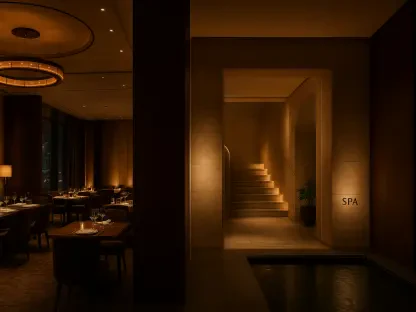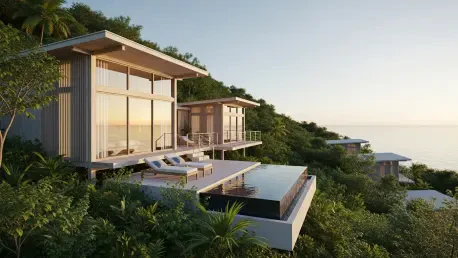

The traditional definition of high-end opulence, once measured strictly by material excess and a curated isolation from the local environment, has undergone a fundamental transformation as modern travelers prioritize ecological integrity over performative vanity. Today, the luxury travel sector is moving beyond simple “green” initiatives that merely reduce harm, instead embracing regenerative practices that actively restore the destinations they occupy. This evolution reflects a broader cultural shift where the sophisticated guest no longer views sustainability as a compromise but as the ultimate hallmark of a refined experience. This trend is characterized by a seamless integration of conservation and high-end hospitality, where the value proposition is defined by the depth of the connection to the land and the transparency of the operational footprint. As global awareness concerning biodiversity loss and climate volatility intensifies, the industry leaders are demonstrating that a premium stay can, and must, function as a primary vehicle for environmental protection.
Cultivating Local Ecosystems through Regenerative Gastronomy
In the lush landscapes of Saint Lucia, the BodyHoliday resort illustrates how high-end dining is pivoting toward a closed-loop culinary system that prioritizes hyper-local production. The I-TAL dining concept serves as a blueprint for this shift, utilizing a biointensive two-acre organic garden that supplies the majority of the ingredients found in its seasonal menus. This “earth-to-table” philosophy eliminates the significant carbon emissions associated with long-range food transportation while ensuring that guests consume nutrient-dense, chemically free produce. Beyond mere consumption, the property integrates honey production and the cultivation of medicinal flora into the guest experience, fostering an educational dialogue about sustainable land management. By moving away from imported delicacies and focusing on the indigenous bounty of the Caribbean, the resort proves that the highest tier of culinary sophistication is found in the freshness and purity of ingredients harvested directly from the surrounding soil.
Building on this foundation of local sourcing, The Lake House on Canandaigua in New York further refines the concept of regenerative gastronomy through its sophisticated horticulture program. The property employs a dedicated team of specialists to manage onsite gardens that provide a continuous supply of herbs, vegetables, and flowers for both the kitchen and the spa. This strategy does more than just reduce waste; it creates a seasonal rhythm that connects the traveler to the specific microclimate of the Finger Lakes region. The integration of these botanical resources into every facet of the stay demonstrates a commitment to transparency that modern luxury consumers increasingly demand. When a guest understands exactly where their meal originated and the sustainable methods used to grow it, the dining experience gains a level of authenticity that traditional luxury cannot replicate. This focus on the provenance of resources has become a key differentiator in a crowded market where ethics and quality are now inextricably linked.
Engineering Minimal Footprints and Advanced Resource Management
The shift toward sustainable luxury is equally evident in the physical infrastructure of remote destinations, where low-impact design is essential for preserving fragile ecosystems. At Sal Salis Ningaloo Reef in Australia, the “safari-style” architecture utilizes elevated boardwalks to prevent soil erosion and protect the delicate subterranean fauna of the Cape Range National Park. This intentional design allows the resort to exist in harmony with its surroundings, using modular structures that can be removed without leaving a permanent scar on the landscape. Furthermore, the property adheres to seasonal closures to allow the local ecosystem to recover, prioritizing long-term biological health over short-term occupancy gains. This operational model is supported by a financial and operational partnership with Western Australia’s Department of Biodiversity, Conservation and Attractions, ensuring that a portion of the revenue directly funds regional conservation efforts. Such initiatives prove that luxury can coexist with rigorous environmental stewardship.
Parallel to these efforts in the wilderness, urban and lakeside retreats are implementing advanced mechanical solutions to decarbonize the guest experience. The Lake House on Canandaigua utilizes comprehensive geothermal heating and cooling systems to maintain guest comfort without relying on traditional fossil fuel infrastructure. This invisible technology is paired with visible sustainability measures, such as the total elimination of single-use plastics and the promotion of low-carbon transportation options like high-quality biking programs. These engineering choices reflect a sophisticated understanding of resource management, where the luxury lies in the efficiency and cleanliness of the utility systems. By investing in geothermal energy and robust waste-reduction protocols, the property demonstrates that modern infrastructure can meet the highest standards of comfort while remaining deeply respectful of the local watershed. This holistic approach ensures that the enjoyment of the scenery does not come at the expense of its future preservation through carbon emissions.
Future Strategies for Holistic Environmental Stewardship
The transition toward a sustainable luxury model required a comprehensive reevaluation of the relationship between hospitality and the natural world. Stakeholders who succeeded in this shift focused on integrating conservation directly into the core business strategy rather than treating it as a secondary marketing tool. It was observed that properties which established formal partnerships with governmental conservation bodies or environmental non-profits achieved higher levels of guest trust and operational resilience. These collaborations allowed for a more data-driven approach to resource management, particularly in sensitive areas like the Ningaloo Reef or the Caribbean coastline. The successful implementation of these strategies suggested that the future of the industry depended on the ability to balance high-touch service with a low-impact presence. This balance was maintained by prioritizing long-term ecological stability as the primary asset of the brand, ensuring that the destination remained attractive for generations of travelers.
Furthermore, the adoption of closed-loop agricultural systems and geothermal energy provided a clear path toward operational independence and reduced environmental risk. Decision-makers in the luxury sector identified that investing in onsite food production and renewable energy infrastructure was not only an ethical choice but a practical one that mitigated the volatility of global supply chains. The move toward hyper-local sourcing and advanced waste management became a standard requirement for any property seeking to maintain a competitive edge in a market defined by conscious consumption. As the industry moved forward, the emphasis remained on creating experiences that were both restorative for the guest and the planet. This dual commitment transformed the travel landscape, proving that the most desirable destinations were those that actively contributed to the health of the earth. The lessons learned from these pioneering properties established a new framework for excellence that redefined what it meant to travel in a responsible and sophisticated manner.