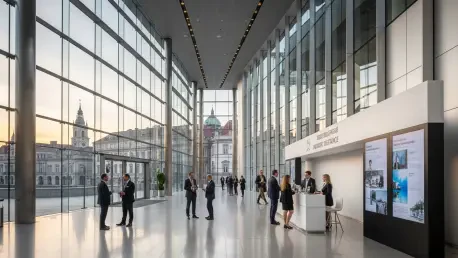

Regional economies often rely on the delicate balance between seasonal tourism and steady commercial investment to maintain long-term financial health and infrastructure sustainability. The West of England is currently navigating this transition through the strategic evolution of its business events sector, most notably with the official rebranding of its specialized division into the Visit West Convention Bureau. By consolidating the identities of major hubs like Bristol and Bath under a single, authoritative banner, the organization is positioning the region as a unified powerhouse for national and international conferences. This move is not merely a cosmetic change but a calculated effort to streamline how event organizers interact with the local landscape. The transition comes at a time when the region is seeing a surge in demand for professional meeting spaces that offer both historical charm and modern technological integration, creating a unique value proposition for global stakeholders.
Strengthening Regional Identity Through Strategic Consolidation
The decision to retire the “Meet Bristol and Bath” name in favor of the Visit West Convention Bureau marks a significant shift toward a more integrated regional marketing strategy. This new nomenclature reflects a commitment to representing the entire geographic expanse of the West of England, ensuring that smaller municipalities and emerging venues benefit from the same visibility as their larger counterparts. For event planners, this consolidation simplifies the navigation of a complex market, offering a single point of contact for diverse logistical needs ranging from boutique heritage sites to expansive contemporary arenas. By aligning the business events division more closely with the parent Visit West organization, the bureau reinforces a cohesive brand message that resonates with corporate decision-makers seeking stability and professionalism. The rebranding project, which is reaching its full implementation this spring, serves as a foundation for a more aggressive pursuit of high-value international bids.
Accompanying this organizational shift is the launch of an advanced digital infrastructure designed to enhance user experience and transparency for global organizers. The redesigned website functions as a comprehensive resource, providing real-time data on venue capacities, technical specifications, and local accessibility standards that are essential for modern event planning. It also clarifies the specialized services offered by the convention bureau, such as complimentary venue-finding assistance and support in developing competitive bids for large-scale association meetings. This level of digital accessibility is crucial in a competitive landscape where planners require immediate access to accurate information before committing to a destination. By demystifying the role of the bureau and highlighting free support services, the platform encourages a broader range of associations and corporations to consider the region, thereby diversifying the portfolio of events hosted within the local ecosystem over the coming months.
Economic Resilience Through High-Value Business Tourism
Business tourism has proven to be a cornerstone of regional economic stability, particularly as it operates on a different cycle than traditional leisure travel. Over the past twelve months, the bureau has managed inquiries valued at more than £3 million, demonstrating the substantial financial impact that corporate gatherings have on the local hospitality and service sectors. Unlike casual tourists who may visit primarily during the summer months, business delegates often arrive during mid-week and off-peak periods, providing a consistent revenue stream for hotels, restaurants, and transport providers. This year-round activity helps to maintain high employment levels within the service industry and justifies ongoing private investment in the local infrastructure. Furthermore, business travelers typically have a higher per-capita spend compared to leisure visitors, as their itineraries often include professional catering, gala dinners, and technical support services that inject capital directly into the regional supply chain.
The long-term growth of the West of England is increasingly tied to its ability to host complex, large-scale conferences that require specialized logistical support and high-capacity facilities. Between 2026 and 2031, the region is set to undergo a transformative expansion characterized by the construction of premium hotel properties and the modernization of major event venues. These infrastructure upgrades are designed to enhance the region’s competitive edge in the global market, allowing the Visit West Convention Bureau to target prestigious international accounts that were previously out of reach. Improved transport connectivity is also a key factor in this growth, as it facilitates easier access for international delegates arriving via major transit hubs. As these developments materialize, the bureau will play a vital role in ensuring that the increased capacity is utilized effectively, positioning the region not just as a domestic favorite, but as a premier destination for global thought leadership and commercial exchange.
Future-Proofing the Regional Economy Through Collaboration
To capitalize on these structural changes, stakeholders within the regional tourism and business sectors must adopt a proactive approach to partnership and innovation. The establishment of the Visit West Convention Bureau provided a robust framework, but the ultimate success of this initiative depended on the continued collaboration between public authorities and private venue operators. Organizations prioritized the integration of sustainable practices and advanced event technologies to meet the evolving expectations of global delegates who valued environmental responsibility and seamless connectivity. Looking ahead, the focus shifted toward identifying niche markets where the West of England possessed unique expertise, such as green energy or aerospace, to attract industry-specific symposia. By fostering these specialized connections, the region successfully secured its position as a hub for innovation. The next phase involved leveraging the new brand identity to build deeper relationships with international associations, ensuring a steady pipeline of events.