
The global appetite for sophisticated travel experiences has transformed into a relentless pursuit of authenticity, pushing the luxury market value past the $1.2 trillion mark this year as guests prioritize personal connection over gilded opulence. This shift reflects a broader movement within the travel industry where the “residential sensibility” of a space now dictates its desirability. Travelers are increasingly walking away from the cold, impersonal grandeur of traditional hotels, opting instead for environments that mirror the warmth and character of a private estate. Hyatt has recognized this fundamental change, placing a massive bet on the Americas by focusing on properties that prioritize how a guest feels rather than just the number of amenities listed on a brochure.
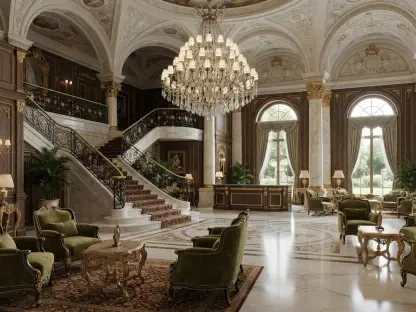
The current strategy is defined by a “Thoughtful Growth” mandate, which represents a significant departure from the industry’s typical obsession with quantitative room counts. Instead of simply saturating markets with identical structures, the focus has shifted toward the qualitative aspects of the guest experience. This involves a meticulous selection of locations and architectural designs that foster a sense of belonging and cultural relevance. In this new era, the success of a luxury brand is measured by its ability to provide a curated sanctuary where every detail, from the lighting to the local textiles, tells a story that resonates with the traveler’s own lifestyle and values.
Beyond the Standard Stay: A New Era of High-End Hospitality
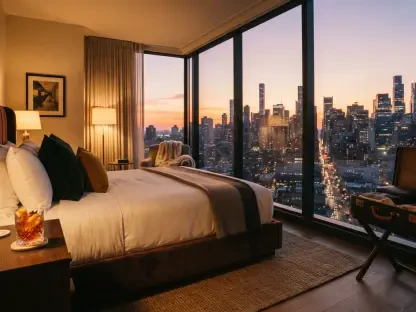
The transformation of the luxury sector is largely driven by the demand for spaces that feel integrated rather than imposed. Modern hospitality is no longer about providing a gold-standard service in a vacuum; it is about creating a bridge between the traveler and the destination. This residential approach removes the traditional barriers of the hotel lobby, replacing them with inviting communal spaces and personalized hosting that anticipates needs without the friction of formality. By focusing on this level of intimacy, Hyatt is positioning its portfolio as a collection of homes for the “Modern Voyager” who seeks a deeper level of engagement with their environment.
This qualitative shift also addresses the psychological needs of the high-net-worth traveler, who often balances a high-stress professional life with a desire for profound relaxation. The movement away from “hotel coldness” toward a more textured, living aesthetic allows for a more natural transition into vacation mode. As a result, properties are being developed with a focus on silence, space, and a connection to nature. This mandate ensures that growth is not just a corporate metric but a promise of quality that guarantees every new opening contributes something unique to the global travel landscape.
The Strategic Shift: Toward Regional Dominance
The 2026-2027 roadmap for Hyatt indicates a concentrated focus on Mexico, Canada, and the Caribbean, territories that are currently seeing a surge in sophisticated leisure travel. This expansion is built upon a “Triple Threat” strategy, which involves triangulating urban centers, coastal retreats, and resort hubs to create a seamless luxury circuit. This allows guests to move from a high-energy city environment to a secluded beach or a mountain retreat without ever leaving the brand’s ecosystem. By dominating these key regional hubs, the company creates a sense of reliability and continuity for travelers who move frequently between these diverse geographies.
Moreover, the strategy addresses the specific demands of a new generation of travelers who prioritize cultural immersion over simple luxury. These individuals are looking for more than just a beautiful view; they want to understand the history, the food, and the people of the region they are visiting. Hyatt’s regional dominance is not just about physical presence but about becoming an authority on the local culture. By weaving the hotel into the fabric of the community, these properties serve as authentic gateways that offer exclusive access to experiences that were once reserved for locals, thereby increasing the property’s value as a cultural conduit.
Defining the New Luxury: Brands With Distinct Identities
The Park Hyatt brand is currently spearheading a significant industry evolution by venturing into the all-inclusive space without compromising its reputation for understated elegance. The Park Hyatt Riviera Maya is set to become a landmark property by the end of 2026, redefining the all-inclusive trope through high-end à la carte dining and a focus on the art of thoughtful hosting. In contrast, the Park Hyatt Mexico City Polanco brings an urban edge to the portfolio, integrating the sophisticated lifestyle of one of the city’s most affluent districts. Here, the focus is on local gastronomy and architecture, ensuring the hotel feels like a natural extension of the Polanco district’s vibrant energy.
The Unbound Collection by Hyatt continues to champion narrative-driven stays, focusing on properties that possess a unique and independent character. A prime example is The Clayfield in Ontario, which utilizes terroir-based hospitality to tell the story of the region’s natural landscape. By using materials like clay and timber that are native to the area, the hotel creates a physical connection to the soil and vineyards of Niagara-on-the-Lake. Meanwhile, at Impression Isla Mujeres, the focus is on hyper-personalization, where butler-led service and suite-only accommodations cater to those seeking a more private, curated experience that feels entirely removed from the mass-market travel circuit.
The integration of wellness has found its most profound expression in the Alila brand, particularly with the opening of Alila Mayakoba. This property is designed to merge intentional living with the raw beauty of the Riviera Maya’s mangroves and waterways. A strategic partnership with the Erewhon Member Lifestyle Collective further highlights this commitment, targeting a health-conscious demographic that views wellness as a non-negotiable part of their daily routine. By aligning with such lifestyle brands, Hyatt ensures that its wellness offerings are not just superficial spa treatments but are deeply integrated into the dietary and physical programming of the guest’s stay.
Expert Perspectives: Market Evolution and Brand Loyalty
Current market trends suggest that travelers are increasingly rejecting “cookie-cutter” luxury in favor of architectural narratives that offer a sense of place. Experts in high-end hospitality note that brand loyalty is now earned through uniqueness rather than consistency. While guests expect a certain level of service, they are more likely to return to a property that offers a one-of-a-kind aesthetic and a narrative they can share. This has led to a surge in interest in luxury all-inclusive models among high-net-worth individuals who seek the convenience of a bundled stay but refuse to sacrifice the quality of a bespoke culinary or wellness experience.
Furthermore, the “Community-Integrated” model is becoming a vital part of the luxury ecosystem. By using hotels as gateways to local artisans and exclusive regional makers, brands are able to offer a level of exclusivity that cannot be replicated by online travel agencies. Industry analysts point out that the modern luxury traveler wants to feel like a patron of the local culture. Providing guests with private access to vineyards, art studios, or hidden historical sites creates a profound emotional connection to the brand. This strategy moves the hotel beyond its role as a service provider and into the role of a trusted cultural advisor.
Strategies for Navigating the New Luxury Ecosystem
Maximizing the value of the modern Hyatt ecosystem requires a strategic approach to travel planning, particularly by leveraging the “Circuit” model. Travelers can benefit from choosing a variety of property types—urban, coastal, and terroir-based—within a single trip to experience the full spectrum of a region’s offerings. This approach ensures a diverse travel narrative while maintaining a high standard of hosting and amenities. By staying within a single ecosystem of brands, guests can also ensure that their preferences and wellness needs are communicated across different properties, creating a seamless and highly personalized journey from start to finish.
When evaluating potential stays, identifying “Terroir-Based” opportunities is essential for those seeking a deeper connection to their destination. This involves looking for properties that use local materials, offer regional cuisine, and provide wellness programs rooted in local traditions. Additionally, guests should look for specialized amenities that offer pre-arrival planning and private access to local experiences. These high-touch services are the hallmark of the new luxury, transforming a simple hotel stay into a comprehensive cultural and personal exploration that leaves a lasting impact long after the journey has ended.
The expansion of the luxury portfolio across the Americas demonstrated that the ultimate value of hospitality lay in the ability to bridge the gap between luxury and legacy. Strategic choices favored properties that offered deep community integration, allowing guests to transition from passive observers to active participants in local cultures. Travelers who embraced the circuit-based approach to planning discovered that a cohesive brand ecosystem provided a safer, more enriched path for exploring complex regional terrains. As these developments matured, the focus shifted toward sustainable luxury models that prioritized environmental preservation alongside guest comfort. This evolution ensured that the high-end hospitality sector remained a vital contributor to regional economies while satisfying the deepest cravings of the global voyager for meaning and connection.