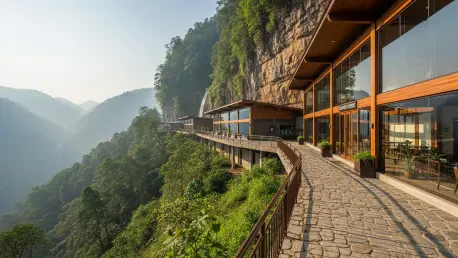

The lush, mist-covered highlands of Meghalaya are no longer just a backdrop for nature lovers but have become the centerpiece of an aggressive, multi-billion rupee economic blueprint aimed at rewriting the state’s fiscal future. Currently, the region is undergoing a radical transformation, shifting its tourism sector from a collection of fragmented scenic spots into a highly structured, government-backed economic engine. The state government recently detailed an ambitious strategic roadmap designed to establish Meghalaya as a premier destination for both domestic and international travelers by 2028. This plan goes beyond merely increasing foot traffic; it represents a comprehensive effort to build a sustainable ecosystem that balances high-end infrastructure with grassroots community empowerment. By the end of this decade, the state intends to make tourism a primary driver of its Gross State Domestic Product (GSDP), ensuring a reliable source of long-term livelihood for its citizens.
Building on a Legacy of Natural Beauty and Cultural Heritage
Historically, Meghalaya has been celebrated for its breathtaking landscapes, ranging from the architectural marvels of living root bridges in Cherrapunji to the crystal-clear waters of the Umngot River. However, despite this natural wealth, the state’s potential was often limited by inadequate connectivity and a lack of formal hospitality infrastructure. Past developments were largely centered around a few iconic sites, which left many rural areas untapped and economically isolated. This new strategic plan acknowledges these historical bottlenecks and seeks to pivot the industry toward a professionalized, experience-based model. By learning from previous shifts in the global travel market, the administration is now positioning its unique climate and geography as a premium asset rather than a logistical challenge. This shift marks a departure from the traditional approach, emphasizing that cultural preservation and economic growth are not mutually exclusive but are instead complementary forces.
Modernizing Infrastructure and Enhancing Regional Accessibility
Strengthening the Foundations of Connectivity and Iconic Attractions
A critical aspect of this roadmap involves the modernization of transportation and site-specific infrastructure across the state. For years, the difficulty of reaching the inner sanctums of the Khasi and Jaintia Hills hindered growth compared to other hill stations in India. To solve this, significant investment is flowing into the Umroi Airport expansion, which will soon allow larger aircraft to fly directly from major Indian metros. Beyond transit, the government is developing high-value projects like the Shillong Ropeway and the Rain Museum in Mawsynram. These initiatives are designed to diversify the state’s offerings, moving beyond simple sightseeing to provide world-class, immersive experiences that can compete on a global scale. Such projects are expected to draw a more affluent demographic, increasing the average spend per traveler and boosting the local economy.
Empowering Communities through the Homestay Mission
The Chief Minister’s Homestay Mission represents an essential angle of the strategy, focusing on decentralizing the economic benefits of travel. By aiming to establish 3,000 homestays by 2028, the government is projected to create 15,000 new jobs in rural sectors over the next few years. This initiative addresses the chronic shortage of quality accommodation while ensuring that local families are the primary beneficiaries of tourism revenue. Supported by significant financial disbursements through the Prime Minister’s Employment Generation Programme, this mission turns residents into entrepreneurs. This approach fosters a sense of ownership and pride in the state’s hospitality industry, which is vital for maintaining the authenticity that modern travelers crave. It allows for a more equitable distribution of wealth, ensuring that the prosperity of the sector reaches the furthest corners of the state.
Developing Human Capital and Grassroots Funding Models
The plan further explores the complexities of “human infrastructure” through the Chief Minister Hospitality Scheme. By providing scholarships and certifications at the Institute of Hotel Management, the state is training a local workforce to meet international service standards. This is complemented by the Community-Led Tourism Infrastructure Scheme, which provides grants for local entities to upgrade facilities like rest areas and visitor centers. These efforts address the common misconception that tourism growth only benefits large hotel chains; instead, the state is proving that a bottom-up approach can successfully professionalize a regional economy. By investing in people as much as in pavement, the government is building a resilient service sector that can adapt to changing consumer preferences while remaining deeply rooted in local traditions.
Emerging Trends and the Future of Meghalaya’s Travel Sector
Looking ahead, the state is aligning its growth with the “Viksit Bharat” roadmap, where tourism acts as a catalyst for regional prosperity. There is a visible shift toward specialized niche markets, including eco-tourism and luxury leisure experiences in locations like Umiam. Market analysis suggests that the integration of environmental consciousness with modern technology—such as digital booking platforms for rural homestays—will make Meghalaya a leader in sustainable travel. As regulatory frameworks become more investment-friendly, a surge in private capital is expected, further accelerating the development of the state’s hospitality landscape. The focus is increasingly on high-value, low-impact tourism, which protects the delicate ecological balance of the region while maximizing the economic returns for the local population.
Actionable Takeaways for a New Era of Tourism
The major takeaway from this strategic plan is that the state is moving away from a traditional “sightseeing” model toward an “experience-based” economy. For professionals in the industry, the focus should remain on sustainability and community engagement as core business values. Best practices now include investing in local talent and prioritizing eco-friendly infrastructure that minimizes the carbon footprint of travel. For travelers and investors alike, the region offers a unique opportunity to participate in a growing market that values cultural authenticity over mass-market appeal. Stakeholders should look toward rural entrepreneurship and high-value leisure projects as the primary areas for future growth and collaboration. Emphasizing the “slow travel” movement could further enhance the appeal of the state, attracting visitors who stay longer and engage more deeply with the local culture.
Conclusion: Securing a Sustainable and Prosperous Future
The strategic roadmap for 2028 marked a turning point in the history of the region, weaving together financial grants, major infrastructure, and educational initiatives into a unified vision. By prioritizing both the environment and the local community, the state ensured that its growth did not come at the cost of its heritage. This topic remained significant because it served as a blueprint for how other mountain regions could balance modern development with cultural preservation. Ultimately, the state redefined its role on the global stage, proving that a dedicated, community-focused strategy could turn natural beauty into lasting prosperity. The transition toward a professionalized hospitality sector provided a stable foundation for the next generation of entrepreneurs. As the plan reached its final stages, the focus shifted toward maintaining these high standards and ensuring that the benefits of the tourism boom continued to be felt by every citizen. This approach solidified the state’s reputation as a model for sustainable regional development in a rapidly changing world.