
For decades, the windswept plains of Central Asia were synonymous with the unyielding grit of nomadic life, where only the most intrepid travelers dared to venture into the vast and silent heart of the Mongolian steppe. This rugged identity long served as the primary allure for a specific brand of adventurer, one who viewed discomfort as a badge of honor and isolation as a challenge rather than a luxury. However, the arrival of the Ayan Zalaat Hotel & Spa in June 2024 signaled a profound transformation in how the world perceives this ancient landscape. By introducing a level of sophistication previously unseen in the region, the retreat effectively dismantled the “backpacker-only” stereotype that had defined the nation’s tourism for a generation.
The significance of this development lies in its ability to marry the untamed spirit of the wilderness with the meticulous standards of the global elite. Mongolia is no longer merely a destination for those seeking to escape the modern world; it has become a sanctuary where the modern world is reimagined through the lens of environmental exclusivity and refined wellness. This strategic shift is not an abandonment of cultural roots but rather an evolution that treats the silence of the steppe as a premium commodity. As the country positions itself within the ultra-luxury hospitality market, it is setting a precedent for how remote destinations can scale their offerings without sacrificing the very authenticity that makes them valuable.
Beyond the Nomad’s Ger: A New Era of Silence and Sophistication
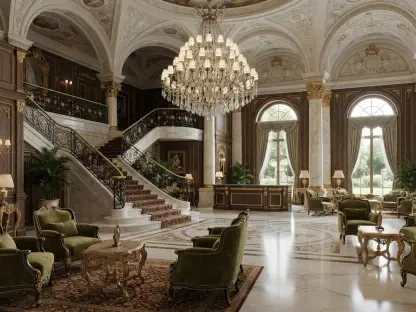
The transition from the traditional felt ger to a five-star wilderness retreat represents more than just an upgrade in linens or plumbing; it is a fundamental reimagining of the Mongolian experience. For years, the nomadic lifestyle provided the only blueprint for rural accommodation, offering a deep cultural immersion that often came with a lack of modern amenities. The Ayan Zalaat Hotel & Spa has bridged this gap by creating an environment where the elemental beauty of the landscape remains the focal point, while the infrastructure behind the scenes operates at the highest global standards. This allows a new demographic of travelers to engage with the wild without the physical toll of traditional expeditionary travel.
This new era of sophistication is built on the concept that silence is the ultimate luxury. In an increasingly interconnected and noisy world, the ability to find total stillness is a rare privilege that high-net-worth individuals are willing to pursue. The retreat utilizes its vast surroundings to offer a sense of privacy that is virtually impossible to find in established luxury hubs like the Maldives or the French Riviera. By focusing on the auditory and visual purity of the environment, the property provides a restorative experience that feels both ancient and contemporary. It challenges the notion that luxury must be flamboyant, suggesting instead that it should be measured by the depth of the connection one feels toward the land.
Furthermore, the opening of such a property acts as a catalyst for the local hospitality industry, raising the bar for service and design across the nation. The attention to detail found in the bespoke interiors and the personalized guest itineraries demonstrates a commitment to a level of professionalism that was once reserved for the capital city’s corporate hotels. This elevation of standards ensures that Mongolia can compete with other global wilderness destinations by offering a seamless experience from the moment a guest arrives. It serves as a proof of concept that the nation’s unique cultural heritage can be presented in a way that satisfies the world’s most discerning palates while maintaining its soul.
Redefining the Steppe: The Strategic Shift Toward High-Value Tourism
The decision to move toward a model of high-value tourism is a calculated response to the environmental and economic realities of the current era. Mass tourism, while lucrative in the short term, often places an unsustainable burden on delicate ecosystems and can dilute the cultural integrity of a region. By focusing on high-net-worth individuals, Mongolia is opting for a “low-volume, high-impact” strategy that prioritizes the preservation of its ecological heritage. This approach ensures that the influx of travelers does not lead to the degradation of the very landscapes they come to see, effectively turning tourism into a tool for conservation.
This strategic pivot aligns with a broader global trend where “luxury” is increasingly defined by authenticity, seclusion, and social responsibility. Modern travelers are moving away from gold-plated opulence in favor of experiences that offer a sense of meaning and environmental stewardship. The development of an ultra-luxury hospitality ecosystem allows the nation to capture a significant share of the global travel market while maintaining a minimal human footprint. This model not only protects the environment but also creates higher-quality employment opportunities for local communities, fostering a sustainable economy that values specialized skills and environmental knowledge over sheer volume.
Moreover, this shift facilitates the protection of Mongolia’s nomadic traditions by providing them with a prestigious platform. Rather than being viewed as a relic of the past, nomadic culture is integrated into the luxury experience as a sophisticated philosophy of living in harmony with nature. Guests are invited to observe and engage with local traditions through a curated lens that emphasizes mutual respect and cultural exchange. This ensures that the benefits of tourism are distributed in a way that supports the continuation of traditional lifestyles, rather than forcing them to adapt to the demands of mass-market commercialism.
Bridging the Primordial and the Modern: Architecture, Aviation, and the Bogd Khan Uul Reserve
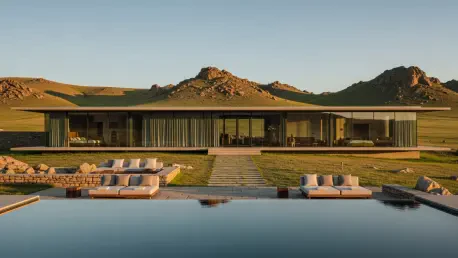
The design of the Ayan Zalaat Hotel & Spa serves as a masterclass in architectural harmony, utilizing materials and forms that mirror the rugged textures of the Bogd Khan Uul Biosphere Reserve. As one of the oldest protected areas in the world, the reserve offers a backdrop of alpine meadows and forested peaks that require a sensitive approach to construction. The retreat’s boutique philosophy ensures that the structures do not dominate the horizon but rather appear as a natural extension of the landscape. This synergy between built and natural environments is essential for maintaining the visual integrity of the UNESCO-protected site, providing guests with an immersive experience that feels primordial yet refined.
The proximity of the retreat to Ulaanbaatar’s modern aviation infrastructure is a critical factor in its success. The ability to transition from a long-haul international flight to a mountain sanctuary in less than an hour transforms the capital into a strategic “bleisure” gateway. For international executives and busy professionals, this accessibility is a significant value proposition. It allows for the possibility of a short-term restorative retreat that fits into a demanding schedule, making Mongolia a viable alternative to more established but less accessible wilderness destinations. This link between urban convenience and wild biodiversity is a unique competitive advantage that few other regions can offer.
Beyond logistics, the integration of aviation and high-end hospitality reflects a commitment to a seamless guest journey. The use of private transfers and specialized arrival services ensures that the transition from the modern world to the wilderness is as smooth as possible. This level of infrastructure support is necessary to maintain the standards expected by the ultra-luxury market. By leveraging its geographic position as a hub between Europe and Asia, Mongolia is effectively using its aviation strengths to support its tourism ambitions, creating a corridor of luxury that begins at the airport and extends deep into the heart of the biosphere reserve.
The Global Demand for Meaningful Seclusion and Environmental Integrity
There is a growing global appetite for travel experiences that act as a wellness tool, where the environment itself provides the foundation for mental and physical rejuvenation. Mongolia is emerging as a formidable competitor in this space, rivaling destinations like Iceland and Namibia by offering a unique brand of “sophisticated seclusion.” In an era where digital saturation and urban overcrowding are the norms, the psychological value of a vast, open landscape cannot be overstated. Ayan Zalaat capitalizes on this by integrating the “luxury of silence” into its core identity, offering guests a space where they can disconnect from the noise of modern life and reconnect with the rhythms of nature.
Expert consensus suggests that the success of such projects depends heavily on environmental storytelling—the ability to weave nomadic history and conservation ethics into the guest experience. This creates a profound emotional connection to the land that goes beyond mere sightseeing. Travelers are increasingly seeking out destinations that demonstrate a clear commitment to environmental integrity and social ethics. By positioning itself as a guardian of the Bogd Khan Uul reserve, the retreat appeals to the conscience of the modern traveler, making the act of visiting an act of support for global conservation efforts.
Restorative travel is also being redefined through the lens of local traditions. The inclusion of traditional Mongolian elements in spa treatments and culinary offerings provides a layer of cultural depth that generic luxury resorts lack. Whether it is the use of local herbs and minerals in wellness therapies or the presentation of modern interpretations of nomadic cuisine, the focus is always on the specific qualities of the Mongolian environment. This approach ensures that the guest experience is grounded in a sense of place, satisfying the demand for meaningful travel that is both restorative and intellectually engaging.
A Framework for Preserved Progress: Strategies for Sustainable Luxury
Maintaining the prestige of an ultra-luxury retreat within a UNESCO-protected area requires a rigorous commitment to low-impact development and sustainable operations. The operational framework for such properties must include advanced energy-efficient systems and meticulous waste management protocols designed to protect the delicate flora and fauna of the alpine meadows. By adhering to these strict guidelines, operators ensure that the presence of the hotel does not disrupt the ecological balance of the reserve. This focus on “preserved progress” is essential for the long-term viability of the sector, as the value of the destination is inextricably linked to its environmental purity.
Furthermore, the strategy for sustainable luxury must involve a collaborative relationship with local conservationists and community leaders. This ensures that the development of tourism infrastructure benefits the region’s broader ecological and social goals. Limiting the human footprint through restricted guest numbers and controlled access to sensitive areas is a key component of this model. By prioritizing quality over quantity, Mongolia can set a global standard for how to scale a luxury tourism sector while safeguarding the primordial beauty that makes the destination valuable in the first place. This framework provides a blueprint for other emerging markets seeking to balance economic growth with environmental responsibility.
The establishment of the Ayan Zalaat Hotel & Spa successfully demonstrated that the marriage of extreme wilderness and high-end hospitality was not only possible but highly desirable. It proved that the Mongolian steppe could serve as a backdrop for the world’s most refined travel experiences without losing its rugged essence. By prioritizing low-impact architectural harmony and the preservation of the Bogd Khan Uul reserve, the project established a new benchmark for sustainable development in the region. This evolution in the tourism sector laid the groundwork for a future where Mongolia remained a sanctuary of silence and environmental integrity, attracting a generation of travelers who valued the preservation of the wild as the ultimate expression of luxury. Through these actions, the nation secured its place on the global stage as a leader in meaningful and responsible travel.