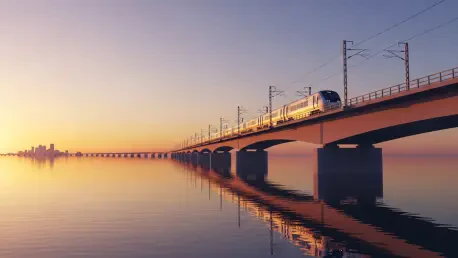

The traditional American road trip, once celebrated as the ultimate expression of personal freedom and spontaneity, has gradually transformed into a source of considerable psychological strain and logistical complexity for the modern family. Navigating high-density traffic corridors and managing the unpredictable costs associated with fuel and vehicle maintenance often consumes the mental energy intended for relaxation, effectively turning a getaway into a chore. By consciously deciding to abandon the steering wheel in favor of a no-driving mandate, travelers are discovering that the journey can serve as a restorative bridge rather than a taxing obstacle. This shift represents a broader movement toward mindful transit, where the act of moving between locations is no longer viewed as lost time but as an essential component of the holiday itself. As road congestion continues to intensify across major regional arteries, the appeal of stepping into a climate-controlled carriage becomes increasingly undeniable for those seeking true peace and mental clarity during their time away from the workplace.
Shifting From Highway Stress To Affordable Transit
Financial Realities: Evaluating Cost Efficiency
Transitioning to rail travel often begins with a sober realization regarding the escalating expenses associated with maintaining and operating a private vehicle over long distances. When accounting for the cumulative costs of gasoline, highway tolls, and the steep price of overnight parking in metropolitan centers, the train emerges as a fiscally superior alternative for domestic exploration. Modern booking platforms allow for dynamic pricing, enabling travelers to secure fares that are significantly lower than the price of a single tank of premium fuel or a short-haul flight. Furthermore, the elimination of hidden costs, such as the wear and tear on a vehicle’s tires and engine components, provides a predictable financial framework for the entire trip. This economic stability allows families to reallocate their vacation budgets toward high-quality dining and local experiences, rather than sinking capital into the logistics of mere movement. By removing the financial volatility of the pump, the rail system offers a transparent and accessible entry point for regional tourism.
Integrated Networks: The Power Of Predictable Logistics
The efficacy of a rail-based vacation is grounded in the seamless connectivity provided by regional infrastructure and its integration with local transit systems. Unlike the erratic nature of highway travel, where a single accident can delay a schedule by hours, express trains operate on reliable timelines that allow for precise planning and coordination. This reliability is further enhanced by multi-modal hubs that connect major rail lines with local buses, light rail systems, and metro networks, ensuring that the “last mile” of the journey is as effortless as the first. Such a structured approach to transit highlights an efficient system that bypasses the volatility of roadwork and seasonal congestion, providing a consistent pace that driving simply cannot match. For the traveler, this means the end of the constant vigilance required to navigate unfamiliar intersections or manage aggressive traffic. Instead, the focus shifts toward a structured, reliable progression through the landscape, where the arrival time is a known variable rather than a hopeful estimate.
Maximizing Personal Comfort And Regional Exploration
Onboard Environments: Prioritizing Passenger Wellbeing
Once the transition from the platform to the carriage is complete, the physical and psychological advantages of rail travel become immediately evident through the superior amenities provided. Unlike the cramped and high-vigilance environment of a driver’s seat, train passengers are treated to spacious, plush seating arrangements that offer ample legroom and the ability to move about freely during the trip. Modern carriages are equipped with dedicated workstations, high-speed 5G Wi-Fi, and universal power chargers, allowing individuals to engage in productive tasks or leisure activities without the distraction of steering. The absence of a steering wheel allows for a complete shift in focus, where the rhythmic movement of the train induces a state of relaxation that a car journey can never replicate. This environment encourages a mental “reset,” transforming the transit period into a luxury experience. Passengers can enjoy a hot beverage from the buffet car while watching the landscape unfold, effectively beginning their vacation the moment they step through the sliding doors.
Visual Landscapes: The Therapeutic Power Of The View
The aesthetic experience of traveling by rail offers a unique perspective on the natural world that is often obscured by the utilitarian design of major interstate highways. As the tracks wind through scenic coastal vistas, dense forest preserves, and winding river valleys, travelers are afforded a front-row seat to the region’s diverse topography without the danger of taking their eyes off the road. This visual stimulation serves as a form of passive therapy, grounding the traveler in the present moment and fostering a deeper appreciation for the geographical context of their destination. The large, panoramic windows of modern trains are designed to maximize this exposure, providing unobstructed views that are impossible to capture from the confines of a standard passenger vehicle. This connection to the environment reinforces the idea of “slow travel,” where the beauty of the passing terrain is as valuable as the destination itself. By engaging with the landscape in such an intimate way, the journey becomes a series of memorable moments rather than a blurry transit through asphalt and concrete.
Redefining The Future Of Regional Discovery
Urban Accessibility: Navigating Hubs Without A Vehicle
Arriving at a regional hub like Newcastle demonstrates the inherent advantages of a city designed for pedestrian accessibility and efficient public transport links. By utilizing local light rail systems and choosing accommodations situated near waterfront districts, visitors can experience the full spectrum of metropolitan amenities without the frantic pace of a capital city. This model of urban exploration encourages travelers to engage with their surroundings on foot, discovering hidden alleyways, local markets, and cultural landmarks that are typically bypassed by those searching for parking. The proximity of central stations to major hotels and entertainment precincts ensures that the transition from the train to the guest room is entirely stress-free and devoid of logistical hurdles. This balance between urban sophistication and a laid-back atmosphere validates the strategic choice to leave the car behind, favoring a more immersive and interactive way of experiencing a new environment. Such accessibility fosters a sense of belonging and ease that is often lost in the car-centric design of modern suburban sprawl.
Actionable Outcomes: The Legacy Of Slow Travel
The shift toward rail-based domestic tourism provided a clear blueprint for more sustainable and restorative travel habits that benefited both the individual and the environment. By removing the emotional and financial toll of driving, the rail system allowed travelers to arrive at their destinations feeling refreshed and ready to engage with local cultures rather than exhausted by the demands of the road. The successful integration of high-speed regional lines and local transit networks demonstrated that effective alternatives to the automotive status quo were not only possible but highly desirable. Stakeholders in the tourism industry recognized that promoting the journey as a luxury experience encouraged longer stays and higher engagement with regional businesses, particularly in the flourishing culinary and boutique retail sectors. Moving forward, the continued expansion of this infrastructure suggested that the most rewarding vacations were those that prioritized ease of movement over the speed of arrival. This transition ultimately redefined the standard for domestic exploration, proving that the future of travel lay in the quiet efficiency of the tracks rather than the noise of the highway.