
Midwestern destinations like French Lick, Indiana, are gaining popularity by integrating fall foliage into a centralized resort-based model featuring horseback riding and championship golf. This development marks a significant shift in the 2026 autumn travel landscape, where tourists are increasingly seeking all-inclusive experiences that combine natural beauty with luxury amenities. The current season has witnessed a remarkable surge in “leaf peeping” across the United States, driven by a collective desire for outdoor rejuvenation and high-fidelity nature photography. As the canopy transitions from lush greens to a fiery palette of crimson, orange, and gold, the competition for prime viewing spots has intensified, making strategic planning more critical than ever. Travelers are now utilizing sophisticated meteorological trackers and satellite data to pinpoint peak color windows, which can vary significantly based on microclimates and soil moisture levels. This data-driven approach allows visitors to maximize their time in the field, ensuring they capture the most vibrant displays before the inevitable arrival of winter. From the rugged peaks of the West to the historic valleys of the East, the 2026 season offers a diverse array of opportunities for those who appreciate the fleeting beauty of the deciduous cycle.
Strategic Alignment: Navigating the Seasonal Peak
The Adirondack Wilderness: New York’s Crimson Frontier
The Adirondack Mountains of New York have emerged as the premier destination for the 2026 season, offering an expansive wilderness that spans six million acres of protected land. This region is distinguished by its incredible topographic diversity, which includes forty-six high peaks and thousands of glacial lakes that create a multifaceted viewing experience. Because the park encompasses such a wide range of elevations, the foliage season is naturally extended; while the higher summits begin their transformation in early September, the valley floors often retain their brilliance well into October. Currently, the stands of sugar maples and American beech are producing a spectacular display of deep reds and burnished golds that are best viewed from the many shoreline trails around Lake Placid. The sheer scale of the Adirondacks ensures that even during peak weekends, travelers can find secluded spots to enjoy the quiet rustle of falling leaves, making it a top choice for those who value solitude alongside visual splendor.
Beyond the natural scenery, the Adirondack region has integrated its Olympic heritage into the autumn tourism model, providing a sophisticated infrastructure for seasonal visitors. Lake Placid and Lake George serve as central hubs where tourists can access high-end dining, historic tours, and unique vantage points such as hot air balloon excursions that offer a panoramic view of the forest floor. These communities have successfully balanced the preservation of their rustic charm with the demands of modern travelers, offering everything from boutique lodges to guided wilderness expeditions. The local economy thrives during this period, with agricultural festivals and cider tastings providing a cultural layer to the biological spectacle. For the 2026 traveler, the Adirondacks represent a perfect synthesis of rugged outdoor adventure and refined hospitality, ensuring that the journey into the wilderness does not require a sacrifice of comfort or convenience.
New England Traditionalism: From White Mountains to Vermont
New Hampshire’s White Mountains continue to be a cornerstone of the New England foliage experience, with Bretton Woods serving as a primary focal point for 2026. The region is utilizing its winter sports infrastructure to enhance the autumn season, specifically through the operation of the Skyway Gondola, which transports visitors to the summit for a bird’s-eye view of the Presidential Range. This elevated perspective allows for a comprehensive appreciation of the forest’s transition, as the varying shades of yellow and orange flow down the mountain slopes like a slow-moving river of color. Proximity to Franconia Notch State Park and the Flume Gorge provides additional opportunities for active exploration, where hikers can navigate boardwalks and stone stairs while surrounded by towering granite walls and vibrant deciduous growth. The integration of geological wonders with seasonal foliage makes the White Mountains a versatile destination for those who seek more than just roadside overlooks.
In contrast to the rugged terrain of New Hampshire, Stowe, Vermont, offers the quintessential “postcard-perfect” village aesthetic that has defined the American autumn for generations. The iconic white-steepled church set against the backdrop of the Green Mountains remains one of the most photographed scenes in the country, drawing a diverse demographic of international and domestic tourists. Stowe has adapted to its high-demand status by diversifying its activity offerings, ranging from high-speed zipline adventures through the canopy to low-impact walks along the paved Stowe Recreation Path. This flexibility ensures that the village remains accessible to families and serious adventurers alike, though the extreme popularity of the locale requires reservations to be made several months in advance. The 2026 season in Vermont is characterized by this blend of traditional charm and modern activity management, maintaining the state’s reputation as the heart of the “leaf peeping” phenomenon.
Cultural Corridors: Heritage and the Coastal Canopy
Historic Pathways: Pennsylvania’s Bridges and Michigan’s Roadways
Bucks County, Pennsylvania, provides a unique heritage-based approach to the 2026 foliage season, centering its appeal on its collection of twelve surviving historic covered bridges. These architectural landmarks serve as the focal points for self-guided driving tours that meander through the county’s rolling hills and well-preserved farmland. The “slow travel” movement has found a natural home here, as visitors are encouraged to bypass high-speed highways in favor of winding country roads that offer intimate views of the changing oak and hickory forests. The New Hope Railroad further enhances this nostalgic atmosphere, operating vintage steam and diesel locomotives that pull passengers through the picturesque landscape. These rail excursions provide a curated viewing platform, allowing travelers to focus entirely on the scenery and the historical commentary without the stresses of navigation. This focus on preservation and heritage makes Bucks County a standout destination for those interested in the intersection of American history and natural beauty.
Further west, Michigan’s M-119 route, famously known as the “Tunnel of Trees,” offers one of the most immersive driving experiences in the Great Lakes region. Stretching from Harbor Springs to Cross Village, this narrow road is defined by a dense overhead canopy of hardwoods that creates a literal tunnel of vibrant foliage. The 2026 season has been particularly striking along this corridor, as the brilliant oranges of the maples are frequently framed by the deep, crystalline blue of Lake Michigan’s horizon. This coastal influence creates a unique microclimate that often keeps the colors vibrant for a longer duration than inland forests. Travelers along the M-119 often stop at local landmarks like Legs Inn, which provides a blend of Polish-American culture and panoramic views of the lake. The Tunnel of Trees represents the ultimate scenic road trip, where the journey itself is the destination and every turn provides a new perspective on the intersection of forest and water.
Artistic Landscapes: The Berkshires and the Slow Travel Trend
The Berkshires in Western Massachusetts offer a sophisticated cultural experience where the natural environment serves as a vibrant backdrop for the arts. This region has long been a haven for writers, musicians, and painters, and the 2026 autumn season continues this tradition by pairing foliage tours with gallery openings and literary festivals. Towns such as Lenox and Stockbridge are currently bustling with visitors who spend their mornings hiking the trails of Mount Greylock and their afternoons exploring the historic homes of famous authors. The Mohawk Trail, one of the first designated scenic drives in the country, provides an essential link between these cultural hubs, offering numerous overlooks that showcase the valley’s transformation. This “lifestyle” approach to autumn travel appeals to those who wish to engage their intellect as much as their senses, reflecting a growing trend where vacationers seek out destinations that offer a high density of both natural and man-made attractions.
The rise of the “slow travel” trend in 2026 has significantly influenced how regions like the Berkshires manage their seasonal influx. Instead of rushing through multiple states to see as many trees as possible, modern travelers are opting for longer stays in a single location, allowing them to truly connect with the local community and ecosystem. This shift has led to an increased interest in sustainable tourism practices, such as utilizing local shuttle services and supporting farm-to-table dining initiatives that highlight the region’s agricultural bounty. By focusing on quality over quantity, visitors are finding that their experiences are more meaningful and less stressful. The Berkshires’ ability to provide a diverse array of activities within a relatively small geographic area makes it an ideal model for this new way of traveling. Whether attending a performance at Tanglewood or cider pressing at a local orchard, the emphasis remains on the deep appreciation of the current moment and the surrounding environment.
Western Horizons: Gold Peaks and Regional Retreats
High-Altitude Spectacles: Aspen and Tahoe’s Golden Groves
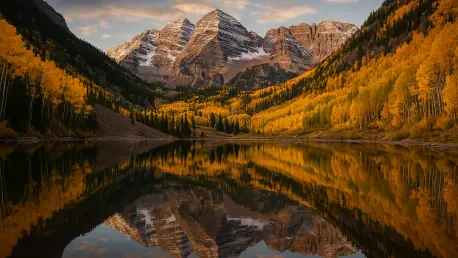
Aspen, Colorado, remains the gold standard for high-altitude foliage, though its aesthetic is markedly different from the multi-hued forests of the East Coast. Here, the focus is almost exclusively on the quaking aspen trees, which turn a singular, brilliant shade of gold that appears to glow against the dark evergreens and gray limestone of the Rocky Mountains. The 2026 season has seen the continued implementation of strict reservation systems at the Maroon Bells, a move necessitated by the area’s immense popularity and the need to protect the fragile alpine tundra. This management strategy has been widely praised for improving the visitor experience, as it prevents overcrowding and allows for a more tranquil connection with the landscape. Beyond the famous peaks, the nearby Ashcroft ghost town offers a hauntingly beautiful setting for photography, where the golden leaves frame the weathered wood of nineteenth-century silver mining buildings, adding a layer of historical depth to the natural display.
In the Sierra Nevada, North Lake Tahoe has established itself as a premier destination for those seeking a contrast between alpine water and autumnal color. The 2026 foliage season in this region is characterized by the vibrant yellow of the aspen groves that line the shores of Spooner Lake and the surrounding hiking trails. This destination is particularly appealing during the “shoulder season,” as the summer crowds have dispersed and the winter ski enthusiasts have yet to arrive, offering a peaceful window for exploration. The crisp mountain air and the deep blue of the lake provide a stunning backdrop for the golden trees, creating a color palette that is unique to the high deserts and mountains of the West. Tahoe’s commitment to environmental stewardship is evident in its well-maintained trail systems and educational programs, which encourage visitors to practice “Leave No Trace” principles while enjoying the seasonal beauty. For the Western traveler, North Lake Tahoe offers a serene and ecologically conscious alternative to the traditional foliage routes.
Cascading Colors: The Columbia River and Midwestern Hubs
The Columbia River Gorge, straddling the border between Washington and Oregon, offers a dramatic geological setting for autumn viewing that is unmatched in its scale. This eighty-mile-long canyon is famous for its basalt cliffs and high density of waterfalls, which are currently framed by the golden hues of Bigleaf maples and Western larches. The 620-foot Multnomah Falls remains the most iconic site in the Gorge, where the mist from the falling water creates a vibrant, moist environment that keeps the surrounding foliage lush and colorful. The region is also a leader in “agritourism,” with the Hood River “Fruit Loop” providing a thirty-five-mile circuit of orchards and vineyards where visitors can pick their own apples and sample local ciders. This integration of the harvest season with the natural foliage cycle creates a multi-sensory experience that appeals to a wide range of interests, making the Pacific Northwest a critical stop for any comprehensive 2026 autumn itinerary.
Returning to the Midwest, the 2026 season highlights the rising prominence of centralized retreats, with French Lick, Indiana, leading the way. The historic French Lick Resort serves as a hub for family-friendly activities that are seamlessly integrated into the surrounding forest landscape. Rather than a nomadic road trip, many travelers are choosing this model to enjoy the scenery through horseback riding, championship golf, or vintage rail tours on the French Lick Scenic Railway. The rolling hills of Southern Indiana offer a diverse mix of hardwoods that produce a rich tapestry of colors, often peaking later than the northern states and providing a final flourish to the national foliage season. This resort-based approach reflects a preference for stability and curated experiences, where the beauty of autumn is paired with consistent service and a wide array of recreational options. French Lick proves that the heartland offers a competitive and highly accessible alternative to the more traditional coastal destinations.
Strategic Outlook: Future Considerations for Autumn Travel
The 2026 fall foliage season served as a clear indicator of the evolving priorities within the American travel industry. It was observed that the most successful destinations were those that successfully balanced high-volume tourism with environmental preservation through the use of reservation systems and advanced planning tools. Travelers moved away from spontaneous trips in favor of data-driven itineraries, ensuring they were present for the precise moment of peak color in their chosen regions. The integration of local heritage, artistic culture, and agricultural products into the “leaf peeping” experience demonstrated that modern tourists were looking for depth and context alongside visual beauty. Furthermore, the rise of the “slow travel” movement suggested a long-term shift toward more sustainable and meaningful engagement with natural landscapes.
As the industry looks toward the 2027 season, the emphasis will likely remain on enhancing the technological infrastructure that supports seasonal travel. This includes the development of more accurate predictive modeling for foliage changes and the expansion of digital permit systems to manage foot traffic in sensitive ecosystems. Stakeholders in the tourism sector have recognized that the fleeting nature of autumn colors requires a robust and flexible logistical framework to satisfy consumer demand while protecting the resource itself. For the proactive traveler, the key takeaway from the current year was the necessity of early engagement with destination management and a willingness to explore emerging hubs like those in the Midwest and Pacific Northwest. These insights provided a stable foundation for the continued growth and professionalization of the autumn tourism market across North America.