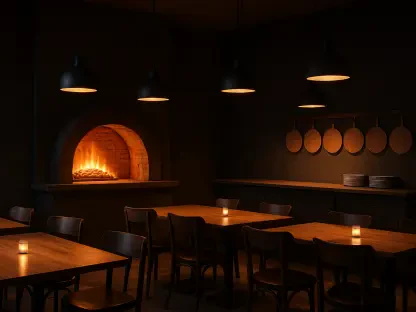

The modern map of global exploration is being redrawn by travelers who find that the most profound connections to a destination occur after the summer throngs have finally retreated to their homes. This intentional movement away from the traditional peak-season rush is not merely a matter of cost-saving; it represents a fundamental pivot toward quality over quantity. By prioritizing the depths of local culture during quieter months, sophisticated explorers are discovering that iconic landmarks and historic cities offer a far more nuanced narrative when the background noise of mass tourism is silenced.
Rethinking the Calendar: The Shift Toward Intentional Tourism
The traditional travel map is undergoing a fundamental transformation as savvy explorers move away from the sweltering, crowded mid-summer rush. Major cultural hubs like Spain, Japan, and Croatia are being reimagined not as seasonal peaks, but as year-round landscapes where the off-season offers the most authentic engagement. This shift marks a move toward slow travel, prioritizing personal comfort and cultural depth over the checklist-style tourism that dominates peak months. By examining how these destinations function outside of their busiest windows, one can uncover a more sustainable and rewarding way to experience the world’s most iconic landmarks.
Industry analysts observe that this trend is driven by a desire for a more intimate relationship with geography. In 2026, the concept of the “bucket list” has been replaced by a quest for atmospheric resonance, where the goal is to feel the heartbeat of a city rather than just seeing its skyline. This necessitates a change in how one views the calendar, treating the winter or autumn months as a canvas for discovery rather than a period of hibernation. As global temperatures continue to fluctuate, the appeal of cooler, more manageable climates in traditionally hot regions has never been higher.
Deconstructing the Mechanics of Off-Peak Discovery
The mechanics of traveling during the off-season require a sophisticated understanding of how local infrastructure adapts to lower visitor volumes. While the immediate benefit is the absence of long queues and crowded public spaces, the true value lies in the restoration of a city’s original rhythm. Without the pressure of accommodating millions of transient visitors, local businesses and cultural institutions often return to a more personal mode of operation. This creates a fertile ground for travelers to engage in meaningful dialogue with residents and gain access to experiences that are otherwise obscured by the logistics of peak demand.
However, navigating these periods successfully involves more than just arriving when others leave. It requires a strategic approach to local event calendars and weather patterns. The off-season is rarely a monolith of inactivity; rather, it is a period of localized vitality that often excludes the traditional tourist gaze. Understanding the ebb and flow of these minor seasons allows for a more tailored itinerary that balances the peace of solitude with the vibrancy of authentic local life.
Reclaiming the Mediterranean: Navigating the Cultural Allure of Spain and Croatia
The off-season effectively returns historic centers like Seville and Dubrovnik to their residents, allowing visitors to experience these open-air museums without the typical logistical friction. Data suggests that while Mediterranean temperatures drop, the ability to engage in extensive walking tours increases significantly, though travelers must remain wary of festival spikes like Holy Week that temporarily reverse the off-season benefits. The primary challenge here lies in balancing the desire for solitude with the reality of localized events that can cause sudden surges in both density and pricing.
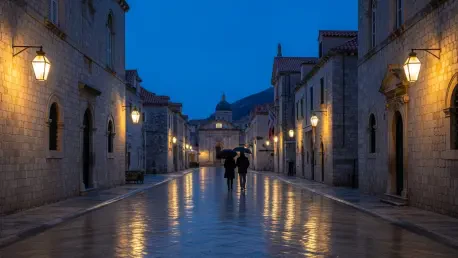
In Croatia, the transition to autumn and winter brings a different perspective to the Adriatic coast. The limestone streets of Dubrovnik’s Old City, usually packed with cruise ship passengers, regain their reflective quality. Culinary enthusiasts point to the Good Food Festival as a prime example of how the off-season highlights regional gastronomy in a community-oriented setting. This period allows for a deeper appreciation of the architectural legacy of the Rector’s Palace and the city walls, which can be explored at a leisurely pace that is impossible during the summer months.
Spiritual Solitude and Exclusive Access in Japan’s Winter Landscape
While Kyoto is famous for its spring blossoms, the winter months introduce a unique program of Winter Special Openings that provide rare public access to restricted temple grounds and Zen gardens. This period fosters a reflective environment that aligns with Japanese aesthetics, moving beyond the visual spectacle of autumn leaves to a deeper, more atmospheric appreciation of historical architecture. However, this shift requires travelers to accept shorter daylight hours and a more subdued city rhythm in exchange for unparalleled access to sites like Kodai-ji and Ninna-ji.
Experts in Japanese culture suggest that the cold air provides a clarity that enhances the sensory experience of traditional architecture. The silence of a temple garden under a light dusting of snow offers a level of spiritual resonance that is often lost during the bustling cherry blossom season. For the strategic traveler, this is the time to prioritize indoor activities such as tea ceremonies and calligraphy workshops, which feel more authentic when conducted away from the performative nature of peak-season tourism.
The Rise of Climate Resiliency and Year-Round Vitality in Portugal and Malta
In regions like Madeira and the Maltese archipelago, the concept of a dead season is a misnomer due to temperate climates that support outdoor exploration 365 days a year. These destinations are benefiting from the coolcationing trend, where travelers seek out mild winters to enjoy UNESCO-listed forests and ancient fortifications without the physical toll of extreme summer humidity. This trend challenges the assumption that sun-drenched islands are only viable in the summer, highlighting a shift toward active, historical exploration over traditional beach-centric vacations.
Malta, with its 7,000 years of history, becomes a playground for archaeology buffs during the cooler months. The lack of intense heat makes the trek through the steep streets of Valletta or the exploration of the Ħaġar Qim temples a physical pleasure rather than an endurance test. Similarly, Madeira’s levada trails offer solitary paths through prehistoric laurel forests, providing a connection to nature that remains vibrant regardless of the month. These islands prove that geographical consistency is a significant asset for those looking to escape the unpredictability of northern winters.
Navigating Logistical Trade-offs and the Authenticity Premium
A critical but often overlooked facet of strategic travel is the necessity of logistical flexibility, as reduced tourist volumes often result in scaled-back transit schedules and ferry routes. While the authenticity premium allows for more personalized interactions with local vendors and guides, it also demands a higher degree of pre-trip verification to avoid service gaps. This section explores the tension between the increased quality of the cultural experience and the decrease in high-frequency amenities, suggesting that the modern traveler must trade convenience for character.
The reduction in services can actually be a boon for those willing to adapt, as it forces a slower pace of travel that encourages deeper immersion in a single location. Instead of rushing between islands or cities on a high-speed schedule, one is invited to stay longer and observe the finer details of daily life. This trade-off often leads to the discovery of local haunts and family-run establishments that might be overlooked during the frantic pace of the high season, ultimately resulting in a more enriched and memorable journey.
Tactical Frameworks for Maximizing Your Off-Season Itinerary
The most impactful takeaway for the modern traveler is that the quality of a journey is often inversely proportional to the crowd density. To apply this knowledge effectively, visitors should prioritize indoor-outdoor flexibility, maintaining a list of galleries or historical archives to pivot to during unpredictable weather. Success in these regions depends on a mindset that views cooler temperatures as an asset for physical exploration and a commitment to verifying local operational hours in advance to ensure a seamless experience.
Furthermore, building a flexible itinerary means embracing the spontaneity that the off-season facilitates. With fewer bookings required months in advance, it becomes possible to follow local recommendations or linger in a particularly captivating village. This tactical freedom is perhaps the greatest luxury of off-peak travel, allowing the destination to dictate the pace of the trip rather than a rigid set of reservations.
The Future of Global Sightseeing: Prioritizing Depth Over Timing
The ongoing evolution of these premier destinations proved that the most famous corners of the globe were best understood when the noise of mass tourism faded. Sophisticated explorers recognized that the off-season was not a compromise but a deliberate choice to engage with the world on a deeper level. They adopted strategies that prioritized climate-resilient locations and culturally rich programs, such as the winter openings in Kyoto or the food festivals of Croatia. This approach shifted the focus from merely checking boxes to cultivating a profound, unhurried connection with living history.
To build upon these insights, future travelers began to look beyond the weather forecast, focusing instead on the cultural and logistical advantages of quieter windows. They utilized digital tools to monitor real-time opening hours and ferry schedules, ensuring that the reduction in service frequency did not impede their movement. By choosing the off-season, individuals reclaimed their agency over the travel experience, transforming standard vacations into meaningful explorations. Ultimately, the success of these journeys was defined by the quality of the interactions and the clarity of the memories formed in the absence of crowds.