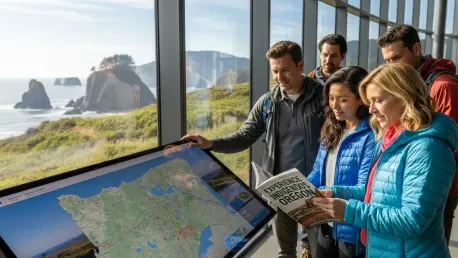

The recent unveiling of the “Experience Indigenous Oregon” guide by state tourism officials represents a fundamental shift in how travelers are invited to engage with the ancestral homelands of the region’s nine federally recognized Tribes. Replacing the previous “Oregon Guide to Indian Country,” this comprehensive resource acts as a bridge between the visiting public and the communities that have stewarded these lands for millennia. By shifting the focus toward self-representation and tribal-led narratives, the initiative ensures that Indigenous voices remain at the center of the conversation regarding their history and traditions. This shift is essential for modern tourism, moving beyond superficial sightseeing to foster an environment where cultural vitality and land stewardship are prioritized.
The initiative explores why these collaborative best practices are vital for modern tourism and outlines the core themes—from historical resilience to economic vitality—covered within this landmark document. By prioritizing the perspectives of the first peoples, the guide provides a roadmap for authentic engagement that respects the sovereignty of each nation. This approach not only enriches the traveler experience but also protects the cultural heritage that defines the region.
The Importance of Following Respectful Tourism Best Practices
Adopting a standardized approach to Indigenous tourism is vital for maintaining the integrity of sacred spaces and the dignity of tribal residents. When travelers follow established protocols, they contribute to a relationship built on mutual respect rather than extraction or exploitation. This professional framework ensures that the intersection of public interest and private tradition is managed with care.
Enhanced cultural security is a primary benefit of this approach. Proper engagement frameworks ensure that sensitive ceremonies and private traditions remain protected from intrusive observation, allowing Tribes to maintain their cultural privacy. Moreover, following these guidelines directs vital tourism revenue toward tribal-owned businesses, which directly supports the economic self-sufficiency of the communities. This structured approach also combats the spread of misinformation by replacing stereotypical tropes with nuanced, historical truths that reflect the lived experiences of the first peoples.
Best Practices for Engaging with Indigenous Communities
To ensure a meaningful and ethical visit, travelers and tourism operators should implement specific actionable steps that align with the goals of the new regional framework. These practices are designed to move the industry toward a model of partnership and sustainability.
Prioritize Self-Represented Narratives and Tribal Expertise
One of the most effective ways to engage ethically with Indigenous history is to seek information curated directly by the Tribes. This practice guarantees that the stories being shared are authorized by community leaders rather than being filtered through a third-party perspective. Seeking out tribal expertise ensures that the cultural context remains accurate and honors the intellectual property of the community.
At the Tamástslikt Cultural Institute, the Confederated Tribes of the Umatilla Indian Reservation provide a narrative of their past, present, and future. Visitors who engage here rather than through third-party sources receive a direct, unfiltered education on tribal resilience. This choice illustrates the impact of opting for tribal-led institutions over external observations, ensuring that the economic and social benefits of storytelling remain within the community.
Practice Responsible Stewardship of Sacred Lands
Responsible stewardship involves treating the natural environment as both an ecological resource and a spiritual landscape. This mindset requires visitors to look beyond the physical beauty of a landmark to understand its deep ancestral connections. By viewing the land through an Indigenous lens, travelers can develop a more profound appreciation for the conservation efforts that have protected these areas for generations.
The guide reimagines the Columbia River Gorge not just as a hiking destination, but as a site of profound spiritual significance and traditional fishing rights. By observing local signage and respecting seasonal closures for traditional practices, visitors participate in a real-world example of land stewardship that honors both the environment and Indigenous sovereignty. This approach transforms a simple outdoor excursion into an act of respect for the long-standing relationship between the people and their environment.
Support Tribal Sovereignty Through Conscious Spending
Directing travel budgets toward tribal-owned enterprises, including museums, casinos, and festivals, supports the economic infrastructure that allows Tribes to maintain their cultural heritage programs. Conscious spending is a tangible way for visitors to contribute to the prosperity of the sovereign nations they visit. It ensures that the benefits of tourism are distributed equitably and reach the people whose culture is being celebrated.
Attending public events like the Siletz Annual Indian Festival allows visitors to witness living traditions firsthand while contributing to the local tribal economy. This engagement demonstrates how respectful participation in public celebrations can serve as an entry point for deeper cultural understanding and economic support. By prioritizing these venues, travelers help sustain the cultural festivals that are vital to the community’s social fabric.
Final Evaluation and Recommendations
The “Experience Indigenous Oregon” guide established a masterclass in how state agencies and Indigenous nations could collaborate to create a more inclusive tourism landscape. It successfully balanced the high demand for ethical travel with the urgent need for economic growth and cultural preservation. Educated travelers seeking more than superficial sightseeing found the depth of the guide invaluable for planning respectful itineraries. Tourism professionals also utilized the framework to ensure their business practices aligned with state-wide ethics and specific tribal expectations, creating a more cohesive and respectful industry.
The structured approach ensured that tourism remained a benefit rather than a burden to tribal residents throughout the region. Before visiting any tribal lands or cultural sites, individuals were encouraged to review the digital protocols for each of the nine Tribes to ensure compliance with local customs. This move toward a deeper, more responsible relationship with the Pacific Northwest’s heritage set a new standard for cultural exchange. The adoption of these practices promoted a tourism model where visitors and hosts interacted with dignity, ensuring the long-term sustainability of the state’s rich cultural tapestry.