
The rugged coastline of the Southern Atlantic is currently witnessing a transformation that blends environmental stewardship with high-value travel. Uruguay’s Atlantic corridor project demonstrates how a nation can leverage biodiversity to create a resilient economy while adhering to strict environmental protection laws. This initiative, officially inaugurated as the Marine Wildlife Route, represents a sophisticated pivot in the way South American nations manage their coastal resources during the colder months. Historically, the Atlantic coastline experienced a dramatic drop in economic activity following the summer season, leaving local infrastructure underutilized for nearly half the year. However, by focusing on the majestic migration patterns of the southern right whale and other aquatic species, the country has successfully rebranded its shorelines as a premier destination for ecological observation. This transition focuses on the intrinsic value of the natural environment, moving away from high-impact development toward a model that prioritizes conservation. The project has effectively transformed the Rocha and Maldonado regions into a sanctuary for both wildlife and high-value travelers.
Structural Framework of the Atlantic Corridor
Strategic Hubs: Connecting Maldonado and Rocha
The geographical scope of this project covers more than 180 kilometers of pristine coastline, connecting various strategic hubs that offer prime viewing conditions for diverse marine life. In the area of La Paloma, specialized platforms such as the “Cola de Ballena” have been strategically positioned to offer panoramic views of shallow bays where whales often congregate to rest. These locations were chosen based on historical migration data and acoustic studies to ensure that human presence remains non-intrusive. Further north, the Cerro Verde protected area provides a different perspective, utilizing natural elevations and constructed viewpoints situated high above sea level. These vantage points allow visitors to track the movement of smaller species like green turtles and pods of dolphins as they navigate the surf. By creating a continuous chain of observation sites, the route encourages travelers to explore the varied landscapes of the coast while maintaining a safe distance from sensitive marine habitats.
Beyond just whales, the corridor serves as a sanctuary for a myriad of species that thrive in the nutrient-rich waters of the Atlantic. The design of each hub incorporates natural camouflage and noise-dampening materials to prevent the disruption of local fauna. This planning process involved extensive collaboration between marine biologists and urban planners to identify the specific zones where marine activity is most frequent. For instance, the viewpoints in Rocha are specifically designed to capitalize on the deep-water channels that bring large mammals closer to the shore. This layout ensures that enthusiasts do not need to rely on marine vessels to experience close encounters with wildlife. By centralizing observation in these specific hubs, the government has also simplified the process of managing tourist flow, preventing the overcrowding of delicate ecosystems. The result is a seamless integration of human curiosity and environmental protection that serves as a global model for sustainable tourism management.
Technological Tools: Enhancing the Visitor Experience
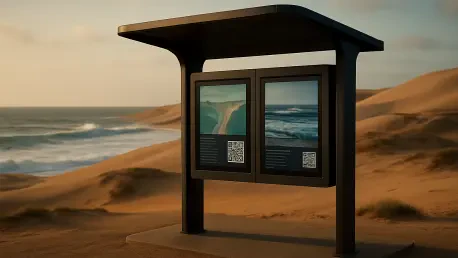
The physical infrastructure of the Marine Wildlife Route is built to withstand the harsh Atlantic climate, using marine-resistant seating and weather-shielded interpretive stations. These structures are not merely functional but educational, featuring detailed signage that provides data on migration patterns and species identification. The integration of high-durability materials ensures that the platforms remain safe and accessible for years to come, despite the corrosive effects of sea salt and high winds. This focus on physical longevity is complemented by a minimalist design aesthetic that blends into the coastal cliffs and dunes. Furthermore, the construction of these sites utilized sustainable building practices, minimizing the carbon footprint associated with the project’s development. Every platform serves as a classroom, offering insights into the complex life cycles of the creatures that pass by the Uruguayan coast. This physical foundation is essential for fostering a deep sense of environmental responsibility among both local residents and international visitors.
In addition to physical structures, the project has introduced a layer of digital connectivity that enhances the traditional observation experience. Visitors can now interact with QR codes placed at each station to access real-time migration tracking and interactive educational content on their mobile devices. This digital integration allows for a dynamic update of information, reflecting changes in wildlife behavior or environmental conditions as they happen. It also enables the collection of citizen science data, where tourists can upload their own sightings to a centralized database monitored by conservationists. This approach bridges the gap between passive observation and active participation in marine research. Looking forward, the route plans to incorporate augmented reality features that provide 3D visualizations of underwater behaviors, further enriching the educational aspect of the tour. This blend of physical and digital tools ensures the route remains relevant for a modern, tech-savvy generation of travelers.
Economic Sustainability and Environmental Stewardship
Local Impacts: Revitalizing the Rocha Economy
The launch of the Marine Wildlife Route has provided a significant boost to the economy of the Rocha region, which had previously struggled with a decline in long-term visitor stays. While the summer months remain profitable, the introduction of this corridor has successfully extended the tourism season from July into late October. This shift has created a more stable income stream for local hospitality businesses and family-run eateries that often closed during the winter. By attracting a niche market of nature photographers and eco-tourists, the region has seen an increase in per-diem spending, as these visitors often prioritize high-quality, local experiences. This economic diversification is crucial for building resilience against global travel fluctuations and changing climate patterns. The project has also encouraged the development of specialized services, such as guided ecological tours and wildlife photography workshops. These new business opportunities have rejuvenated coastal towns, preventing off-season economic stagnation.
Furthermore, the economic benefits of the route extend beyond the immediate tourism sector, revitalizing local supply chains and artisanal industries. Coastal communities have seen a resurgence in the demand for traditional crafts and regional culinary products, such as seaweed-based delicacies and local seafood. This holistic economic approach ensures that the wealth generated by the Marine Wildlife Route is distributed across various segments of society. Local governments have reinvested the increased tax revenue into coastal maintenance and public services, creating a positive feedback loop of growth and preservation. The success of this model has proven that conservation can be a powerful engine for economic development rather than a hindrance. It has shifted the local mindset from viewing the ocean solely as a resource for extraction to seeing it as a valuable asset for sustainable recreation. As the route continues to gain international recognition, the projected growth for the regional economy remains strong.
Conservation Standards: A Roadmap for Resilience
The project’s sustainability was anchored in the strict legal frameworks that designated Uruguay’s territorial waters as a Whale and Dolphin Sanctuary. These regulations prohibited any activity that could harass or endanger marine mammals, placing a strong emphasis on land-based observation over invasive boat tours. By utilizing elevated platforms, the route minimized acoustic pollution, which was known to disrupt the communication and navigation of southern right whales. This legal protection extended to the preservation of coastal habitats, ensuring that the entire ecosystem remained healthy enough to support diverse species. Conservationists monitored these areas with advanced tracking technology to maintain the integrity of the sanctuary against unauthorized interference. This legal foundation proved essential for the route’s success, as it guaranteed a safe environment for nursing calves and their mothers. The alignment of tourism with environmental laws created a stable model for ecological management that other nations began to emulate.
In the final assessment, the Marine Wildlife Route functioned as a critical roadmap for achieving economic resilience through biodiversity. Authorities successfully integrated digital tools and physical infrastructure to create a seamless educational experience for travelers. Actionable steps were taken to expand the network of observation hubs, ensuring that the benefits of tourism reached every corner of the Atlantic coast. The project provided local communities with the necessary training to transition into sustainable service roles, securing a future where conservation and growth coexisted. By prioritizing long-term ecological health over short-term summer profits, the initiative demonstrated that a nation could effectively leverage its natural assets. This strategic corridor preserved the coastal heritage for future generations, while offering a clear path forward for sustainable travel in the region. The lessons learned from this project established a new gold standard for passive nature observation, proving that responsible management was the key to unlocking the economic potential of the natural world.