
Katarina Railko brings a wealth of expertise to the table as a seasoned hospitality professional with a deep-rooted passion for the travel and tourism sector. Her career has been defined by a keen eye for detail in guest experiences and a specialized focus on how large-scale events and maritime operations revitalize local economies. As the cruise industry pivots toward a more sustainable and immersive future, Katarina offers a unique perspective on the intersection of luxury travel and environmental stewardship, particularly within the breathtaking landscapes of the Pacific Northwest.
In this discussion, we explore the multifaceted relationship between major cruise lines and their host cities, examining the significant financial contributions that each ship visit brings to local businesses and infrastructure. We delve into the operational complexities of managing thousands of passengers while adhering to strict environmental protocols in sensitive regions like the Inside Passage. Furthermore, the conversation highlights the evolution of traveler expectations, the strategic importance of Vancouver as a gateway to Alaska, and the upcoming debut of innovative vessels that are set to redefine the competitive maritime landscape.
With each ship visit generating roughly $3 million for the local economy, how do cities like Vancouver prepare for a surge of 360 annual calls? What specific industries, beyond hospitality, feel the most immediate impact from such a massive influx of international travelers?
Preparing for a staggering 360 cruise ship calls a year requires a masterclass in urban logistics and multi-agency coordination. For a city like Vancouver, this influx is not just about managing crowds at the pier; it is about ensuring that the entire city’s infrastructure—from transit systems to supply chains—can absorb thousands of people in a single afternoon. Beyond the obvious windfall for hotels and restaurants, the maritime support sector feels the most immediate surge, as these massive vessels require refueling, provisioning with local produce, and specialized technical maintenance while in port. Local artisans and boutique retailers also see a significant lift, as the 2,700 passengers coming off a ship like the Brilliant Lady are often seeking high-quality, authentic Pacific Northwest goods rather than generic souvenirs. You can almost feel the city’s pulse quicken on “three-ship days,” where the combined economic activity ripples through the community, supporting thousands of local jobs and reinforcing Vancouver’s status as a premier global hub.
How do cruise lines balance the logistics of carrying 2,700 passengers with modern sustainability goals like waste reduction and energy conservation? In what ways does operating in sensitive regions like the Inside Passage require specialized environmental protocols compared to other global routes?
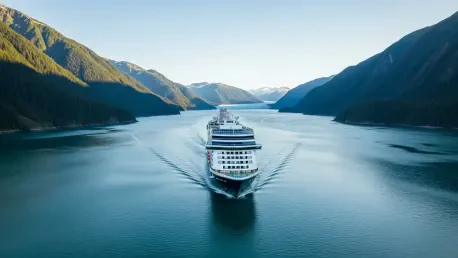
Balancing the needs of 2,700 passengers with a commitment to the environment is an intricate dance that starts long before the ship even leaves the dock. Modern vessels are now essentially floating smart cities, utilizing advanced filtration systems and energy-efficient lighting to drastically reduce their carbon footprint. When navigating the Inside Passage, the stakes are even higher because you are moving through a delicate ecosystem of glaciers and diverse wildlife that is sensitive to noise and emissions. This requires a step-by-step operational protocol where crews monitor waste management with extreme precision, often exceeding international standards to ensure that nothing is discharged into these pristine waters. The air you breathe on deck and the water used throughout the ship are part of a closed-loop philosophy that aligns with Vancouver’s own vision for eco-friendly tourism and cultural preservation.
Navigating the Inside Passage offers unique access to glaciers and wildlife that standard cruises might miss. What goes into designing an itinerary that blends urban culture in the Pacific Northwest with remote wilderness, and how has the modern traveler’s expectation for immersive travel evolved?
Designing an itinerary for a ship like the Brilliant Lady involves a careful curation of “the best of both worlds,” bridging the gap between cosmopolitan sophistication and the raw, untamed beauty of Alaska. Today’s traveler is no longer satisfied with just looking at a glacier from a distance; they want to hear the thunderous crack of the ice and understand the history of the coastal communities they visit. We look at the journey through the Inside Passage as a narrative arc that begins with the vibrant, multicultural energy of Vancouver and slowly transitions into a quiet, awe-inspiring communion with nature. This shift toward immersive travel means we prioritize shore excursions that offer deep dives into local traditions and wildlife photography, ensuring that the experience feels personal and transformative rather than transactional. The scent of the salt air and the sight of a whale breaching against a backdrop of ancient evergreens create sensory memories that far outlast the duration of the cruise itself.
Vancouver is positioning itself as a primary gateway for innovative, eco-friendly cruise experiences heading to Alaska. What infrastructure upgrades are necessary for ports to host advanced vessels like the Brilliant Lady, and how does this partnership shift the competitive landscape for other West Coast maritime hubs?
To host a cutting-edge vessel like the Brilliant Lady, a port must evolve far beyond a simple concrete pier; it needs to provide shore power capabilities and advanced waste processing facilities that match the ship’s own high-tech systems. The Vancouver Fraser Port Authority has been a frontrunner in this regard, investing in infrastructure that allows ships to turn off their engines while docked, which significantly reduces local air emissions. This commitment to green technology creates a massive competitive advantage, as environmentally conscious cruise lines are more likely to choose hubs that align with their own sustainability goals. By establishing this partnership, Vancouver effectively raises the bar for other West Coast ports, forcing a region-wide shift toward more responsible maritime practices. It’s a bold move that not only protects the natural beauty of the region but also secures Vancouver’s role as the indispensable starting point for the next generation of luxury Alaskan voyages.
What is your forecast for the future of sustainable luxury cruising in the Pacific Northwest?
I believe we are entering a “golden era” of maritime travel where sustainability and luxury are no longer viewed as opposing forces but as two sides of the same coin. By 2026, when the Brilliant Lady begins her regular summer seasons, I forecast that we will see a significant shift in passenger demographics, with a younger, more eco-conscious audience driving demand for cruises that prioritize environmental integrity. We will likely see even more “zero-waste” initiatives and a move toward hybrid or alternative fuel sources becoming the industry standard for ships entering the sensitive waters of Alaska. The Pacific Northwest will lead this global trend, proving that you can deliver a world-class, high-end vacation experience while simultaneously acting as a guardian for the planet’s most spectacular wilderness regions. As ports and cruise lines continue to innovate together, the journey will become as meaningful as the destination, fostering a deeper respect for the oceans we traverse.