
The global tourism landscape has transformed into a high-stakes environment where the simple act of booking a international flight now requires the strategic precision of a corporate merger. As travelers navigate this complex terrain, the distinction between a standard vacation and a premium expedition has blurred, driven by a global economy that prizes exclusivity and infrastructure over mass accessibility. High-cost travel is no longer just a byproduct of luxury choices but a reflection of systemic economic shifts, where currency strength and labor markets dictate the price of entry into the world’s most coveted locales.
Understanding these financial dynamics is essential for anyone seeking to explore the world without compromising on the quality of the experience. This significance stems from a growing trend where destinations are intentionally pivoting toward high-value, low-impact tourism to preserve their cultural and natural heritage. Consequently, the fiscal barrier to entry in certain regions has risen, making it vital to analyze where these costs originate and how they influence the overall journey. This article will explore the specific regions and economic factors that define the most expensive destinations currently dominating the market, offering a roadmap for navigating the high-end travel sector.
The Shifting Economics of Global Premium Tourism
In the current economic climate, the primary subject of analysis remains the identification of countries where the cost of visitation—comprising accommodation, dining, transport, and activities—stays at a premium level. The overarching trend indicates that high travel costs are rarely the result of a single factor; instead, they emerge from a combination of robust local currencies, elevated standards of living, and a focus on specialized service offerings. Economic data from various international tourism authorities suggest a clear consensus that the most expensive destinations are those providing high-quality infrastructure and sophisticated urban experiences.
These high-cost environments serve as a benchmark for global tourism health, reflecting a destination’s commitment to maintaining a top-tier product. While some regions struggle with fluctuating demand, the most expensive locations remain resilient because they cater to a demographic that prioritizes safety, efficiency, and unique cultural capital. This economic reality creates a divide between regions that compete on price and those that compete on value, with the latter often requiring a significant financial commitment from the visitor.
Deciphering the Drivers of High-Cost Travel Environments
The Nordic and Alpine Gold Standard: Precision and Sustainability
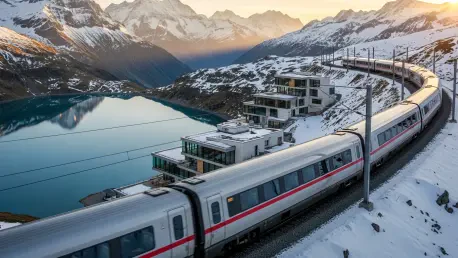
Switzerland continues its long-standing tenure as one of the world’s most expensive destinations, driven largely by the persistent strength of the Swiss franc and a national economy characterized by exceptionally high living standards. In the current year, luxury mountain resorts like Zermatt and St. Moritz exemplify this trend, where the costs for lodging and fine dining significantly outpace the European average. Furthermore, the iconic scenic rail networks and high-altitude cable cars, while providing world-class efficiency, add a substantial layer of expense to the typical visitor’s budget that cannot be easily bypassed.
The Nordic model, represented by Norway and Denmark, mirrors this high-cost structure through its emphasis on social equity and environmental sustainability. Norway’s expenses are inextricably tied to its geographic challenges and high operating costs, particularly for those seeking the fjords or the northern lights. Visitors must contend with premium pricing for car rentals and ferries, as high domestic wages directly influence the pricing of hospitality services. Copenhagen remains a focal point for this trend, where the reputation for high-end design and exceptional quality of life translates into some of the highest hotel and restaurant rates in Europe.
Island Inflation and the Geography of Isolation
Iceland presents a unique case of what industry analysts call island inflation, where the nation relies heavily on imported goods and suffers from geographic isolation. This isolation creates an elevated cost of living that is passed directly to the traveler, especially for essential services like food and fuel. Specialized experiences such as glacier tours and geothermal spa visits remain major draws, but they come with high price tags that reflect the logistical complexity of maintaining such attractions in a rugged, remote environment. The surge in demand for these once-in-a-lifetime natural wonders has kept daily visitor spending high relative to mainland Europe.
The United Kingdom, particularly the hub of London, remains a central point for high expenditure despite being part of a larger landmass. While the country offers diverse regional experiences that can be more affordable, the capital city continues to command premium rates for historical site entrance fees and urban transport. Data from tourism boards suggests that the combination of high-demand accommodation and the density of world-class cultural institutions keeps the UK among the top tier of expensive destinations. Travelers often find that the cost of navigating the metropolitan center requires a budget far beyond what is necessary for the surrounding countryside.
Urban Hubs and the Premium on Efficiency in Asia-Pacific
In the Asia-Pacific region, the cost of travel is defined by urban density and a sophisticated commitment to technological efficiency. Japan, a perennial favorite, sees elevated costs in primary hubs like Tokyo and Kyoto, where the demand for high-quality dining and the famous Shinkansen network remains a significant investment. While budget alternatives exist, the overall economic level of the country ensures that the price for a premium experience remains high. The precision of Japanese service and the meticulous maintenance of its historical sites are baked into the cost of every transaction.
Singapore stands out as a compact but high-cost city-state that operates as a global business and leisure hub. Its luxury hotels and efficient, premium-priced transport systems cater to a demographic that values time and reliability above all else. Nightly rates for accommodation remain a primary driver of the city’s expensive reputation, as the limited land area creates a natural ceiling on supply. Australia, meanwhile, represents the challenge of distance-related costs, where the initial airfare is just the beginning of a high-spend journey. Premium experiences like Great Barrier Reef excursions are priced to reflect the logistical difficulty of operating in remote, protected areas.
The Luxury Pivot: From High-Demand Cities to Engineered Opulence
The United States offers a highly variable cost landscape that features some of the highest hotel and dining prices globally in major coastal cities. New York, San Francisco, and Los Angeles serve as benchmarks for expensive urban travel, where transport costs—including car rentals and domestic flights—are major components of the total spend. The sheer scale of the country means that moving between these hubs incurs significant financial and temporal costs, while the high demand for premium urban experiences ensures that prices remain resistant to downward trends.
In the Middle East, the United Arab Emirates has solidified its position as a center for engineered opulence, specifically within Dubai and Abu Dhabi. The region focuses on grand-scale attractions, high-end shopping, and world-class hospitality that target the upscale market segment. While the infrastructure is modern and efficient, the associated costs for iconic experiences, such as observation decks in record-breaking skyscrapers or luxury theme parks, contribute to an elevated travel budget. This intentional positioning toward the luxury segment ensures that the UAE remains a primary destination for those seeking high-expenditure travel.
Navigating Price Volatility: Expert Strategies for the Modern Explorer
To navigate these high-cost environments, industry consensus points toward strategic planning as the most effective tool for budget mitigation. Securing accommodation and transport months in advance is no longer just a recommendation; it is an essential practice to avoid the last-minute premiums common in high-demand cities. Travelers who utilize shoulder seasons—the periods between peak and off-peak travel—find they can experience destinations like Switzerland or Iceland at slightly reduced rates without sacrificing the quality of the experience. This timing allows for a more relaxed pace and greater access to popular sites that are otherwise overcrowded and overpriced.
Another effective strategy involves the use of localized choices and public resources to balance the high costs of lodging. Opting for regional rail passes in Japan or Europe and seeking out local dining options over tourist-centric establishments can significantly lower daily expenditures. Furthermore, taking advantage of free outdoor attractions, such as Norway’s public parks or the national museums in the United Kingdom, helps distribute the budget more effectively. By focusing spending on high-value, unique experiences and utilizing public infrastructure for the basics, travelers can maintain a premium experience while managing the overall financial impact of their journey.
Redefining the Value Proposition of High-End Travel
The landscape of global tourism demonstrated that while costs reached new heights, the destinations in question continued to offer exceptional value in terms of safety, infrastructure, and unique cultural experiences. This analysis confirmed that the most expensive destinations were not merely charging more; they were providing a level of service and preservation that justified the investment. Governments and tourism boards focused heavily on balancing these high costs with sustainable development, ensuring that the influx of premium travelers did not degrade the very assets they came to see. The relationship between price and quality remained a central pillar of the global travel market, where economic stability fostered a reliable environment for international visitors.
Success for travelers in this high-cost era depended on their ability to research and plan, ensuring that every dollar spent contributed to a meaningful and manageable journey. The move toward high-value tourism suggested that the future of travel would likely involve fewer but more impactful trips, where the focus shifted from quantity to the depth of the experience. As the world continues to evolve, the importance of strategic financial management in travel will only grow, making it necessary to view high-cost destinations through the lens of long-term value. By embracing these economic realities, the modern explorer can continue to access the world’s most incredible locations while maintaining a sustainable approach to global discovery.