
The sun-drenched landscapes of Northern California are currently witnessing a massive strategic pivot as the city of Redding abandons fragmented marketing in favor of a singular, powerhouse brand designed to dominate the regional tourism market. This consolidation marks the end of the Choose Redding initiative, effectively folding all promotional activities under the long-standing Visit Redding banner to eliminate marketplace friction. By streamlining digital assets and physical outreach, local officials aim to provide a frictionless experience for both spontaneous travelers and professional event organizers who previously navigated a maze of overlapping agencies. This organizational overhaul is not merely a cosmetic update but a deliberate move to transition from passive visitor attraction to an aggressive, business-to-business model. The strategy focuses on establishing the city as a premier destination for competitive events that drive substantial economic activity through direct spending and long-term investment into the local infrastructure.
Strategic Integration: Unified Branding and Operational Resources
The transition to a unified identity under Visit Redding directly addressed long-standing feedback from meeting planners and large-scale event organizers who found the dual-brand system cumbersome. Previously, the administrative responsibilities were split between the local Chamber of Commerce, which managed leisure travel, and the Redding Tourism Marketing Group, which targeted convention and group business. This bifurcated approach often resulted in redundant communication and a lack of a cohesive voice when bidding for major regional contracts. By merging these entities into a single downtown headquarters and consolidating their web presence, the city has created a one-stop shop for any organization looking to bring a group to the area. This streamlined operation ensures that a youth soccer tournament organizer receives the same level of professional attention and high-quality branding as a large-scale corporate coordinator, fostering a reputation for reliability in a competitive market.
Financial sustainability remains the backbone of this marketing evolution, powered by a dual-engine funding model that allows the city to target distinct visitor demographics with precision. The primary funding source for group travel recruitment is the Redding Tourism Business Improvement District, which generates revenue through a 2% assessment levied on lodging businesses within the city limits. This dedicated pool of capital is specifically earmarked for attracting sports tournaments and conventions that require professional recruitment and logistical support. Complementing this is the Transient Occupancy Tax, a 10% guest tax that provides the necessary resources for broad-based leisure travel marketing through the city’s ongoing partnership with the Chamber of Commerce. This structure allows the municipality to maintain a high-profile public presence while simultaneously funding the specialized technical teams required to win bids for major athletic championships and gatherings.
Maximizing Economic Impact: The Redding Sports Commission
Central to the city’s aggressive growth strategy is the establishment of the Redding Sports Commission, a specialized body dedicated to identifying and securing high-impact athletic competitions. Led by industry veterans, this organization focuses exclusively on events that guarantee overnight stays, a metric commonly referred to as “heads to beds” within the hospitality industry. The global sports tourism sector is experiencing unprecedented growth, and Redding is positioning itself to capture a significant portion of this lucrative market by offering world-class outdoor venues and professionalized event management. This proactive recruitment model represents a departure from traditional tourism, which often relies on seasonal trends and unpredictable weather patterns. By building a robust calendar of regional and national sporting events, the city can ensure a steady stream of visitors throughout the year, effectively insulating the local economy from the fluctuations inherent in the broader travel industry.
The most significant manifestation of this high-stakes strategy is the substantial investment made to secure the IRONMAN 70.3 Northern California, an event that carries immense international prestige. City officials allocated nearly $500,000 to bring this competition to the region, betting that the influx of thousands of athletes and their support teams will generate millions in direct local spending. While Redding has historically hosted successful niche events like the Shasta Dam Grand Prix and various regional rowing regattas, the formalization of the Sports Commission allows for a more sophisticated level of corporate recruitment. These large-scale events serve as massive, live-action advertisements for the region, showcasing the unique combination of rugged natural beauty and urban amenities to an international audience. The goal is to create a virtuous cycle where high-profile events attract more participants, which in turn justifies further investment in the city’s recreational and hospitality infrastructure.
Urban Revitalization: Aligning Infrastructure with Modern Tourism
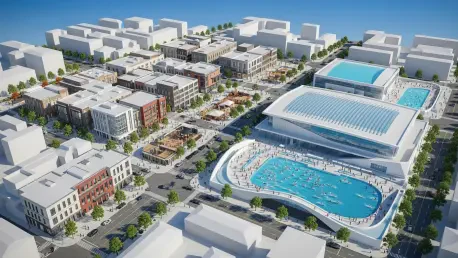
The success of Redding’s new tourism initiatives is fundamentally linked to the ongoing physical transformation of its urban core, which has undergone a dramatic revitalization over the past few years. Significant capital investments have been funneled into projects that reopened the historic street grid and prioritized pedestrian accessibility, turning the downtown area into a legitimate destination. These infrastructure improvements are critical because they provide the actual “product” that tourism officials market to event organizers who are looking for more than just a sports venue. A vibrant downtown with hundreds of new residential units and the recently opened Redding Public Market offers an enticing environment for athletes and their families during their downtime. By creating a walkable, culturally rich center, the city enhances the overall visitor experience, making it more likely that tournament participants will spend more time and money in local shops and restaurants.
Beyond the immediate goal of filling hotel rooms, city leadership views the sports tourism boom as a long-term catalyst for population diversification and broader regional economic development. High-profile competitions like the IRONMAN offer a unique opportunity for people from diverse geographic backgrounds to experience the local quality of life firsthand, often for the first time. This exposure serves as a powerful recruitment tool, potentially converting temporary visitors into future residents, business owners, or long-term investors who contribute to the local tax base. The strategy emphasizes that tourism is not just an isolated industry but a vital component of a holistic economic plan that benefits every citizen through improved amenities and increased public revenue. By professionalizing the sports tourism infrastructure and pairing it with a rejuvenated downtown, the city is laying the groundwork for sustained regional prosperity that extends far beyond the final whistle of any single event.
Strategic Pathways: Lessons for Sustainable Regional Development
The successful consolidation of municipal branding and the aggressive pursuit of athletic contracts provided a clear blueprint for regional growth that favored long-term stability over short-term gains. Stakeholders realized that a unified digital presence and a centralized recruitment office were essential for competing with larger metropolitan hubs for lucrative national tournament bids. This period of development demonstrated that significant upfront investments in marquee events like the IRONMAN yielded substantial dividends when paired with a professionalized support infrastructure. City leaders consistently focused on the integration of hospitality needs with residential improvements, ensuring that every dollar spent on tourism also enhanced the daily lives of the local community. These efforts solidified the city’s reputation as a destination for competitive sports, proving that a well-executed marketing strategy effectively transformed a regional hub into a global contender for high-impact travel events.
Looking back at the organizational shifts that defined this era, it was clear that the dual-engine funding model provided the necessary agility to navigate changing market conditions with confidence. The decision to prioritize the “heads to beds” metric allowed for a more data-driven approach to recruitment, ensuring that every hosted event provided a measurable return on investment for local businesses. Community leaders identified the critical importance of maintaining a high-quality urban environment to complement the natural wonders of the surrounding area, which successfully converted one-time visitors into repeat travelers. These strategic maneuvers ultimately served as the foundation for a resilient economy that prioritized diverse revenue streams and high-value professional partnerships. By the end of this phase, the city firmly established a sustainable model for growth that other regions sought to emulate, proving that a bold bet on sports tourism was the right move for the local community.