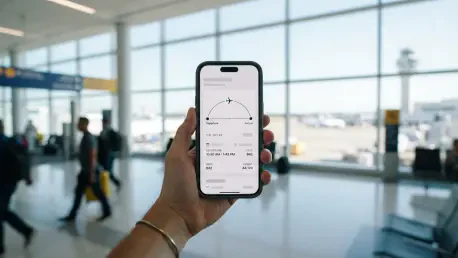

The decision to restrict AI involvement reflects a broader effort by United Airlines to maintain total control over the information generated during the booking process while setting a firm boundary for travelers seeking the convenience of autonomous software. Travelers seeking the convenience of autonomous software to handle their flight logistics now face a firm wall, as the carrier has implemented a policy specifically targeting personal artificial intelligence agents. While the industry has generally leaned toward automation, United’s stance draws a clear line between research and transaction. Passengers can still utilize large language models and digital assistants to brainstorm vacation ideas or compare flight schedules, but the actual act of purchasing a seat or modifying an existing reservation requires a human touch. This policy, which went into effect on November 11, applies across all digital channels, including the official mobile application and various third-party aggregators. By mandating manual intervention for the final steps, the airline ensures every contract of carriage is entered into by a person rather than a script. This specific measure addresses the growing concern that autonomous software might bypass essential security prompts or misinterpret the legal obligations inherent in a passenger’s contract. By centralizing the booking process within its own ecosystem, the airline mitigates the risk of external errors that could lead to significant operational disruptions. For travelers, this means that while the planning phase can be outsourced to digital assistants, the final commitment remains a distinctly human responsibility. United’s policy ensures that every flyer is directly involved in the critical moments of their travel planning.
Security Risks: Regulatory Compliance and Data Privacy
The primary motivation behind this restrictive measure centers on the protection of sensitive passenger data and the mitigation of cybersecurity risks. Personal AI agents often require access to highly confidential login credentials, including MileagePlus account details and stored payment methods, to perform automated tasks. By allowing these agents to operate within its systems, United would effectively be opening a backdoor for third-party software that may not adhere to the same rigorous encryption and security protocols as the airline itself. This vulnerability could lead to unauthorized account modifications or the theft of valuable frequent flyer miles, creating a liability nightmare for both the traveler and the corporation. Furthermore, the airline industry operates under strict federal oversight, where the identity of the person making the transaction is legally significant. If an AI agent executes a purchase, the traditional safeguards intended to verify the buyer’s intent and identity become blurred, potentially complicating fraud detection efforts. By enforcing a manual booking process, United maintains a clear audit trail that links every transaction directly to a verified individual user. This helps to prevent the unauthorized spending of miles and ensures that credit card data remains within secure, audited environments. The airline prioritizes the long-term integrity of its customer accounts over the short-term convenience of automated booking bots.
Beyond technical security, the airline must comply with mandatory safety regulations governed by the Federal Aviation Administration and the Department of Transportation. During the check-in and booking sequence, passengers are legally required to acknowledge specific warnings regarding hazardous materials and prohibited items in their luggage. An automated bot cannot legally provide this consent on behalf of a human, as the responsibility for carrying dangerous goods rests solely with the individual passenger. If an AI were to bypass these prompts, the airline could be found in violation of federal safety mandates, leading to significant fines and increased scrutiny from regulators. This requirement for direct interaction ensures that travelers are fully aware of the risks and legal obligations associated with air travel before they reach the airport. By prohibiting AI agents from completing these workflows, United ensures that there is no ambiguity regarding who accepted these terms and confirmed the safety data. This human-centric approach reinforces the safety culture that defines modern aviation, ensuring that every traveler is personally informed about the rules that govern their transport. The legal framework of aviation requires a level of accountability that today’s autonomous agents simply cannot provide, making human intervention a non-negotiable aspect of the process. This stance protects the airline from legal liabilities while ensuring that every passenger has personally reviewed the necessary safety protocols.
Commercial Strategy: Managing Relationships and Digital Intermediaries
The commercial implications of AI agents acting as intermediaries represent another significant factor in United’s decision-making process. Chief Executive Officer Scott Kirby has previously expressed skepticism regarding software that positions itself between the airline and its customers, fearing that these tools could obscure the direct relationship that the company has worked hard to build. When an AI agent handles the booking, the airline loses the ability to present its full range of products, such as seat upgrades, Wi-Fi packages, or travel insurance, which are often tailored to the specific needs of the passenger. This disruption of the digital storefront could lead to a commoditized view of air travel where only the lowest price is highlighted, ignoring the value-added services that differentiate United from its competitors. By blocking these autonomous agents, the airline preserves its ability to communicate directly with its audience, ensuring that passengers receive accurate, real-time information regarding their flights. This strategy also prevents external software from misinterpreting complex fare rules or baggage policies, which could lead to confusion and dissatisfaction if the AI makes an error during the reservation process. Maintaining this direct line of communication is essential for managing irregular operations, such as weather delays or cancellations, where clear and direct instructions are vital. By keeping the booking process in-house, United ensures that its brand voice remains consistent and that customers are fully aware of the benefits associated with their specific ticket class.
The initial implementation of this policy served as a critical safeguard while the industry grappled with the rapid evolution of autonomous digital assistants. United made it clear that while it valued the innovation AI brought to the planning phase, the legal and financial stakes of the booking process required a more traditional framework. Moving forward, the carrier remained open to re-evaluating its stance as security protocols became more standardized and authorization frameworks like OAuth were more widely adopted by AI developers. Travelers were encouraged to view this period as a necessary transition toward a more secure digital ecosystem where human intent and machine efficiency could eventually coexist without compromise. The airline continued to honor bookings made prior to the restrictions, though it urged those passengers to verify their itineraries manually to ensure no data was lost in translation. As technology continued to advance throughout the year, the development of specialized, airline-approved AI agents became a priority for future digital strategy. For now, travelers should focus on utilizing AI for the heavy lifting of itinerary research while remaining prepared to execute the final purchase through official channels. This approach allowed the airline to maintain high-fidelity data while protecting passengers from the unpredictability of third-party algorithms. The focus remained on establishing a foundation of trust and transparency, ensuring that the human passenger stayed at the center of the aviation experience while the technology matured.