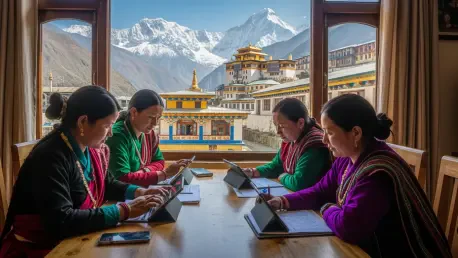

The high-altitude villages nestled within the Buddhist Himalayan corridor are witnessing a quiet yet profound revolution as local women step into leadership roles to redefine the parameters of rural tourism. This strategic movement, championed by advocates like Dasanglu Pul, is not merely a commercial endeavor but a sophisticated framework designed to foster social equity and long-term economic resilience. By positioning women at the center of the travel industry, the region successfully bridges the historical gap between modernization and tradition, creating a development model where cultural preservation and economic growth exist in a symbiotic relationship. This vision leverages the unique spiritual atmosphere and the breathtaking natural environment of the mountains to create an inclusive tourism experience that benefits both the host and the visitor. The primary objective is to cultivate a system where sustainable growth and cross-cultural communication are prioritized, ensuring that the surge in interest for high-altitude experiences does not compromise the sacred integrity of the landscape or its people.
Empowering Communities through Economic and Cultural Vitality
Local Economic Resilience and Community Leadership
The transition toward community-based tourism models has transformed women into essential catalysts for economic revitalization throughout the Himalayan region. As more travelers seek out authentic experiences, local women are increasingly taking the helm by managing homestays, operating as professional mountain guides, and facilitating immersive cultural workshops. This shift ensures that the financial rewards generated by the tourism sector remain within the villages rather than being siphoned off by external corporations or large-scale urban travel agencies. By assuming these roles, women gain direct control over their financial destinies, which allows them to reinvest profits into local health initiatives and educational programs for children. This localized management style fosters a sense of pride and ownership, turning every household into a stakeholder in the region’s prosperity. Consequently, the economic empowerment of women serves as a foundational pillar for a more stable and self-sufficient rural society.
The economic independence gained through these initiatives has a ripple effect that extends far beyond individual households, altering the broader social fabric of the Buddhist Himalayas. When women are the primary earners and decision-makers in the tourism sector, the distribution of wealth becomes more equitable, leading to a visible reduction in rural poverty. These leaders are often more inclined to support sustainable agricultural practices and local craftsmanship, creating a diverse economic ecosystem that is not solely dependent on seasonal travel. This resilience is crucial for high-altitude communities that face logistical challenges due to weather and terrain. By diversifying their income streams through guided tours and specialized cultural experiences, women leaders are building a buffer against global economic fluctuations. This inclusive development model proves that when a community’s most marginalized members are given the tools to lead, the resulting growth is more durable and reflective of the actual needs of the people living there.
Cultural Ambassadorship and Buddhist Values
Local women serve as vital safeguards for the deep spiritual roots and ancient traditions that define the Buddhist Himalayan identity. By acting as cultural ambassadors, they provide visitors with authentic experiences that go far beyond superficial sightseeing or mass-marketed spiritualism. These leaders guide travelers through sacred temples, explain the nuances of traditional rituals, and share the profound philosophies that underpin daily life in the mountains. This level of engagement allows visitors to develop a genuine respect for the local way of life, fostering a type of tourism that is built on mutual understanding rather than consumption. The presence of women at the forefront of cultural storytelling ensures that the narrative of the Himalayas is told from an internal perspective, preserving the integrity of sacred sites and protecting them from the potential commercialization that often accompanies global tourism trends.
This interaction between local guides and international travelers creates a powerful avenue for cross-cultural exchange that benefits both parties in meaningful ways. While visitors gain a deeper understanding of Buddhist values and the importance of mindful living, the local community gains valuable exposure to diverse global perspectives. This exchange helps women leaders refine their tourism offerings, making them more competitive on a global scale without sacrificing their cultural identity. The integration of traditional knowledge with modern service standards allows these communities to offer a product that is both high in quality and rich in heritage. Furthermore, this role as educators and leaders elevates the status of women within their own communities, as they are seen as the primary protectors of the region’s most valuable intangible assets. This cultural vitality is essential for ensuring that the younger generation remains connected to their heritage while still participating in the modern global economy.
Stewardship and the Future of Regional Development
Environmental Preservation in a Fragile Landscape
A commitment to environmental sustainability is a defining feature of women-led tourism in the fragile ecosystem of the high Himalayas. These leaders recognize that the pristine beauty of the mountains is their most significant asset and that its degradation would lead to the collapse of their livelihoods. To mitigate the negative impacts of mass tourism, they emphasize low-impact travel and implement strict eco-friendly practices within their homestays and tour operations. From reducing plastic waste to promoting traditional water conservation methods, these initiatives are designed to minimize the ecological footprint of every visitor. The focus on “slow tourism” encourages travelers to stay longer and interact more deeply with the environment, rather than rushing through multiple locations. This approach ensures that the biodiversity of the region remains intact, protecting the flora and fauna that make the Himalayas a world-renowned destination for nature lovers.
The proactive role of women in environmental stewardship often involves integrating ancient ecological wisdom with modern conservation techniques. Many of these leaders utilize traditional knowledge of the landscape to identify areas that are too sensitive for heavy foot traffic, effectively managing visitor flow to prevent soil erosion and habitat destruction. This grassroots management is more effective than top-down regulations because it is implemented by those who live on the land and understand its cycles. By championing renewable energy sources, such as solar power for heating and lighting in remote villages, women-led enterprises are setting a standard for green development in high-altitude regions. This dedication to ecological health ensures that the natural resources of the Himalayas remain available for future generations. The success of these practices demonstrates that tourism can be a force for environmental protection when it is led by those who have a vested interest in the long-term health of their ancestral lands.
Catalyzing Long-Term Social Change
Women-led tourism initiatives act as a blueprint for broader social transformation, focusing on long-term stability and communal well-being rather than short-term financial gains. When women hold significant decision-making power and control over revenue streams, the entire community tends to become more resilient and equitable. This shift in leadership style encourages a more collaborative approach to problem-solving, where the needs of children, the elderly, and the environment are given equal weight alongside economic growth. The inclusive nature of this model strengthens the social fabric, ensuring that development does not lead to the fragmentation of the community. Instead, it fosters a sense of unity as residents work together to host visitors and showcase their unique culture. This holistic approach to social change proves that economic progress can be achieved without sacrificing the social balance that has sustained these mountain societies for centuries.
The ripple effects of this social change are visible in the increasing number of young women who are choosing to stay in their home villages rather than migrating to urban centers for work. By creating viable and prestigious career paths in sustainable tourism, these initiatives are reversing the trend of rural depopulation. This retention of youth is vital for the continued survival of Himalayan traditions and the maintenance of the rural infrastructure. Moreover, the leadership roles assumed by women serve as a powerful inspiration for the next generation, challenging traditional gender norms and opening up new possibilities for personal and professional growth. This empowerment is not just about income; it is about the right to shape the future of their own society. As these women continue to innovate and lead, they are creating a more balanced and just social order that serves as a model for other rural regions around the world looking to balance development with identity.
A Sustainable Blueprint for Global Tourism
The movement within the Buddhist Himalayas indicates that the future of regional development is rooted in the successful integration of culture, environment, and gender equity. By treating the preservation of heritage and nature as the very foundation of growth rather than an obstacle to be overcome, these communities are establishing a new global standard for the industry. The model demonstrates that tourism is most successful when it is grounded in the specific values and needs of the local population. As women continue to shape the narrative of Himalayan travel, they ensure that the unique spirit of the region remains a vibrant and protected legacy. This evolution marks a significant departure from traditional tourism models that often prioritize the convenience of the traveler over the well-being of the host. The success of this approach offers valuable lessons for other destinations worldwide that are struggling to manage the pressures of increasing global mobility and environmental change.
The collaborative efforts of leaders like Dasanglu Pul have established a pathway that allows the Buddhist Himalayas to engage with the world on its own terms. This model of self-determined development ensures that the benefits of globalization are harnessed without losing the essence of what makes the region unique. By prioritizing sustainability and equity, these communities are not just surviving in the modern economy; they are thriving and setting an example for how to build a resilient future. The continued support for women-led initiatives will be essential for maintaining this momentum and ensuring that the tourism sector remains a source of positive change. As the industry evolves, the focus will remain on refining these community-based models to meet new challenges while staying true to the core values of compassion and stewardship. This forward-thinking approach ensures that the Buddhist Himalayas will continue to be a beacon of cultural and environmental integrity for years to come.
Moving forward, regional authorities and international stakeholders prioritized the expansion of specialized training programs that enhanced the digital literacy and management skills of local women. These efforts focused on providing access to decentralized financial tools, allowing small-scale hospitality ventures to operate with greater autonomy from urban banking centers. By integrating advanced waste-management technologies with traditional ecological practices, the communities established a closed-loop system that significantly reduced the environmental impact of rural travel. Future considerations involved the creation of a regional certification for sustainable heritage sites, which ensured that all tourism activities adhered to the strict spiritual and environmental standards of the Buddhist Himalayan corridor. These steps successfully solidified a tourism model that prioritized the dignity of the host and the health of the landscape, offering a practical roadmap for other high-altitude regions to follow.