
Katarina Railko brings a wealth of expertise from the high-stakes world of hospitality and tourism to the evolving landscape of corporate events. As a specialist in large-scale expos and conferences, she understands how a venue’s physical infrastructure and storytelling potential can transform a standard meeting into an immersive experience. Today, she shares her insights on the British Motor Museum’s ambitious expansion and its shift toward a more experiential, residential event model.
The addition of a 142-bedroom hotel adjacent to a major venue significantly alters its competitive edge, so how do you see this new development transforming the British Motor Museum’s long-term appeal for event planners?
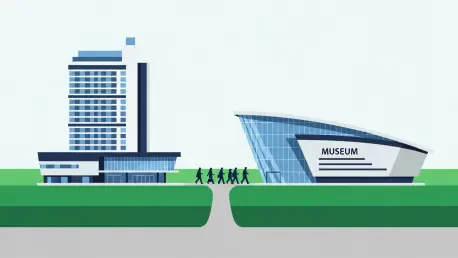
The arrival of the Fairfield by Marriott hotel on-site in June 2027 is a logistical revolution for this 65-acre destination. By providing 142 bedrooms right next to the museum, it eliminates the friction of off-site commutes for multi-day events, allowing organizers to create more intensive and focused schedules. This allows planners to extend their programs beyond the conference room, turning a simple daytime meeting into a cohesive residential experience. It perfectly aligns with the current trend across the United Kingdom where venues are investing in accommodation to boost delegate engagement and maximize the value of attendance.
With 17 meeting rooms catering to specific sectors like STEM and mobility, what makes the museum’s infrastructure particularly suited for these high-tech professional associations?
The venue offers a rare level of scalability, with 17 meeting rooms that can host anywhere from six to 600 delegates, making it perfect for both intimate board meetings and massive industry expos. The presence of the world’s largest collection of historic British cars provides a sensory, inspiring backdrop that naturally complements themes of engineering and manufacturing. Beyond the indoor conference and exhibition suite, the expansive 65-acre site allows for outdoor ride-and-drive programs and product launches that a traditional hotel ballroom simply cannot accommodate. This unique combination of high-spec technical facilities and active outdoor space helps associations justify attendance by offering a venue that supports their niche professional objectives.
How does the new “Incentives Beyond the Ropes” program help organizers meet the growing demand for memorable, mission-driven delegate experiences?
Organizers are under immense pressure to make events work harder, and this program offers the kind of exclusive access that creates genuine lasting value for attendees. By including private museum tours, scavenger hunts, and archive access, the venue provides a “money-can’t-buy” feeling that helps with corporate reward and recognition. These activities transform a standard gathering into a series of moments that people will continue to talk about long after the event has concluded. It’s a strategic move away from basic catering packages toward a model where the venue’s heritage is used to create deep emotional engagement with the brand.
In what ways will the appointment of a new business development manager like Tracy Ford change how the museum collaborates with agencies and direct clients?
Appointing Tracy Ford signals a shift toward a more high-touch, consultative relationship where the venue acts as a strategic partner rather than just a space for hire. Her focus on growing both agency and direct business shows that the museum wants to better understand how its unique assets can support a client’s specific engagement goals. Modern clients are looking for more than just a logistical checklist; they want a collaborator who can help them create an atmosphere that inspires their teams. By building these sophisticated relationships now, the venue is ensuring that its 2027 expansion is met with a strong pipeline of high-value corporate business.
What is your forecast for the future of specialized venue destinations like the British Motor Museum?
I forecast a major shift toward “experience-led” venues where the destination’s identity is as important as its technical specifications. As we approach 2027, the museum’s blend of on-site guest rooms and specialized activity space will likely become the gold standard for high-engagement corporate events. We will see associations move away from generic hotels in favor of places that offer built-in storytelling and interactive programs that reflect their industry’s culture. Ultimately, venues that provide a total immersion into a specific heritage while offering seamless hospitality will see the highest levels of delegate satisfaction and repeat business.