
The architectural silhouette of Tower Bridge has long defined the London skyline, but today it frames a sophisticated evolution in the city’s approach to high-stakes corporate gatherings. The Tower Hotel by Thistle has officially opened its doors to the refurbished Tower Suite, a space where the weight of British history meets the sharp edges of modern business. This multi-million-pound investment revitalizes a classic location, ensuring that one of the most recognizable views in the world is now paired with equally impressive interior facilities.
Designed to accommodate up to 500 guests, the suite transcends the traditional ballroom aesthetic. It serves as a focal point for the hospitality sector, which is increasingly focused on large-scale adaptability. By blending heritage architecture with contemporary design, the hotel provides a setting that feels both prestigious and functionally relevant for the demands of the global market.
A New Benchmark for Waterfront Events: The Foot of Tower Bridge
This transformation is a direct response to the Clermont Hotel Group’s “Spaces for All” initiative, a strategy designed to modernize their portfolio for the current business era. There is a clear recognition that today’s travelers and event organizers no longer settle for static environments. Instead, they seek out destination-led venues that offer a sense of place alongside technical reliability.
By targeting this prime London location, the group successfully filled a gap in the market for high-capacity venues that bridge the divide between leisure and professionalism. The investment reflects a commitment to quality that aligns with the expectations of international delegates who prioritize efficiency and aesthetic appeal. This strategic shift ensures the property remains competitive against newer developments across the capital.
The Strategic Drive: The “Spaces for All” Initiative
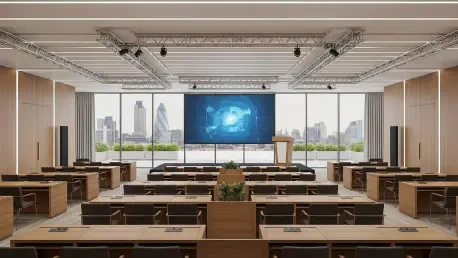
Technical precision defines the new Tower Suite, where every upgrade caters to high-impact presentations and creative branding. The installation of advanced audiovisual systems, including high-definition projection and integrated digital signage, allows companies to colonize the space with their own corporate identity. These tools ensure that communication is clear, whether for a global product launch or an industry-wide conference.
Architectural flexibility is further enhanced by retractable ceiling rigging, which opens up endless possibilities for lighting designers and event planners. A dedicated private entrance offers an extra layer of exclusivity, making the venue suitable for high-profile guests who require discretion. Such features allow the hall to transition effortlessly from a structured business environment to an elegant evening gala.
High-Definition Technology and Architectural Versatility
Project leaders viewed the relaunch as the beginning of a broader metamorphosis for the entire hotel property. Plans moved forward to update the 801 guest rooms and the main reception, creating a unified design language throughout the building. The addition of a contemporary lobby bar and an external terrace provided guests with more social spaces that capitalized on the hotel’s unique riverside position.
This holistic approach ensured that the event experience extended beyond the conference room walls. By integrating hospitality and technology, the management team solidified the hotel’s reputation as a premier destination. The focus on local organizers and international delegates alike highlighted a versatile business model that valued long-term growth and guest satisfaction.
Leadership Vision: A Comprehensive Hotel Transformation
Planners who utilized the venue’s infrastructure achieved higher levels of engagement by leaning into its customizable features. They leveraged the integrated rigging for immersive activations and utilized the private entrance to streamline the guest journey. These early successes demonstrated how the suite’s physical layout and digital capabilities worked in tandem to produce memorable corporate outcomes.
The introduction of the outdoor terrace provided a necessary balance for breakout sessions, allowing attendees to reflect on the day’s insights against the backdrop of the Thames. Organizers recognized that the combination of modern tech and iconic scenery created a unique environment that surpassed standard city offerings. These strategic choices solidified the hotel’s position as a leader in the modernization of London’s hospitality landscape.
Strategies for Leveraging Multi-Functional Event Spaces
Future organizers considered how the site’s geographical positioning influenced the mood of their events. By integrating the upcoming outdoor options for networking, they found a way to blend the professional requirements of a modernized suite with the unique character of the London setting. This approach maximized the return on investment for companies seeking both substance and style in their venue selection.
The project concluded by setting a new standard for how historic properties adapted to the digital age. By focusing on connectivity and aesthetic flexibility, the hotel ensured its relevance for years to come. The comprehensive renovation proved that even the most established landmarks could evolve to meet the high-tech demands of the global corporate community.