
Guests can choose from eight categories of meticulously designed accommodations ranging from cozy Snug Doubles to expansive Junior Suites equipped with Emperor-sized beds. The opening of this boutique destination marks a significant shift in the regional hospitality landscape, blending high-end technology with the serene atmosphere of the Oxfordshire countryside. Strategically positioned to serve both the academic hub of Oxford and the leisure-seeking travelers of the M40 corridor, the property occupies a revitalized estate that emphasizes sustainable luxury. Visitors can expect an environment where modern conveniences, such as automated climate control and integrated streaming services, coexist with handcrafted furniture and locally sourced textiles. The architectural team prioritized natural light, ensuring that every corner of the guestrooms feels connected to the lush surrounding landscape. As the regional tourism market continues to evolve from 2026 to 2028, facilities like this one set a new standard for sophisticated lodging that prioritizes comfort.
Culinary Excellence: A Focus on Hyper-Local Gastronomy
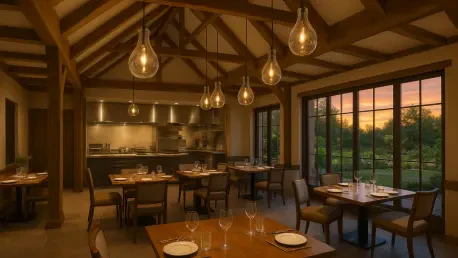
The cornerstone of the establishment is the signature dining room, which draws heavy inspiration from the agricultural heritage of the immediate vicinity. Led by a team of accomplished chefs, the kitchen operates on a philosophy that prioritizes seasonal availability and direct partnerships with nearby organic farms. This farm-to-table model ensures that the menu remains dynamic, reflecting the specific harvests of the season while reducing the carbon footprint associated with long-distance logistics. Guests can enjoy a curated selection of dishes that celebrate British classics reimagined with contemporary techniques, all served in an airy space defined by exposed timber beams and floor-to-ceiling windows. The integration of an open-concept kitchen allows diners to witness the precision of the culinary staff, creating a sense of transparency and engagement. Every element, from the hand-pressed oils to the artisanal sourdough, is crafted to highlight the richness of the local terroir.
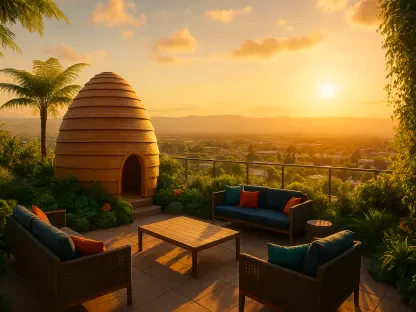
Adjacent to the dining hall, the cocktail lounge and outdoor terrace offer a more relaxed atmosphere for social interaction and refined relaxation. The beverage program features an extensive list of botanical-infused spirits and sparkling wines sourced from English vineyards that have gained international acclaim in recent years. Specialized mixologists have developed a range of signature drinks that utilize herbs grown in the hotel’s own kitchen garden, providing a sensory link between the landscape and the glass. Outside, the terrace is equipped with advanced heating systems and ergonomic seating, allowing the space to remain a viable social hub even as the autumn air turns crisp. This area serves as a focal point for evening gatherings, where the interplay of fire pits and subtle lighting creates an inviting ambiance. By fostering a sophisticated social environment, the property caters to a demographic that values experiential luxury and high-quality craftsmanship in every detail.
Heritage and Innovation: Bridging History with Modernity
The hotel’s location near the ancient Bernwood Forest provides a unique historical context that the designers have carefully woven into the property’s aesthetic fabric. Once a royal hunting ground, the area is steeped in centuries of folklore and natural beauty, which is reflected in the use of dark woods, muted green palettes, and textured stone throughout the interior. However, this nod to the past does not come at the expense of modern efficiency; the building features a high-performance envelope and smart energy management systems that drastically reduce operational waste. Designers utilized reclaimed materials wherever possible, giving new life to historical elements while ensuring the structural integrity meets current safety and environmental standards. This dual focus on preservation and progress allows the hotel to offer a sense of timelessness that resonates with travelers seeking authenticity. The property effectively acts as a gateway to the forest, encouraging guests to explore the wilderness.
Stakeholders who aimed to revitalize this corner of the Oxfordshire countryside successfully demonstrated that heritage preservation and modern hospitality are not mutually exclusive. The project moved beyond simple renovation by implementing decentralized water filtration and solar arrays that ensured the facility remained self-sufficient during peak demand periods. Future developments in this sector should prioritize such integrated systems to mitigate environmental impact while maintaining high service standards. Investors and developers looked toward scalable green technologies as a blueprint for upcoming ventures throughout the region. For travelers, the opening represented an opportunity to engage with a sustainable model of luxury that respected local ecology. Moving forward, the industry benefited from analyzing how these design choices influenced guest retention and overall operational costs. Implementing these lessons required a commitment to quality over rapid expansion, a strategy that ultimately secured the property’s position as a leader in the new hospitality era.