
The transition from a Regent Street startup to an international group highlights the effectiveness of a hospitality model that values multi-generational loyalty. Since its establishment in 1996, the brand has navigated the competitive London dining scene by offering a consistent blend of luxury and accessibility. This month marks a significant milestone as the organization commemorates three decades of service with a series of events across its global portfolio. What began as a single boutique cafe has transformed into a massive operation that spans multiple continents, proving that the demand for classic European dining experiences remains robust even in a rapidly changing digital age. The anniversary serves as a focal point for reflecting on how the company managed to maintain its core identity while scaling its operations to include twenty-two locations in the United Kingdom and several prominent sites in the Middle East. It represents a successful fusion of heritage and growth.
Strategic Leadership: The Expansion of Influence
The leadership of Director Stephano Borjak and CEO Maher Al Hajjar has been instrumental in steering the company through various economic cycles and shifts in consumer preferences. Borjak originally envisioned a space that bridged the gap between a refined European patisserie and a warm Italian dining room, a concept often referred to as approachable elegance. This specific positioning allowed the brand to attract a diverse clientele, from tourists seeking a traditional afternoon tea to local professionals looking for a sophisticated dinner setting. By prioritizing high-quality ingredients and ornate interior design, the group established a recognizable aesthetic that became synonymous with the London high street. The management team focused on organic growth, ensuring each new location mirrored the quality of the original Regent Street site. This disciplined approach to scaling meant that even as the staff count grew, the standard of service remained remarkably consistent across the entire estate.
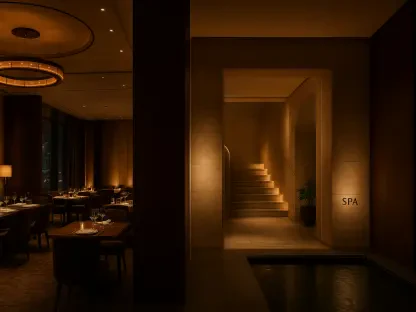
Expansion efforts naturally progressed from the heart of London into some of the most prestigious districts in the world, including Knightsbridge and Chelsea. This local success provided the necessary capital and brand recognition to pursue international ventures in markets such as Paris, Qatar, and Saudi Arabia. Each new territory required a nuanced understanding of cultural differences while maintaining the Italian-inspired essence that defined the brand. In 2026, the group continues to strengthen its presence in these regions by tailoring menu offerings to local tastes without sacrificing the signature patisserie items that built its reputation. The ability to integrate into different urban landscapes while retaining a cohesive brand voice has been a cornerstone of its international success. Moreover, the transition from a food-focused business to a broader hospitality entity is evident in the operation of the Grand Concerto Hotel, capturing a larger share of the global travel market.
Culinary Heritage: Integrating Traditions With Global Hospitality
To honor the thirty-year journey, the culinary team developed a program titled 30 Iconic Dishes for 30 Years, which features a meticulously curated selection of historical favorites and contemporary innovations. This initiative allows long-time patrons to revisit flavors from the past while introducing newer customers to the heritage of the brand. The menu emphasizes the expertise in patisserie and afternoon tea that has remained a primary draw for three decades. Beyond the gastronomic offerings, the celebration incorporates interactive elements such as daily giveaways and live musical performances. These events are designed to transform a standard dining visit into a memorable social occasion, reinforcing the emotional connection between the brand and its community. By blending archival menu items with modern presentation, the company demonstrates its ability to evolve without losing sight of the traditions that first brought it success. This interactive strategy ensures that the anniversary is shared.
The organization successfully leveraged its three-decade legacy to transition into the competitive luxury hotel sector, signaling a shift toward more integrated hospitality experiences. The management prioritized the creation of multi-generational loyalty by focusing on the personal milestones that customers frequently celebrated within their establishments. This strategic focus proved that high-end service could be scaled across different sectors if the core values of the brand remained intact. Moving forward, hospitality leaders were encouraged to consider how archival menu data and customer feedback could be used to drive future product development. The anniversary festivities provided a clear roadmap for how heritage brands balanced tradition with the need for modern innovation. Stakeholders looked toward expanding the hotel footprint into other major European capitals, applying the same principles of approachable elegance that defined the original cafe. Diversification remained the key pillar for long-term viability.