
Hosting a successful dinner party often feels like an exhausting marathon where the individual in charge spends more time hovering over a simmering stove or scrubbing glassware than actually engaging with the guests who have traveled to attend the event. This common struggle highlights the inherent friction between logistical necessity and the social purpose of a gathering. Amber Mayfield Hewett, a prominent figure in the event planning industry, posits that the solution lies in the rigorous application of corporate-level strategic frameworks to the domestic sphere. By viewing a casual home gathering through the lens of a professional playbook, hosts can transcend the immediate stress of the menu and redirect their energy toward the overall guest experience. This transition from planning high-profile corporate activations to curating home guides allows for the democratization of sophisticated management techniques. Such an approach treats every gathering as a case study in brand storytelling, ensuring the host is just as engaged as the guests.
Strategic Foundations: Applying Professional Psychology to Personal Gatherings
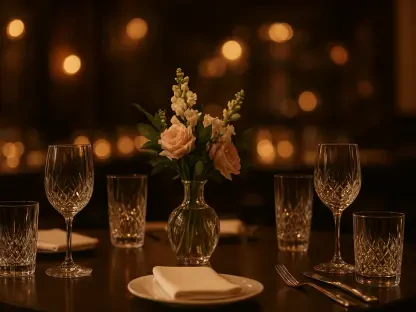
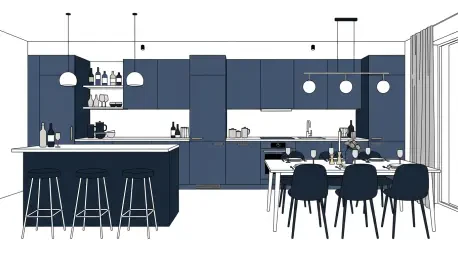
A core pillar of professional event strategy involves the deliberate elevation of the small detail, focusing on the psychological impact of design choices to dictate the atmosphere. For instance, color theory is frequently utilized in professional settings not just for its aesthetic appeal, but as a specific psychological tool to influence guest moods and energy levels. By intentionally moving away from the minimalist and neutral palettes that have dominated residential design for years, a host can embrace vibrant jewel tones or deep, warm hues to create an inviting atmosphere that naturally encourages social interaction. These color choices serve as subconscious cues that signal the transition from the sterile environment of a workday to the warmth of a celebratory evening. When a room is bathed in colors that evoke comfort and richness, guests feel more at ease, which significantly lowers social barriers. This level of foresight transforms a room into a vessel for specific emotional outcomes.
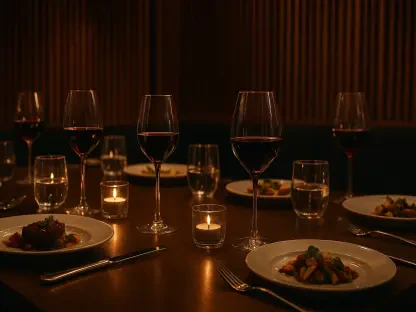
Storytelling serves as the essential backbone of successful event design, transforming a standard living room into a fully immersive environment that tells a cohesive narrative. Instead of relying on generic decorations or standard floral arrangements, a professional strategy involves creating tactile experiences that allow guests to interact directly with a theme. This method shifts the primary focus of the evening from the specific food items being served to how the space itself makes the people within it feel over time. By incorporating elements like textured linens, unique lighting schemes, or curated background sounds that align with the evening’s narrative, the host turns a simple dinner into a memorable experience. Every element, from the weight of the flatware to the scent of the candles, is treated as a chapter in a broader story about hospitality. When guests perceive a clear and consistent narrative through these physical touchpoints, they are more likely to engage deeply with the environment and each other.
Logistical Mastery: Operational Tactics for Seamless Execution
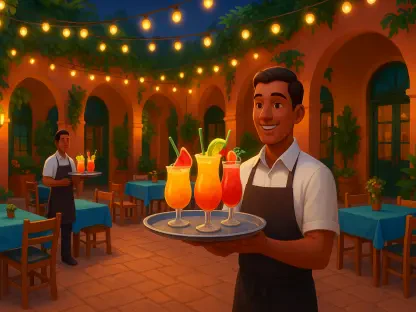
One of the most persistent pitfalls for any modern host is what professionals call “absent host” syndrome, a state where the individual in charge is too preoccupied with logistical minutiae to participate in the conversation. Professional event strategy solves this common issue through meticulous logistical planning and the adoption of efficiency-driven shortcuts that do not sacrifice quality. One such tactic is the use of high-quality, pre-made cocktails or pre-batched beverages, which significantly minimizes the time spent behind a bar measuring ingredients. By streamlining service tasks before the first guest even arrives, the host can prioritize human connection over the mechanical aspects of hospitality. These intentional choices are not about cutting corners, but rather about valuing the host’s presence as the most important element of the gathering. When the person in charge is visibly relaxed and available for conversation, it sets a relaxed tone for the entire group, removing the tension of entertaining.
Modern gathering trends increasingly highlight the necessity of bridging the gap between digital inspiration and physical execution to create a truly modern aesthetic. An innovative example of this is the implementation of what can be described as an “IRL Pinterest board,” where physical images and tactile installations replace traditional branding or stale decor. This technique allows guests to engage with the event’s specific vision in a three-dimensional way, making the content of the party feel more accessible and interactive. Instead of looking at a screen, guests can see mood boards, fabric swatches, or artistic references integrated into the table settings or wall displays. This creates a sense of curiosity and provides immediate talking points for guests who may not know each other well. By bringing these conceptual inspirations into the physical realm, the host demonstrates a level of curation that is typically reserved for high-end corporate launches or gallery openings and high-level events.
Social Dynamics: Adaptability and the Social Engineering of Space
A master planner understands that flexibility is often far more important than a rigid schedule, especially when navigating the unpredictable nature of social dynamics. Professional strategy involves meeting the audience exactly where they are at any given moment, which might require adjusting the environment in real-time to suit the guests’ shifting interests or energy levels. Whether it is projecting a major sporting event silently on a far wall or subtly changing the tempo of the music to match the room’s growing intensity, an adaptive host ensures the comfort of the crowd remains the top priority. This ability to pivot without appearing stressed is a hallmark of a seasoned professional. It requires the host to be an active observer of the room, noticing when a conversation is flagging or when a particular area of the house is becoming overcrowded. By making small, invisible adjustments to lighting or seating, the host can guide the flow of the evening toward a more natural and enjoyable conclusion for all.
Social engineering is another critical component of the professional’s toolkit, specifically aimed at reducing guest anxiety and sparking spontaneous conversation. By placing dedicated conversational prompts on glassware or in small communal bowls strategically located around the room, the host acts as a silent social lubricant. These tactical insights help guests navigate the potentially awkward entry into a room or the initial integration into a new group of people they have never met before. Instead of relying on standard icebreakers, these prompts can be tied to the evening’s theme or the shared interests of the attendees, making the entire experience feel effortless and natural. This level of strategic intervention removes the burden of small talk from the guests, allowing for more meaningful connections to form more quickly. When the environment is engineered to support interaction, the social friction of the evening disappears, leaving behind a sense of community and ease that defines the most successful gatherings today.
Strategic Legacy: The Future of Intentional Socializing
Transitioning the role of the host from a traditional domestic provider to a creative director and logistical manager represents a significant evolution in residential entertaining. This shift requires a focus on the structural integrity of the event, ensuring that the behind-the-scenes systems are robust enough to support the creative vision without failure. By applying management principles such as time-blocking and vendor coordination—even if the “vendors” are just local specialty shops—a host can manage complex menus and entertainment schedules with ease. This professional mindset encourages the host to anticipate potential bottlenecks, such as a crowded entryway or a slow bar service, before they actually occur. When the logistical framework is solid, the creative elements of the party are allowed to shine, as there is no fear that the functional aspects of the evening will collapse under pressure. This dual focus on both the practical and the imaginative is what distinguishes a truly professional strategy.
The adoption of professional strategies for domestic hosting fundamentally altered the way individuals perceived the relationship between hospitality and logistics. By implementing specific psychological tools and operational frameworks, hosts effectively minimized the traditional stresses associated with entertaining while maximizing the emotional impact of their gatherings. Moving forward, the most successful hosts focused on the integration of smart home technology to automate the environmental adjustments that were once done manually. They began to utilize data-driven insights from previous events to refine guest lists and menu selections, ensuring a higher degree of social compatibility and satisfaction. The transition toward a more structured yet flexible approach allowed for a new era of social interaction where the focus remained squarely on human connection. Those who embraced these professional-grade techniques discovered that the true art of hosting resided in the ability to vanish into the role of a participant.