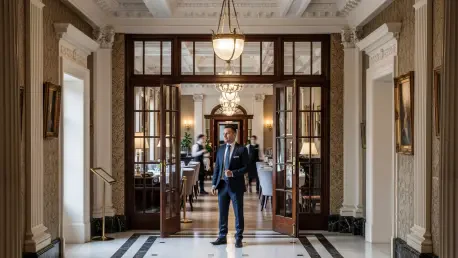

The landscape of high-end hospitality is currently undergoing a significant transformation as established brands prioritize the return of seasoned leaders to steer their most iconic flagship properties. This movement toward institutional stability reflects a broader industry recognition that deep-rooted brand knowledge is the most effective tool for navigating the complexities of modern luxury markets.
Industry analysts observe that John Sutherland’s reappointment provides a stabilizing force for the Covent Garden landmark. His return represents a strategic effort to protect the property’s unique identity as it transitions from a high-profile opening into a period of long-term operational excellence.
A Strategic Homecoming within the Global Luxury Hospitality Landscape
Strategic leaders often favor returning to familiar grounds where their past successes can be leveraged to address current market challenges. This homecoming is viewed as a pivotal moment for the property, ensuring that the original vision of the brand remains the primary focus.
By anchoring the hotel with a leader who understands its specific cultural nuances, the brand safeguards itself against the generic quality often found in luxury chains. This approach allows the landmark to maintain its competitive edge in a crowded London market.
Strengthening Brand DNA Through Experienced Leadership
Leveraging the “NoMad Veteran” Advantage for Operational Consistency
Sutherland’s seventeen-year career provides a wealth of experience, particularly from his roles on the pre-opening teams in both New York and London. This tenure ensures that the boutique soul of the hotel remains consistent even as operational scales increase.
His previous experience as Interim General Manager allowed him to establish a solid commercial foundation. This historical perspective is vital for maintaining the high standards expected by a discerning global clientele.
From Park Hyatt to Covent Garden: Integrating Diverse Commercial Perspectives
Spearheading the launch of Park Hyatt London River Thames added a layer of competitive intelligence to his professional repertoire. This experience introduced fresh perspectives on how to manage large-scale commercial strategies within the UK lodging sector.
Integrating these diverse insights helps the property move past its initial launch phase toward stabilized growth. The ability to balance high-volume culinary operations with intimate guest services is a hallmark of this refined management style.
Preserving Architectural Heritage at the Historic Bow Street Magistrates’ Court
Managing a Grade II-listed property requires a specialized understanding of how to honor historical significance while providing modern luxury. The adaptive reuse of the former court building demands a leader who can bridge the gap between architectural preservation and guest expectations.
Industry experts suggest that heritage properties cannot rely on aesthetics alone. High-touch service led by experts who understand the building’s narrative is essential for creating a truly authentic and memorable atmosphere.
The Macro Trend of Executive Continuity in Elite European Hospitality
Similar leadership shifts are occurring at prestigious venues like Restaurant Andrew Fairlie and Taj Hessischer Hof. These moves indicate a tactical response to labor shortages by securing proven talent that requires minimal onboarding.
This reliance on executive continuity helps combat market volatility across the UK and Continental Europe. Strategic re-hires are becoming a preferred method for ensuring that guest loyalty remains high during periods of economic fluctuation.
Key Takeaways for Maintaining Competitive Advantage in Luxury Lodging
Leadership continuity serves as a primary defense for a hotel’s reputation and commercial viability. Organizations that prioritize the return of former executives often see a more seamless integration of brand values into daily operations.
Actionable strategies for hospitality groups should include maintaining strong relationships with alumni to facilitate future re-hiring. Best practices involve using these leaders to weave historical property narratives into the modern guest journey.
Defining the Future of Sophisticated Guest Experiences at NoMad London
The return of established expertise solidified the hotel’s market position and reinforced its core values. It was a clear indication that the synergy between individual talent and heritage property values was essential for long-term success.
Management successfully used this deep institutional knowledge to navigate the evolving demands of the global traveler. This strategic alignment ultimately ensured that the property remained a premier destination within the competitive luxury landscape.