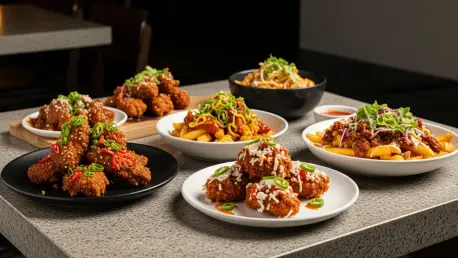

The familiar tang of traditional buffalo sauce is rapidly losing its crown as adventurous diners across the United States demand a more complex marriage of flavors that challenge and satisfy the tongue simultaneously. This “swicy” revolution represents a departure from binary flavor choices, signaling a move toward a culinary landscape where sweet and spicy elements coexist in every bite.
As limited-time offerings become the primary engine for consumer engagement, brands are moving away from subtle seasoning in favor of bold, contrasting profiles that command attention. These ephemeral menu additions allow restaurants to test the limits of consumer bravery while maintaining high interest through the lure of exclusivity and novelty.
The Evolution of the American Palate Toward High-Impact Flavors
The resurgence of high-impact flavors like sweet heat and loaded comfort foods reflects a broader shift in consumer behavior toward sensory-rich dining experiences. Today, diners seek a specific combination of novelty and nostalgia that addresses a dual need for excitement and satiety.
This trend highlights how restaurants are using complex flavor layering to differentiate themselves in a saturated market. By turning standard menu items into viral events, brands are successfully navigating a competitive industry through high-sensory food profiles that appeal to both younger and older generations.
Why Contrast and Indulgence Define the Current Culinary Climate
The sweet heat trend is best exemplified by the integration of global spices with sugary bases, such as Papa Murphy’s Hulapeño Pizza. This dish pairs jalapeños and pepperoni with pineapple and a Thai chili sauce drizzle to create a multifaceted taste profile.
This fusion logic extends to poultry, with Bonchon’s savory-spicy Gold Dust rub and Detroit Wing Company’s tangy Carolina Gold Sauce. These innovations demonstrate that the American consumer is no longer satisfied with one-dimensional heat, preferring instead a balance of tang and sugar.
Decoding the Wave of Sweet Heat and Heavy Comfort Sides
Simultaneously, the industry is pivoting toward loaded sides that function as indulgent, shareable appetizers or full meal replacements. Detroit Wing Company’s Garlic Parm Loaded Mac N’ Cheese and Chicken Bacon Ranch Loaded Fries cater to the snackification of the American diet.
Bonchon is following a similar path by introducing Korean-style Cheese Balls, a sweet and savory side intended for sharing. These additions provide more filling options within the snack category, allowing customers to build a customized dining experience out of high-impact side dishes.
The Strategic Shift Toward Dietary Inclusivity and Retail Expansion
Beyond immediate menu updates, industry leaders are identifying long-term growth through diversification and brand accessibility. Research into consumer preferences shows a growing demand for plant-based alternatives that do not sacrifice flavor, leading brands like Southern Jerks HTX to introduce Vegan Wings.
Furthermore, the transition from the restaurant table to the grocery shelf is accelerating through the launch of bottled products. Sweet Jerk Chili Sauce allows brands to maintain a presence in customers’ homes, while Whataburger uses seasonal fruit-forward peach shakes to balance out the heavier profiles.
Frameworks for Implementing Bold Flavor Innovations
To successfully capitalize on these trends, restaurants focused on a three-pronged strategy for menu development. They utilized high-low flavor profiles by pairing affordable base ingredients with premium, high-impact sauces like chili-infused honey or gold-dust rubs. This approach maintained margins while delivering the intense sensory experiences that modern customers expected from top-tier establishments.
Additionally, operators optimized the loaded category by ensuring sides remained structurally sound for delivery, focusing on toppings that maintained texture. They bridged the gap between dining segments by offering inclusive options—such as plant-based proteins or seasonal fruit beverages—to ensure the menu appealed to a wide demographic without losing its bold identity. These frameworks provided a sustainable path for brands to navigate the competitive culinary landscape effectively.