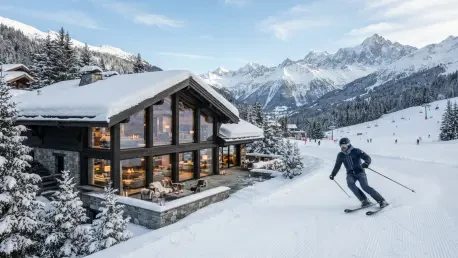

Direct ski-in and ski-out access remains a primary feature, allowing guests to transition seamlessly from their private home to the Courchevel slopes. The announcement of this major expansion marks a pivotal moment for the LVMH-owned brand as it debuts two ultra-luxury private chalets in December 2026. Located within the prestigious Jardin Alpin area, these residences are positioned to offer an unparalleled level of privacy and space. The development includes a five-bedroom residence of 900 square meters and a sprawling nine-bedroom chalet measuring 1,500 square meters. Together, they can be unified into a singular 2,400-square-meter estate, making it one of the largest private footprints in the region. This strategic growth addresses a specific demand among global elites who seek the seclusion of a personal mountain home paired with the sophisticated services of the original Alpine Maison. By blending architectural heritage with modern structural innovation, Cheval Blanc is redefining the boundaries of mountain hospitality.
Alpine Evolution: A New Standard for Residential Living
Sophisticated Interiors and Artistic Mastery
Architect Peter Marino has crafted the interior narrative to avoid the typical tropes of luxury lodging, opting instead for a “Mountain Chic” aesthetic that emphasizes a highly curated sensory experience. The visual language of the chalets is defined by warm textures and bespoke furniture that invite comfort while maintaining a grand scale. Notable artistic contributions include intricate straw marquetry by the celebrated French artist Lison de Caunes and expansive landscape frescoes by Brazilian artist Vik Muniz. One of the dining rooms in the larger chalet serves as a dedicated art gallery, showcasing a Muniz installation that mirrors the dramatic peaks visible through the floor-to-ceiling windows. This integration of fine art is not merely decorative; it is fundamental to the character of the residence. Additionally, the olfactory experience is carefully managed, with the brand’s signature fragrance infused throughout the sleeping quarters, ensuring a consistent sensory journey.
Personalized Hospitality and Private Staffing
Central to the appeal of these new residences is a shift toward a truly private hospitality model, where the service is as exclusive as the accommodations themselves. Rather than relying on the general staff from the main hotel, each chalet is supported by a dedicated on-site team trained to anticipate the specific needs of its occupants. This team includes professional “Majordomes,” or private butlers, who manage every logistical detail of the stay, from coordinating travel to managing daily schedules. Private culinary specialists are also on hand to operate the professional-grade kitchens found within each residence, allowing for tailored menus and dining times that align perfectly with the preferences of the guests. This “home-away-from-home” philosophy ensures that every requirement, whether it is the preparation of professional-grade ski equipment or the arrangement of private events, is handled with absolute discretion and precision, providing a level of service that surpasses traditional hotel standards.
Market Strategy: Elite Amenities and Industry Growth
Comprehensive Wellness and In-House Entertainment
The technical and recreational infrastructure of these chalets is designed to ensure that guests have access to a comprehensive suite of amenities without ever needing to leave the privacy of their residence. Each chalet features a dedicated wellness level, including double-height swimming pools, saunas, hammams, and state-of-the-art fitness rooms. To bring the renowned hotel spa experience directly to the guest, specific rooms are set aside for Guerlain spa treatments, allowing for professional wellness sessions in a completely private setting. Beyond physical relaxation, the residences provide sophisticated entertainment options such as in-house cinemas and private wine cellars for intimate tastings. For younger guests and enthusiasts of modern technology, the high-tech gaming rooms are equipped with Formula One and multi-sport simulators. These facilities reflect a growing trend where luxury travelers expect total self-sufficiency within their accommodations, blending fitness, leisure, and high-end technology into one seamless environment.
Strategic Growth in the Exclusive-Use Market
The introduction of these private chalets represents a significant strategic move in the context of the evolving global luxury market. In 2026, there is a distinct shift toward “exclusive-use” properties as high-net-worth travelers increasingly prioritize security and seclusion over communal hotel experiences. By expanding its footprint with standalone residences that offer direct ski-in and ski-out access, Cheval Blanc is positioning itself to capture a larger share of the market that values the flexibility of a private home without sacrificing five-star amenities. This evolution also reflects a broader industry trend where legacy brands are diversifying their portfolios to include residential components that cater to multi-generational travel and extended stays. The focus is no longer just on providing a room, but on creating a self-contained ecosystem that offers a sanctuary from the outside world. This development reinforces the brand’s position as a leader in the French Alps, ensuring that it remains the preferred destination for those for whom privacy and personalized service are the ultimate commodities.
Future Considerations: Luxury Mountain Residences
The debut of the new chalets in Courchevel demonstrated that the fusion of high-level artistry and private hospitality was the most effective way to meet the rising demands of elite travelers. By prioritizing bespoke craftsmanship and dedicated staffing models, the project established a new benchmark for winter season accommodations. For developers and investors in the luxury space, the takeaway was clear: success in the ultra-high-end segment required moving beyond standard luxury toward creating unique, culturally rich environments. Looking ahead, the focus shifted toward integrating advanced technology and sustainable materials, such as the charred timber used in these interlocking facades, to ensure longevity and aesthetic relevance. Future projects will likely need to emphasize these personalized wellness and entertainment suites as standard features rather than optional extras. The strategy utilized here confirmed that the integration of private residences within a hotel framework provided the ultimate balance of autonomy and service, shaping the trajectory of the market for the coming seasons.