
Through its core values of Faith, Attitude, Consistency, and Excellence, FACE Amusement Group manages a diverse portfolio of hospitality venues while prioritizing community service efforts. This commitment to philanthropy took center stage during the recent 31st Annual NYC Buddy Walk, a landmark event organized by the National Down Syndrome Society. By weaving together the excitement of high-end entertainment with a profound sense of social duty, the organization demonstrated how corporate influence can be leveraged for meaningful advocacy. The gathering in the heart of New York City was a vibrant celebration of inclusion. Thousands of individuals gathered to challenge outdated stigmas and showcase the achievements of the Down syndrome community. This collaboration highlights a broader trend where business leaders look beyond profit margins to foster genuine human connections and support vulnerable populations in a tangible and lasting manner.
Advocacy and Inclusion: Impact of the NYC Buddy Walk
The NYC Buddy Walk has long served as one of the premier advocacy platforms in the United States, drawing over 2,500 participants to iconic locations like Times Square and Central Park. This year, the energy was palpable as families and advocates united to amplify the voices of those with Down syndrome. The event functions as a catalyst for shifting public perceptions, moving the needle from mere awareness to active inclusion. By occupying such visible public spaces, the walk forces a necessary conversation about the barriers that still exist for individuals with developmental disabilities. The presence of FACE Amusement Group added a layer of joy and corporate backing that underscored the importance of community visibility. Their involvement provided more than financial support; it offered a physical representation of values. Such events are critical for ensuring that advocacy remains a central focus for both the public and private sectors.
Beyond the visibility provided by the march, the partnership with the National Down Syndrome Society reflects a sophisticated approach to community engagement. The NDSS works tirelessly to drive policy changes and provide essential resources, but these efforts require the sustained support of the business community to reach their full potential. By aligning with a high-profile hospitality group, the society can tap into new demographics and spread its message of empowerment more effectively. This synergy creates a platform where the achievements of individuals with Down syndrome are recognized and celebrated with the dignity they deserve. The focus remains on expanding opportunities in education and employment, ensuring that every person has the chance to contribute to society. This strategic alignment serves as a model for how non-profits and corporations can work together to create a more equitable future for everyone involved in the advocacy movement.
Philanthropy in Motion: The Bear Hugs Initiative
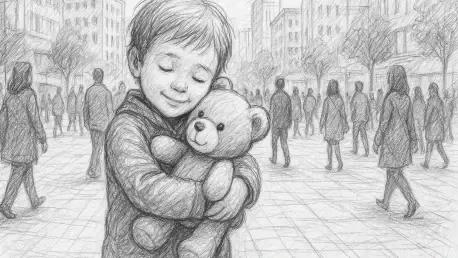
Central to this collaboration was the “Bear Hugs” philanthropic program, a unique initiative that bridges the gap between entertainment and charitable giving. Operating on a “win-one, give-one” model, the program ensures that every time a guest wins a plush bear at a participating venue like Arcade City or Guy Fieri’s Downtown Flavortown, a matching bear is donated to a child in need. To date, this initiative has resulted in the donation of over 20,000 bears to local first responders and national non-profits. At the NYC Buddy Walk, this meant every participant in Central Park received a teddy bear, a gesture intended to provide a tangible reminder of the community’s support. This model is particularly effective because it engages the consumer in the act of giving, making the philanthropic process transparent. It transforms a simple moment of leisure into an opportunity for collective impact, proving that small tokens of kindness can scale into significant contributions.
In the end, the collaboration at the 31st Annual NYC Buddy Walk established a clear roadmap for how entertainment groups can integrate social responsibility into their core business operations. The successful distribution of thousands of bears demonstrated that tangible symbols of care effectively supplemented broader advocacy goals. Organizations looking to replicate this success focused on creating programs that were naturally aligned with their brand identity, much like how a hospitality group chose a gift symbolizing comfort. Future efforts prioritized long-term partnerships over one-off donations to ensure a sustained impact on the communities they served. By analyzing the results of this event, it became clear that the most effective corporate citizenship involved active participation rather than passive sponsorship. Business leaders sought out localized opportunities for engagement that resonated with their customer base. This ensured inclusion remained at the forefront.