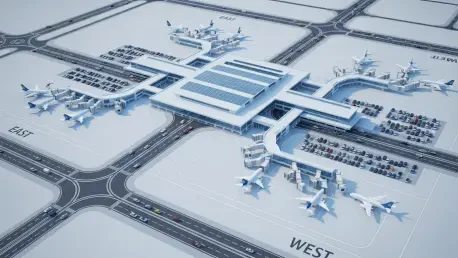

Navigating the bustling corridors of Jinnah International Airport in Karachi often presents a complex set of challenges for even the most seasoned global travelers who are accustomed to modern aviation hubs. As the primary gateway to Pakistan’s largest metropolis, the airport functions as a critical nexus connecting the region to the rest of the world through a sophisticated network of domestic and international flight paths. Understanding the specific layout of the facility, which underwent significant organizational shifts leading up to 2026, is essential for ensuring a stress-free transition from the tarmac to the city streets. Travelers must be prepared to manage multiple checkpoints, fluctuating crowd densities, and a variety of logistical requirements that are unique to the Pakistani aviation environment. By mastering the nuances of terminal navigation and administrative protocols, passengers can transform what might otherwise be a chaotic experience into a streamlined and efficient journey that honors the pace of this vibrant economic center. This guide serves as a detailed roadmap for managing the infrastructure and procedures required for a professional transit.
1. Understanding Terminal Infrastructure and Airline Hubs
The core of passenger operations resides within the Jinnah Terminal Complex, which is divided into distinct zones to manage the flow of traffic effectively. The East Satellite is exclusively dedicated to international departures and arrivals, serving as the main entry point for those flying in from overseas destinations. Conversely, the West Satellite manages all domestic flight operations, catering to the significant volume of internal travel within Pakistan. Understanding this separation is the first step in successful navigation, as it prevents confusion when looking for boarding gates or meeting areas. Pakistan International Airlines maintains its headquarters within this central complex, operating alongside a vast array of domestic and international carriers that utilize the facility as their primary Pakistani hub. The terminal’s design reflects a strategic effort to separate these distinct travel streams, although the sheer scale of the building requires passengers to pay close attention to directional signage throughout the day. This careful segregation allows for a more organized processing of passengers during peak hours when the volume of travelers can increase exponentially across both sectors.
Beyond the main passenger complex, Jinnah International Airport includes several auxiliary terminals that serve specialized functions rather than daily commercial flights. Terminal 2 is utilized specifically for seasonal Hajj charter operations, coming alive during the pilgrimage season to facilitate the movement of thousands of travelers to and from Saudi Arabia. Meanwhile, Terminals 1 and 3 are repurposed buildings that primarily house the offices of the Civil Aviation Authority, meaning they do not handle regular passenger traffic or scheduled commercial departures. Newcomers should be careful not to mistake these administrative zones for departure gates, as they are often located in adjacent areas but remain inaccessible to those without specific government or aviation clearance. By focusing solely on the Jinnah Terminal Complex for standard travel needs, one can avoid the common mistake of wandering into these non-passenger zones. This organizational structure ensures that the primary terminal remains focused on the needs of the modern traveler while supporting secondary aviation needs. This high-level view of the airport’s physical footprint is essential for anyone aiming to traverse the facility with speed and confidence.
2. Managing International Arrival and Transition Protocols
When landing from an international destination, the journey from the aircraft to the public exit involves a strictly sequenced series of bureaucratic and logistical steps. The first checkpoint is Passport and Visa Control, where passengers must identify the correct queue based on their legal status, such as Foreigner, Diplomat, Pakistani Passport Holder, or Overseas Pakistani. Having travel documents and entry permits readily accessible is vital for ensuring a quick inspection by immigration officials. Once cleared, passengers move into the arrivals hall where complimentary luggage carts are provided for convenience. Digital displays clearly indicate which carousel corresponds to specific flight numbers, making it easy to locate checked items. For those requiring physical assistance with heavy bags, paid porter services are available on-site to help transport luggage through the final security layers. This initial phase of the arrival process sets the tone for the rest of the visit, emphasizing the importance of organization and situational awareness in a high-traffic environment.
The final hurdles of the international arrival process involve customs clearance and the transition to the domestic wing for those with connecting flights. Travelers with no items to declare should utilize the Green Channel, while the Red Channel is reserved for those carrying goods that require duty payments or restricted items. It is important to note that customs officials frequently conduct random checks in both lanes to ensure compliance with national regulations. After passing through customs, travelers can exit to the ground transport area or proceed to the West Satellite if they have a local connection. To transfer successfully, one must first complete the full international arrival process before checking in for the domestic leg of the trip. This requirement to clear customs even for transit flights is a crucial detail that often surprises international visitors. By anticipating this double-check system, travelers can better manage their time and ensure they reach their domestic departure gate without unnecessary stress or delay.
3. Selecting Ground Transportation and Urban Mobility
Choosing the right mode of transportation from Jinnah International to the city center is a critical decision that impacts both budget and safety. Official taxi booths are located within the arrival halls and the main concourse, offering 24/7 service through established companies like Metro Radio Cab and White Cab. These vehicles are generally considered the safest and most reliable option for newcomers, but it is always recommended to confirm the total price and any additional airport fees before departing. While these services provide a direct and convenient link to the city, the pricing can be higher than other modern alternatives. However, the presence of dedicated staff and a managed queue system offers a layer of security that many travelers find worth the premium. Understanding the layout of these booths and the official car park is essential for avoiding unauthorized touts who may approach passengers outside the designated zones. This formal transport system remains the backbone of airport-to-city connectivity for the majority of international visitors.
For those seeking more modern or cost-effective solutions, digital ride-hailing apps and public transit offer viable alternatives to traditional taxis. Platforms such as inDrive, Yango, and Bykea allow users to book rides directly through their smartphones, often at lower rates than airport-based cabs. It is important to remember that Uber and Careem are no longer operational in Karachi, so downloading the active local apps before arrival is a necessary preparation. Passengers should follow the specific pickup instructions provided within these apps, as drivers often wait in designated areas of the parking lot rather than at the terminal curb. Alternatively, for those traveling with minimal luggage, local buses run along Shahra-e-Faisal, which can be reached via the airport access road. This is the most economical choice available, though the service frequency may drop significantly during late hours or public holidays. Balancing cost, convenience, and security will lead to the best transportation outcome for every unique traveler profile entering the city.
4. Utilizing Specialized Support Services and Accessibility Features
To enhance the travel experience, Jinnah International offers several passenger facilitation services designed to alleviate the physical and administrative burdens of transit. The Passenger Facilitation Service provides professional porters who can be hired to manage luggage for a fixed fee. As of current rates, this service costs approximately Rs 200 for domestic travelers and Rs 400 for international travelers, providing a reliable way to navigate the terminal with heavy bags. Additionally, the Civil Aviation Authority maintains information counters throughout the terminal to assist with general inquiries regarding flight schedules and facility locations. For overseas Pakistanis, a dedicated One Window Facilitation Desk is available 24 hours a day in the international arrivals section to provide specific administrative support. These resources are designed to bridge the gap between complex airport operations and the individual needs of the traveler. Leveraging these professional services can significantly reduce the complexity of the journey, particularly for those arriving in Karachi for the first time.
Ensuring accessibility for passengers with limited mobility is another priority for the airport administration, though it requires proactive coordination. It is highly recommended that travelers request a wheelchair or special assistance through their airline at least 48 hours before their scheduled flight to guarantee availability. Once on the ground, CAA staff stationed at facilitation desks can provide additional support to help move through the various checkpoints and terminal satellites. The airport’s infrastructure includes ramps and elevators to accommodate mobility aids, but the high density of crowds can make independent navigation challenging during peak times. By securing assistance in advance, passengers can ensure they receive the necessary help from the moment they land until they reach their ground transportation. This focus on accessibility reflects a broader commitment to inclusive travel standards within the Pakistani aviation sector. Understanding these support systems is vital for maintaining comfort and dignity throughout the entire transit process at Jinnah International.
5. Strategic Recommendations for Efficient Future Travel
Preparation for departure requires a disciplined approach to timing and documentation to ensure a smooth exit from Karachi. International travelers were advised to reach the airport at least four hours before their flight, while domestic passengers typically required a two-hour lead time to manage local security checks. Essential paperwork included the flight ticket and a valid government-issued ID, such as a CNIC for locals or a passport and visa for foreign nationals. A unique requirement for international departures was the mandatory polio vaccination record, which was often checked before boarding. These certificates were available for free at the airport’s emergency health counters, ensuring that even last-minute travelers could comply with health regulations. Following these steps allowed passengers to move through the Airport Security Force inspections with minimal friction. The successful management of these logistical requirements ensured that the departure process remained a predictable and orderly experience for everyone involved in the travel chain.
The successful navigation of Karachi’s main airport was achieved by those who applied these strategies with precision. Passengers who prioritized early arrival and thorough documentation avoided the common bottlenecks associated with peak-hour operations. The implementation of digital ride-hailing solutions and the utilization of professional porter services significantly reduced the physical strain of moving through the terminal. Furthermore, travelers who pre-arranged their health certifications and coordinated specific meeting points in the parking areas experienced much smoother transitions into the city. These proactive measures transformed a potentially overwhelming transit experience into a manageable endeavor. As the regional aviation landscape continued to evolve, the adherence to these protocols remained the most effective way to ensure safety and convenience for all. Moving forward, the integration of these steps offered a blueprint for mastering any large-scale transportation hub within South Asia. Applying these lessons provided a foundation for reliable and professional travel in an increasingly complex global environment.