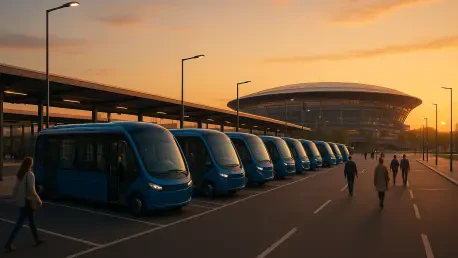

A significant shift in parking logistics grants Season Ticket Members a dedicated 10-day priority window to secure spaces before any remaining inventory is released to the general public. This move represents a foundational change in how Manchester City approaches the matchday environment as the 2026/27 season commences. The club has recognized that the experience begins long before the first whistle blows, necessitating a thorough overhaul of transport links and logistical frameworks. This initiative seeks to integrate regional connectivity with the specific needs of local residents and global visitors alike. By prioritizing high-capacity transport and structured vehicle management, the stadium aims to mitigate the historical challenges of urban congestion during major sporting events. Furthermore, this period marks a transition toward a more data-driven approach to transit, where fan behavior informs the expansion of specific routes. The objective is to create a seamless transition from home to the Etihad, ensuring that the passion of the game is not dampened by the stress of arrival.
Streamlining Your Journey to the Stadium
Enhancing Bus Connectivity and Parking Efficiency
The expansion of the bus network serves as a cornerstone of the revised transportation blueprint, now reaching a total of 91 stops across the Greater Manchester region. This strategic growth includes twelve new locations such as Stockport Grand Central, Prestwich, and East Didsbury, which provide fans with direct access to the stadium without the necessity of traversing the city center. By decentralizing access points, the club is effectively reducing the load on central hubs, which often become bottlenecks during peak matchday hours. These additions reflect a commitment to regional accessibility, ensuring that supporters from the suburbs have a viable alternative to personal car travel.
Efficiency is further enhanced through the reconfiguration of the parking reservation system and the introduction of satellite facilities like the Co-op Academy Belle Vue. This new Park and Ride site offers a critical relief valve for the immediate stadium vicinity by providing a dedicated shuttle link that bypasses traditional traffic snarls. While some underutilized stops and smaller park-and-ride lots have been decommissioned, the focus has shifted toward high-impact locations that offer robust connections to rail and tram lines. This multi-modal approach ensures that even those who choose to drive part of the way can transition smoothly to public transport for the final leg of their journey.
Integrating Digital Solutions and Remote Transit Options
Digital integration plays a pivotal role in modernizing the travel experience, with the implementation of advanced booking platforms and real-time transit monitoring. Fans are encouraged to utilize mobile applications that provide live updates on bus locations and estimated arrival times at each of the designated stops. This transparency allows for better planning, as supporters can adjust their departure times based on current road conditions or transit delays. Moreover, the integration of contactless payment systems across all club-sanctioned travel routes has eliminated the friction often associated with manual fare collection.
The data collected from these digital interactions provides the club with invaluable insights into peak travel times and route popularity, enabling further refinements in future schedules. By leveraging technology, the stadium creates a “smart transit” environment where information is as critical as the physical vehicles themselves. This digital-first mindset ensures that the logistical planners can respond dynamically to changing situations on the ground. The synergy between different modes of transport has been strengthened to create a more resilient network, preventing any single mode from becoming overwhelmed by the sheer volume of matchday attendees.
Navigating Security and Infrastructure Updates
Managing Safety Regulations and Modernization Projects
Safety protocols have reached a new level of sophistication with the formal implementation of the Anti-Terrorism Traffic Regulation Order (ATTRO), a measure designed to safeguard large gatherings. This regulation necessitates temporary road closures and specific vehicle movements following the conclusion of a match, prioritizing pedestrian safety over rapid car egress. While these closures are essential for security, they require fans to be more strategic about their exit plans, as certain traditional routes may be restricted for up to an hour post-game. The club has worked closely with local authorities to ensure these measures are communicated clearly.
To offset necessary delays caused by security protocols, the “load and go” service from Alan Turing Way provides an expedited departure for those using club-sanctioned bus travel. This service allows buses to depart immediately once filled, avoiding the mandatory waiting periods required for vehicles that need security escorts or are caught behind pedestrian-only zones. However, fans should be aware that some shuttle buses may still remain stationary for approximately 25 minutes after the final whistle to allow for the initial surge of foot traffic to clear the immediate exits safely. Choosing the “load and go” option can significantly reduce the total journey time for those in outlying regions.
Promoting Sustainability and Accessibility for All Fans
Sustainability has become a core component of the matchday experience, with new initiatives designed to incentivize active travel among the fan base. Walking and cycling challenges have been introduced, allowing supporters to log their journeys through a dedicated app to win exclusive prizes and discounts. This initiative not only promotes health and wellness but also directly contributes to reducing the carbon footprint associated with matchday operations. To support these active travelers, the club has upgraded the infrastructure around the stadium, including more secure bike storage and improved lighting along pedestrian pathways.
Road surface repairs on Alan Turing Way have also been prioritized to ensure that both cyclists and pedestrians have a smoother and safer experience when navigating the area. Accessibility remains a priority, and during specific summer matches, younger fans under the age of 16 even enjoy free travel on several key routes. This is complemented by infrastructure upgrades, such as the modernization of turnstiles at the Etihad Campus Metrolink stop to handle higher volumes of traffic more efficiently. By framing transit as a participatory activity rather than a passive commute, the club is successfully shifting the culture toward more environmentally friendly options.
Advancing the Standards of Urban Matchday Logistics
The evolution of travel logistics at the Etihad Stadium set a new benchmark for how major sporting venues managed the complexities of urban transit and fan safety. Stakeholders recognized that the successful integration of regional bus expansions and digital priority systems provided a scalable model for other metropolitan arenas. Looking forward, the focus shifted toward further automating the parking experience through smart-sensor technology and exploring carbon-neutral shuttle fleets to eliminate the environmental impact of game-day travel. Supporters were encouraged to maintain their engagement with active travel apps, as the data provided a roadmap for future infrastructure projects, including the potential expansion of dedicated cycle lanes. The transition toward a more structured, priority-based parking system successfully balanced the needs of long-term members with the requirement for public accessibility. These changes necessitated a shift in fan behavior, but the result was a more predictable and secure environment that allowed the spectacle on the pitch to remain the central focus of every visit.