
The traditional postcard view of India is rapidly being replaced by a pulsating live stream of cultural energy, as millions of travelers prioritize the rhythm of a festival over the stillness of a statue. This profound shift marks the beginning of a new chapter in the nation’s tourism narrative, where the destination is no longer a geographical coordinate but a specific moment in time. As the travel landscape matures, the focus is transitioning toward a model built on shared experiences and emotional resonance. The rise of the experience economy is driving this change, compelling travelers to seek out events that offer a deeper sense of belonging and cultural authenticity.
This transformation is particularly visible among city dwellers and the younger Gen Z and millennial demographics, who view travel as a vehicle for personal growth rather than just a leisure activity. The focus has moved from passive observation of historical sites to active participation in global and local celebrations. This article analyzes the reorganization of the travel industry, the psychological factors fueling this trend, and the long-term implications for a market that is increasingly defined by the search for meaningful human connection. By examining current patterns, it becomes clear that the festival is the new cornerstone of the Indian travel experience.
The Dawn of the Experience Economy in Indian Tourism
The emergence of the experience economy is fundamentally altering how Indian voyagers allocate their time and resources during their journeys. In this new paradigm, the value of a trip is no longer derived from the physical comfort of a hotel or the prestige of a famous location, but from the intensity and uniqueness of the experiences encountered. Travelers are increasingly willing to invest in journeys that offer emotional depth and the opportunity to engage with a community. This shift signifies a maturation of the market, where the novelty of global travel is being replaced by a demand for substance and specialized interests.
As the Indian middle class expands, the motivation for travel is evolving from a status symbol to a form of experiential wealth. This is not merely a change in preference but a systemic shift that influences everything from airline routes to local hospitality services. The industry is seeing a rise in “purpose-driven” travel, where the itinerary is a means to an end, whether that end is a musical awakening, a spiritual realization, or a cultural immersion. Understanding this dawn of the experience economy is essential for recognizing why festivals have moved from the periphery to the center of the travel industry’s focus.
From Checklist Tourism to Cultural Immersion
Historically, the Indian travel market operated on a “checklist” philosophy, where success was measured by the number of iconic landmarks visited within a single trip. For decades, the priority was to see the famous structures and natural wonders that defined a region. However, this model is rapidly becoming obsolete as modern travelers seek more than a visual confirmation of what they have seen online. There is a growing realization that visiting a monument provides only a static view of history, whereas participating in a festival offers a dynamic experience of a living culture.
This evolution represents a shift toward “living” a culture rather than just visiting it. Modern travelers are prioritizing sensory-rich environments where they can interact with local traditions, food, and people in a festive setting. This movement toward immersion is driven by a desire for authenticity in an increasingly digital world. By moving away from the checklist model, the Indian market is embracing a more nuanced approach to exploration, one that values the “soul” of a destination over its physical facade. This transition is a crucial background factor in the rise of event-based tourism across the country.
The Mechanics of the Festival-Centric Travel Model
Festivals as the New Anchors of Itinerary Planning
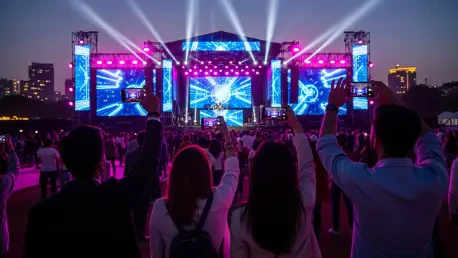
The most notable trend in contemporary Indian travel is the use of major events as “travel anchors” for entire journeys. In this framework, the timing and location of a trip are determined by a specific festival, such as the Rio Carnival or a major electronic dance music event in Europe. The traveler then builds the rest of the itinerary around this core event, often extending the stay to explore the surrounding region. This strategy differs significantly from traditional planning, as it ensures that the trip has a defined emotional peak and a clear purpose from the outset.
Furthermore, this anchor-based model encourages travelers to visit secondary and tertiary cities that they might have otherwise ignored. Because festivals are often held in diverse locations, they act as catalysts for regional exploration. Travelers often engage in localized activities, such as visiting artisan markets or taking part in neighborhood food tours, during the lead-up to the main event. This data-driven trend indicates that festival-goers are spending more time in a single region, leading to a more cohesive and meaningful narrative for their vacation.
Strategic Adaptation Within the Travel Ecosystem
The Indian travel ecosystem is undergoing a significant revolution as service providers adapt to these changing consumer behaviors. Agencies and tour operators are moving beyond the role of simple booking agents to become “experience designers.” They are creating highly specialized, festival-centric programs that provide total immersion into a cultural or musical event. These packages often include exclusive perks like backstage access, meet-and-greets with performers, and curated social events that allow travelers to connect with like-minded individuals.
By offering these integrated experiences, the industry is tapping into a lucrative niche that prioritizes convenience and access. These curated journeys remove the logistical hurdles of planning complex, event-based trips, allowing the traveler to focus entirely on the participatory aspects of the vacation. Whether it is a spiritual gathering in the mountains or a high-energy music festival in a global city, the focus is on providing transformational value. This strategic pivot ensures that the industry remains relevant to a consumer base that values unique experiences over standard luxury.
Digital Influence and the Search for Human Connection
Social media platforms have played a decisive role in accelerating the festival travel trend among the Indian population. The highly visual nature of festivals makes them ideal for sharing on platforms like Instagram and TikTok, creating a powerful sense of “fear of missing out” among peers. However, the driver behind this trend is more than just social validation; it is a genuine search for human connection. Traditional tourism can often feel isolating, but a festival environment naturally fosters a sense of community and shared celebration.
Indian travelers are increasingly reporting that the friendships and cultural exchanges that occur during these events are the most memorable parts of their trips. In a world that often feels digitally disconnected, the energy of a live festival provides a level of emotional fulfillment that museums and monuments cannot offer. This search for community is a defining characteristic of the modern traveler, making festivals a primary vehicle for achieving a sense of global belonging and personal happiness.
The Horizon of Event-Based Exploration
The future of the Indian market is firmly rooted in the expansion of event-driven exploration, both within the country and across international borders. Looking at the projected trends from 2026 toward 2028, there is a clear trajectory toward “slow travel” within the festival context. Travelers are expected to spend longer periods in a region to absorb the cultural atmosphere leading up to a major celebration. Additionally, the domestic sector is seeing a massive surge in popularity for regional events like Durga Puja and the Pushkar Fair, which are now attracting the same level of logistical planning as international trips.
Technological advancements are also expected to streamline this landscape. Artificial intelligence will likely be used to create even more personalized itineraries, while virtual reality may offer previews of festival grounds to help travelers choose their experiences. Government support for “event visas” and cultural tourism initiatives is another factor that will likely make festival travel more accessible. These developments suggest that the act of moving across borders will increasingly be seen as an opportunity to participate in the global calendar of human celebration.
Navigating the New Landscape: Strategies for Success
The current market environment offers several key takeaways for both the travel industry and the individual consumer. For professionals, the most successful strategy involves focusing on authenticity and exclusivity. Rather than offering broad, generic tours, the emphasis should be on niche markets and providing deep access to local culture. Becoming an “experience designer” requires a thorough understanding of the specific subcultures and communities that drive festival participation.
For travelers, the most effective approach is to adopt a “festival-first” planning mindset. This involves identifying a core interest—be it music, art, or spirituality—and allowing that to dictate the travel schedule. Building flexibility into the itinerary is also crucial, as it allows for spontaneous exploration of the host region. By prioritizing genuine engagement over a crowded sightseeing schedule, individuals can ensure that their journeys provide lasting emotional value. Supporting local economies through community-led tours during these festivals also enhances the overall quality of the experience.
Redefining the Purpose of Modern Exploration
The analysis of the Indian tourism sector revealed that the market underwent a fundamental realignment. The shift toward festival-centric travel demonstrated that travelers sought out shared humanity and sensory intensity over the passive consumption of historical sites. This transition favored the emotional currency of experiences, proving that the value of a journey was best measured by the memories created within a community of like-minded individuals.
The data indicated that the strategic pivot by travel agencies toward curated, event-based programs was a successful response to the rising demand for authenticity. This movement effectively reshaped the industry into a more dynamic and culturally rich sector. To maintain this momentum, stakeholders should continue to invest in niche cultural events and sustainable tourism practices that respect local traditions. The long-term significance of this trend lies in its ability to build profound global connections through the universal language of celebration. Moving forward, the industry must remain focused on the human element, ensuring that travel remains a primary source of personal transformation and cultural exchange.