
Historical reenactments in Catoira, Spain, utilize replica 11th-century vessels to simulate medieval Viking raids, drawing global travelers to the Galician coast. This dramatic spectacle is part of a larger trend sweeping across the continent as the mid-point of 2026 arrives. Modern travelers are
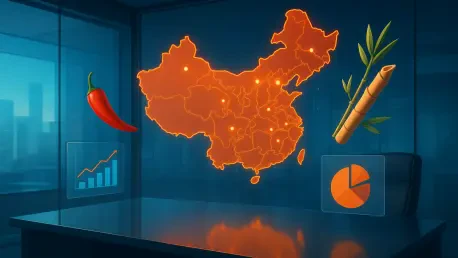
Massive tourism spikes in culturally distinct regions like Quanzhou have paved the way for a culinary movement that values the unique and remote elements of provincial life. This transformation marks a departure from the previous decade’s obsession with nationwide standardization, where major

Sixty-five percent of Millennials report choosing specific vacation destinations primarily to evoke feelings of nostalgia rather than exploring unknown territories. This shift indicates a broader cultural pivot where the novelty of the "new" has been eclipsed by the profound comfort of the "known."

The Taste the Grasslands campaign uses regional specialties like grass-fed beef and wild honey as biological advertisements to convince urban consumers of the region's environmental purity. This initiative represents a fundamental shift in the northern frontier’s development strategy, moving away
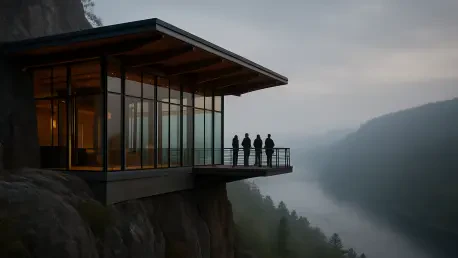
Strategic investments in the Algoma District are designed to give Northern Ontario a competitive edge by capturing a larger share of the international luxury travel market. For decades, the rugged landscapes of the North were viewed primarily through the lens of resource extraction, but a paradigm

Travelers wishing to explore the once-restricted Sha Tau Kok Frontier Closed Area must now navigate a digital permit system through the Hong Kong Police Force's online platform. This transformation marks a pivotal moment in the territory's spatial planning, effectively bridging the gap between