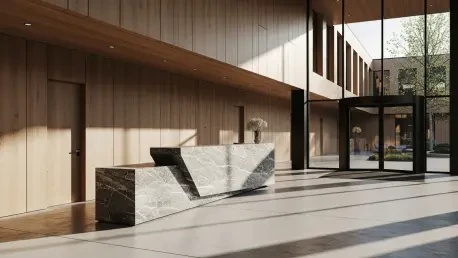

The arrival of MML Hospitality in the Dallas market represents a significant maturation of the city’s urban fabric, moving away from sprawling luxury toward a more intimate, pedestrian-centric elegance. Led by the visionary trio of Larry McGuire, Tom Moorman, and Will Coates, the group has long set the standard for lifestyle aesthetics in Austin, and their expansion into the Knox District signals a new era for North Texas dining. By integrating high-end hospitality with meticulously designed retail and dining spaces, MML aims to create a cohesive ecosystem rather than isolated storefronts. This approach directly challenges the established dominance of flashy social clubs and traditional steakhouses that have historically defined the local upper-echelon experience. As the flagship Hotel Saint Augustine takes shape, the tension between Austin’s relaxed sophistication and Dallas’s penchant for grandiosity creates a fascinating case study in regional brand evolution.
Integrating Boutique Luxury With Neighborhood Identity
The centerpiece of this expansion, the Hotel Saint Augustine, serves as a masterclass in how boutique hospitality can act as a catalyst for neighborhood revitalization without erasing local character. Nestled in the historic Knox District, the property eschews the traditional high-rise hotel model in favor of a low-slung, campus-like structure that prioritizes green space and pedestrian flow. This architectural choice is deliberate, aiming to foster a sense of discovery that is often missing from the city’s more corporate developments. By prioritizing a “garden first” philosophy, the design team has created a sanctuary that feels insulated from the surrounding urban noise while remaining deeply connected to the streetscape. This balance of privacy and accessibility is a hallmark of the MML brand, suggesting that luxury in Dallas is becoming less about being seen and more about the quality of the environment. The ripple effect of this development is visible in the increased interest.
Beyond the lodging component, the group’s culinary strategy involves a multi-layered rollout of concepts that address various niches of the modern diner’s lifestyle. From sophisticated all-day cafes to high-concept dinner destinations, the goal is to provide a curated journey that keeps guests within the brand’s orbit from morning until night. Each venue is characterized by a specific narrative arc, where the interior design, staff uniforms, and even the background acoustics are harmonized to evoke a particular sense of place. This level of detail-oriented curation is what distinguishes MML from larger hospitality conglomerates that often rely on standardized templates across different markets. In Dallas, where competition is fierce, this artisanal approach to scale provides a competitive edge by appealing to a demographic that values authenticity over mere opulence. The success of these venues hinges on their ability to transition seamlessly from casual neighborhood spots to power lunches.
Navigating the Competitive Landscape: Success in North Texas
Adapting the laid-back Austin ethos to the more structured and formal expectations of the Dallas elite requires a delicate recalibration of service standards and menu curation. While Austin thrives on a certain rugged individualism and bohemian flair, the Dallas market has traditionally rewarded consistency, formality, and a clear hierarchy of social prestige. MML Hospitality must therefore bridge this cultural divide by maintaining its signature cool while elevating the “white-glove” aspects of its operations to satisfy local tastes. This involves hiring seasoned industry veterans who understand the nuances of the Dallas social scene and can navigate the complexities of local brand loyalty. The shift is not merely about food quality, which is already established, but about the theater of dining and the way a space makes its occupants feel. If the group can successfully export its vibe while respecting the local heritage, it may set a new blueprint for how regional hospitality brands expand.
The expansion of MML Hospitality into the Dallas market ultimately functioned as a catalyst for a broader transformation in the regional approach to luxury development. To capitalize on this shift, stakeholders prioritized the creation of “third places” that functioned as extensions of the home rather than just commercial destinations. Industry leaders recognized that the key to longevity lay in fostering deep community roots and emotional resonance with the local population. Moving forward, the industry adopted more rigorous standards for environmental integration and architectural harmony, ensuring that new developments enhanced rather than overwhelmed their surroundings. Those who sought to replicate this success focused on the intersection of design, narrative, and service, understanding that a brand’s identity was as much about the atmosphere as the product. This strategic evolution ensured that the city remained a global destination for culinary innovation while preserving the local character.