
The hospitality landscape in the first quarter of 2026 has witnessed a remarkable transformation as hotel operators successfully navigated the dual challenges of escalating wage demands and a competitive talent market. Despite a significant uptick in labor expenses, many major hotel chains and independent boutiques reported stable profit margins due to aggressive adoption of operational efficiencies. This shift was largely driven by a necessity to balance the books after statutory minimum wage increases and a persistent shortage of skilled service workers. Industry data indicates that while labor costs rose by an average of five percent across the sector, the corresponding revenue per available room continued to grow, aided by a streamlined service model that emphasizes quality over quantity. Modern travelers have increasingly accepted these modifications, recognizing that digital interactions often provide more speed and accuracy than traditional manual processes. This paradigm shift suggests that the era of labor-heavy operations is gradually yielding to a leaner, more tech-centric approach.
Technological Integration: The Digital Front Desk and Beyond
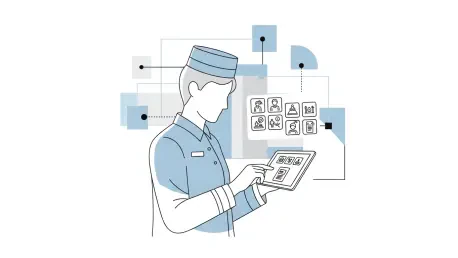
Implementation of advanced artificial intelligence and automated guest management systems has played a pivotal role in cushioning the blow of rising payrolls during the current fiscal year. Many properties have replaced traditional front-desk queues with sophisticated mobile check-in platforms and biometric kiosks that allow guests to access their rooms without human intervention. These systems do more than just reduce headcount; they collect high-quality data on guest preferences, allowing for personalized upsells that further boost ancillary revenue. For instance, luxury brands like Marriott and Hilton have expanded their digital key features to include real-time room upgrades and late checkout requests managed entirely through an app. By offloading these routine administrative tasks to automated software, the remaining staff can focus on high-impact guest interactions that require a human touch. This redistribution of effort ensures that the guest experience remains premium even as the number of employees per guest room declines, creating a more sustainable financial model for owners.
Beyond the lobby, back-of-house operations have seen a surge in efficiency through the adoption of predictive analytics and Internet of Things connectivity. Energy management systems now use occupancy sensors to adjust climate control and lighting in real-time, significantly lowering utility overheads that traditionally cut into the margins reserved for labor. Furthermore, AI-driven scheduling software has become standard, enabling managers to forecast staffing needs with pinpoint accuracy based on flight arrival data, local events, and historical booking patterns. This prevents the costly scenario of overstaffing during lulls or understaffing during peak periods, which often leads to expensive overtime pay. Kitchens have also seen the introduction of automated inventory tracking and smart appliances that minimize food waste and reduce the prep time required for high-volume dining services. These technological advancements collectively provide a buffer that allows hotels to pay higher competitive wages to their essential workers without needing to pass the entire cost burden onto the consumer.
Strategic Resource Allocation: Redefining the Service Paradigm
Operational strategies have undergone a fundamental redesign to prioritize high-value tasks while eliminating redundant service layers that previously bloated labor budgets. Cross-training employees has emerged as a cornerstone of this new model, where a single staff member might be proficient in concierge duties, basic maintenance, and food service support. This versatility allows managers to deploy resources dynamically, ensuring that guest needs are met promptly regardless of which department is experiencing high demand. Additionally, many hotels have shifted toward opt-in housekeeping models, where daily room cleaning is no longer the default but a requested service. This change has drastically reduced the daily workload for cleaning crews, allowing them to focus on deep-cleaning cycles and maintaining common areas to a higher standard. Such shifts do not merely cut costs; they modernize the job roles within the hotel, making positions more varied and engaging for employees. The resulting increase in job satisfaction has helped lower turnover rates, which is a critical factor in controlling the massive expenses associated with hiring.
The industry moved toward a more resilient fiscal structure by embracing holistic efficiency as the primary answer to the labor challenges of the early quarter. Decision-makers successfully implemented tiered service levels that allowed guests to choose between automated efficiency and premium human interaction, effectively decoupling labor costs from basic occupancy. Looking ahead, the focus shifted toward the long-term integration of robotics for heavy lifting and repetitive tasks, such as luggage transport and floor scrubbing, which further liberated human staff for creative hospitality roles. Operators recognized that investing in high-quality employee training was essential to complement their technological suites, ensuring that the human element remained a competitive differentiator rather than a financial liability. The transition proved that the hospitality sector could maintain its reputation for service excellence while adapting to the realities of a modern, high-cost labor market. Ultimately, the successful navigation of these economic pressures provided a blueprint for future growth, emphasizing that adaptability remained the most valuable asset in the portfolio of any modern hotelier.