
A guest arrives at a luxury urban boutique hotel long after the traditional check-in desk has closed, yet they access their high-floor suite instantly by tapping a smartphone against a subtle sensor. This seamless transition from the street to the room illustrates how cloud-based hospitality systems have dismantled the rigid barriers of traditional property management. The reliance on physical keys and localized servers is rapidly fading, replaced by agile cloud platforms that synchronize data across global networks in real time. By centralizing access control, hotels can now offer a frictionless journey that begins before the traveler even sets foot on the property. This modernization effort is not merely about replacing metal with plastic or silicon; it is a fundamental reimagining of the guest experience and operational security. As properties adapt to the expectations of a mobile-first world, the integration of these technologies becomes a critical differentiator in a market that values speed and safety.
Transforming Infrastructure Through Cloud Connectivity
Operational Efficiency: Centralized Management and Scalable Security
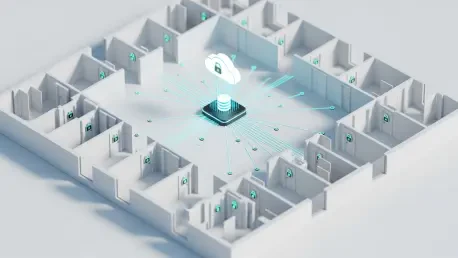
Traditional access systems often relied on cumbersome on-site servers that required constant physical maintenance and were highly susceptible to localized hardware failures or power outages. In contrast, cloud-integrated solutions allow hospitality managers to oversee thousands of entry points across multiple properties from a single remote dashboard, ensuring that security protocols remain uniform. This transition eliminates the need for expensive hardware refreshes, as software updates and encryption patches are deployed automatically through the cloud to keep pace with emerging cybersecurity threats. When a lock malfunctions or a guest loses access, technical teams can now diagnose the problem remotely, often resolving the issue before it impacts the guest experience. Furthermore, the scalability of these systems enables brands to onboard new locations with minimal friction, creating a unified and resilient security ecosystem. This architectural shift allows hotels to focus on service rather than IT maintenance.
Data Analytics: Utilizing Real-Time Intelligence for Property Safety
The implementation of cloud-based access control facilitates the collection of sophisticated data analytics that provide deep insights into property utilization and movement patterns. By monitoring entry logs in real time, security teams can identify unusual access behavior that might suggest an unauthorized entry or a compromised credential, allowing for immediate intervention. Unlike older legacy systems that stored logs on isolated machines, cloud records are redundant and highly resistant to physical tampering or local power outages, ensuring that historical data is always available for auditing. This data-driven approach also assists operational efficiency by identifying high-traffic zones, enabling management to optimize staffing for cleaning and maintenance based on actual usage rather than static schedules. Security managers now possess the capability to revoke access privileges instantly across an entire network of devices, providing a level of granular control that was previously impossible.
Strategic Evolution: Actionable Steps for Future-Proofing Assets
To successfully navigate the transition to these advanced systems, property owners had to prioritize robust network infrastructure and invest in hardware that supported multi-protocol communication. The decision to adopt cloud and mobile access required a thorough evaluation of cybersecurity measures, ensuring that guest data and entry logs were protected by high-level encryption and multi-factor authentication. Looking ahead, hospitality leaders focused on interoperability, selecting platforms that could easily integrate with future biometric scanners or smart room controls to maintain a competitive edge. It was essential for managers to provide clear communication to guests regarding the security and ease of mobile keys to encourage adoption rates. By treating access technology as a strategic asset rather than a utility, hotels positioned themselves to meet the evolving expectations of the modern traveler. Properties that embraced these changes early on discovered that the initial investment was quickly offset.