
Every year, the global hospitality sector discards billions of pounds of food, which represents a massive drain on bottom-line profits and operational efficiency within an industry known for its razor-thin margins. While many view food scraps as an inevitable byproduct of a busy service, elite establishments have started treating waste as a recoverable financial asset rather than an unavoidable expense. By integrating advanced tracking systems and rethinking the lifecycle of every ingredient, modern kitchens are shifting from a disposal-based mindset to a highly efficient circular economy. This transformation does not just benefit the environment; it directly impacts the solvency of a business in an era where every cent counts. When every stem, leaf, and bone is accounted for, the cost of goods sold drops significantly, allowing restaurants to reinvest those savings into quality improvements. Transitioning to this model requires a deep dive into procurement, storage, and the very structure of the menu itself to ensure long-term viability.
Optimizing Inventory and Auditing
Strategic Menu Design: The Impact of Cross-Utilization
Reclaiming lost revenue begins long before an order is even placed, starting instead at the drawing board where chefs design their menus with cross-utilization in mind. A streamlined menu that uses common base ingredients across multiple dishes ensures that inventory moves through the kitchen at a rapid pace, preventing items from languishing on shelves until they expire. For example, a single bulk purchase of organic carrots can be utilized for a roasted side dish, a purée for a protein garnish, and the tops for a vibrant pesto. This strategic approach reduces the need for niche, single-use ingredients that often result in high waste ratios. Furthermore, it simplifies the supply chain, allowing for more aggressive negotiations with suppliers due to higher volume orders of specific staples. By limiting the diversity of highly perishable stock, a kitchen effectively lowers its risk profile and ensures that the ingredients served are always at their peak freshness and flavor.
Financial Tracking: Categorizing and Measuring Losses
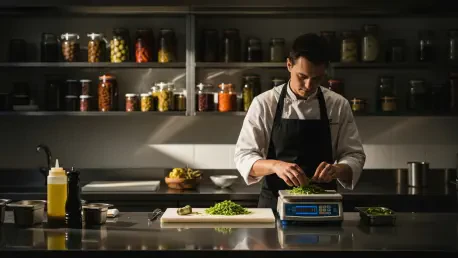
Precision in financial tracking transforms food waste from an abstract concept into a tangible set of data points that management can act upon immediately. Professional kitchens now employ sophisticated auditing processes that categorize losses into specific buckets: spoilage, overproduction, and plate waste returned by customers. If audits reveal high levels of plate waste, it signals that portion sizes may be too large or certain side dishes are unpopular, prompting an immediate menu adjustment. Conversely, high spoilage rates point toward a failure in the procurement process or poor storage habits. By using digital waste tracking scales that sync with inventory software, chefs gain real-time visibility into the monetary value of everything thrown into the bin. This data-driven rigor allows for the adjustment of par levels on a daily basis, ensuring that the kitchen only holds what is strictly necessary for upcoming service cycles, thereby protecting the financial health of the entire operation.
Maximizing Product Shelf Life
Scientific Storage: Utilizing Advanced Monitoring Systems
Establishing a robust storage infrastructure serves as the primary defense against the silent erosion of profits caused by premature ingredient spoilage. Modern facilities utilize IoT-enabled refrigeration systems that provide constant temperature monitoring and instant alerts to mobile devices if a cooler door is left ajar or a compressor fails. Beyond technology, the implementation of a strict “First In, First Out” (FIFO) protocol ensures that the oldest stock is prioritized, a practice that is often reinforced through color-coded labeling and clear organizational zones. Properly managed humidity drawers and vacuum-sealing technology also play critical roles in extending the viability of delicate proteins and produce. These investments in hardware and systematic organization pay dividends by drastically reducing the frequency of emergency grocery runs and unplanned disposals. When ingredients stay fresher for longer, the kitchen gains more flexibility in its production schedule, which leads to a more stable food cost percentage.
Creative Repurposing: The Value of Culinary Byproducts
Innovation in the kitchen often manifests as the ability to see value in components that were previously dismissed as trash, such as citrus peels or herb stems. High-margin operations are increasingly adopting preservation techniques like lacto-fermentation, pickling, and dehydration to convert potential waste into high-value pantry staples. For instance, bruised berries that can no longer be served fresh are easily transformed into a signature house-made shrub or artisanal jam, while vegetable trimmings provide the base for deeply concentrated stocks and glaces. This circular philosophy effectively reallocates the cost of the raw material across a wider variety of menu items, lowering the overall price per plate. By training culinary teams to treat every scrap as an opportunity for flavor development, restaurants can create unique, signature elements that cannot be replicated by competitors. This practice not only maximizes the utility of every dollar spent on produce but also appeals to consumers.
Operational Excellence and Precision
Team Accountability: Fostering a Professional Culture of Value
Cultivating a culture of accountability among the culinary staff is essential for maintaining a waste-conscious environment where every gram of product is respected. When line cooks and prep teams understand the direct link between waste reduction and the financial stability of the business, they become more proactive in identifying potential losses before they occur. Training programs that emphasize the “true cost” of an ingredient—including shipping, storage, and labor—help shift the perspective from seeing a product as a mere commodity to seeing it as a valuable investment. Empowered staff members are more likely to suggest creative uses for surplus ingredients or notice when a supplier has delivered sub-standard goods that would likely spoil quickly. This bottom-up approach ensures that waste management is not just a top-down mandate but a shared goal that permeates every level of the kitchen hierarchy. Regular team meetings to review waste logs foster ownership, encouraging cooks to run a lean station.
Demand Forecasting: Data-Driven Ordering Strategies
Shifting from traditional intuition-based ordering to advanced demand forecasting allows kitchen managers to align their inventory levels precisely with consumer behavior. Using AI-driven analytics, restaurants can now process years of historical sales data alongside variables such as local event calendars, weather patterns, and even social media trends. This level of foresight prevents the common mistake of over-ordering before a slow period or being caught unprepared during an unexpected surge in business. For example, if data suggests a downturn in steak sales during a heatwave, the kitchen can proactively reduce its order of expensive primals, avoiding the risk of spoilage. Accurate forecasting also streamlines prep lists, ensuring that the kitchen team does not spend valuable labor hours preparing food that will ultimately go unsold. By removing the guesswork from the procurement process, establishments can operate with minimal safety stock, which frees up capital that would otherwise be tied up in inventory.
Future Considerations: The Path Toward Resource Management
The transition from a traditional kitchen model to a waste-to-profit system required a fundamental shift in how culinary professionals perceived their raw materials and operational workflows. Successful establishments adopted integrated software solutions that mapped the journey of every ingredient from the loading dock to the guest’s plate, identifying every point of potential loss. They discovered that by reducing food waste, they not only protected their margins but also fostered a more creative and disciplined kitchen culture. Moving forward, the industry analyzed granular data, such as biometric feedback on guest satisfaction, to further refine portion sizes and menu offerings. Businesses that failed to adapt to these efficiency standards found themselves unable to compete with the lean operations of the modern market. The path toward profitability was clearly paved with better data, superior storage technology, and a team-wide commitment to valuing every component of the food supply chain as a financial resource.