
The traditional barriers that once constrained the movement of travelers with disabilities are rapidly dissolving as digital inclusivity transforms from a peripheral concern into a central pillar of the global tourism infrastructure. While the travel industry of the past often prioritized speed and efficiency above all else, the current era focuses on equity and the seamless integration of diverse human requirements into every digital touchpoint. This paradigm shift is driven by the realization that accessibility is not a niche requirement but a fundamental right that empowers millions to explore the world with newfound independence. By leveraging advanced data synchronization and real-time processing, the global tourism landscape is becoming a more cohesive environment where physical or sensory limitations no longer dictate the boundaries of a journey. This evolution ensures that every individual can navigate unfamiliar terrains with the dignity and autonomy they deserve.
Precision Navigation and Wayfinding Tools
Standard satellite mapping services have historically failed to provide the granular detail required by travelers with mobility impairments, often omitting crucial information about sidewalk conditions or steep inclines. However, the emergence of high-resolution geospatial data and crowd-sourced accessibility platforms has fundamentally changed this dynamic by offering detailed environmental assessments. Modern navigation applications now incorporate information regarding curb cuts, the specific gradient of public pathways, and the operational status of elevators in transit stations. This level of detail allows users to plan routes that avoid physical obstacles, ensuring that the “last-mile” of a journey is as accessible as the flight itself. By integrating LIDAR data and edge computing, these platforms provide real-time updates that reflect current environmental changes, such as construction sites or temporary closures that could impede movement.
Beyond outdoor navigation, the “indoor revolution” is addressing the complexities of navigating large, intricate hubs like international airports and multi-level train terminals. Through the strategic deployment of Bluetooth Low Energy beacons and ultra-wideband positioning systems, travelers can now receive step-by-step guidance directly on their mobile devices or wearable tech. For individuals with visual impairments, this technology translates complex spatial layouts into narrated instructions or haptic feedback, effectively acting as a digital guide through unfamiliar corridors. These systems are designed to be interoperable, allowing a traveler to move from a subway platform to an airport gate without losing their digital connection. This continuous stream of information reduces the anxiety often associated with navigating high-traffic environments, fostering a sense of confidence that was previously difficult to achieve without human assistance.
Artificial Intelligence and Tailored Travel Profiles
Artificial Intelligence is serving as the primary engine for personalization within the global travel sector, moving the industry away from generic checklists toward truly bespoke experiences. Advanced machine learning models now allow travelers to create comprehensive digital profiles that synthesize their specific requirements, ranging from neurodivergent-friendly lighting to voice-activated room controls. These AI-driven assistants can filter thousands of lodging options to identify properties that meet exact criteria, such as the availability of height-adjustable beds or low-sensory environments. By automating the search for specific accommodations, technology eliminates the labor-intensive process of manual verification that once plagued accessible travel planning. This shift ensures that every aspect of the itinerary is aligned with the individual’s needs before they even leave their home, creating a more predictable experience.
Furthermore, AI facilitates immediate interaction with the surrounding world through sophisticated computer vision and real-time translation tools. Travelers can use smartphone cameras to interpret foreign language signage, read menus aloud, or receive detailed descriptions of cultural landmarks and historical artifacts. This technology bridges the information gap for those with sensory barriers, ensuring that the rich narratives of a destination are accessible to everyone regardless of their primary language or visual acuity. Generative AI agents are also being used to simulate travel scenarios, providing individuals with social anxieties or cognitive disabilities the opportunity to virtually explore a location before their arrival. This preparatory phase is instrumental in reducing the cognitive load of travel, making international exploration a more attainable goal for a broader segment of the global population.
Integrated Infrastructure and Sensory Inclusivity
Significant technological progress is being made in the realm of sensory inclusivity, particularly for travelers who are deaf or hard of hearing. Speech-to-text applications now offer instantaneous captioning for verbal interactions with hotel staff or tour guides, ensuring that vital information is never lost in translation. Simultaneously, computer vision is being utilized to identify local currency, recognize landmarks, and even describe the layout of a hotel room for those with visual impairments. In the hospitality sector, the adoption of “Smart Room” protocols like the Matter standard allows guests to control their environment via their own devices, bypassing traditional interfaces that may not be accessible. These innovations transform the physical environment into an interactive space that adapts to the user, rather than forcing the user to adapt to rigid and often exclusionary infrastructure.
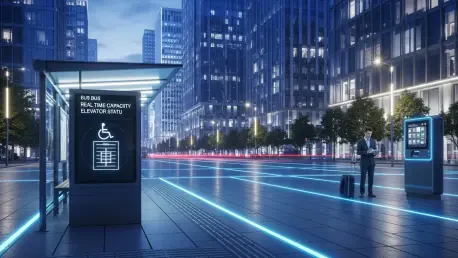
The development of Smart City initiatives has further enhanced the continuity of the accessible travel experience by providing real-time data regarding public infrastructure. Transit agencies are increasingly sharing live updates about the wheelchair capacity of approaching buses and the real-time functionality of elevators at specific station exits. This transparency allows travelers to make informed decisions on the fly, avoiding the frustration of arriving at a destination only to find that the necessary accessibility features are out of service. By linking these disparate data streams into a unified ecosystem, cities are creating a supportive framework that extends from the traveler’s doorstep to their final destination. This level of systemic integration ensures that accessibility is treated as a core component of urban planning and public service delivery, rather than an afterthought or a secondary service.
Universal Design and Strategic Implementation
The global tourism industry recognized that prioritizing accessibility was a strategic economic advantage as much as a moral imperative during the growth phase from 2026 to 2028. As the global population aged, a significant demographic of “Silver Travelers” sought destinations that offered robust mobility and sensory support, driving investment in universal design principles. This philosophy emphasized creating environments and products that were usable by everyone to the greatest extent possible without the need for specialized adaptation. By focusing on the needs of travelers with the most significant challenges, developers created more efficient and intuitive systems that benefited the entire public, including parents with strollers and travelers with heavy luggage. This inclusive approach turned accessibility into a standard feature of modern travel, rather than a separate or premium category of service.
The implementation of these technologies required a coordinated effort between private tech firms, local governments, and international travel organizations to ensure global consistency. Stakeholders focused on the standardization of accessibility data, ensuring that a digital profile created in one country would be recognized and supported by infrastructure in another. These efforts culminated in a travel ecosystem where the most advanced accessibility tools became “invisible” components of mainstream applications, rather than standalone products for a specific niche. The industry successfully moved toward a future where the barriers to exploration were replaced by a seamless web of digital and physical support. This transformation proved that when technology is designed with empathy and precision, it has the power to make any destination on the planet reachable for any person, regardless of their physical or sensory abilities.