
The transition of executive leadership within a legacy brand like Copeland’s marks a pivotal moment where traditional values must intersect with the rapid technological advancements of the mid-twenties. As Allison Donnelly steps into a defining role, the organization faces the complex task of honoring a multi-generational culinary heritage while simultaneously retooling its infrastructure for an increasingly digitized marketplace. This leadership shift occurs at a time when consumer expectations for transparency and speed have reached unprecedented levels, necessitating a vision that is both culturally grounded and operationally agile. Donnelly’s approach appears centered on the idea that a brand cannot simply rest on its history; instead, it must utilize that history as a springboard for modern relevance. By focusing on the intersection of hospitality and high-tech efficiency, the new leadership aims to redefine what a heritage restaurant group looks like in the current economic climate, ensuring that every plate served carries both the weight of tradition and the precision of modern data. It is a balancing act of the highest order.
The Digital Pivot: Transforming Hospitality Through Sustainable Growth
The implementation of sophisticated machine learning algorithms for supply chain management represents a cornerstone of the new strategic direction under Donnelly’s guidance. By leveraging predictive modeling, Copeland’s has begun to anticipate localized demand fluctuations with remarkable accuracy, thereby reducing food waste and optimizing inventory turnover in ways that were previously impossible. This technological pivot does not merely improve the bottom line; it allows the kitchen staff to focus more on the craft of cooking rather than the administrative burden of stock management. Furthermore, the integration of a unified customer data platform provides the executive team with real-time insights into guest preferences, enabling hyper-personalized marketing campaigns that resonate on an individual level. This transition toward a data-centric culture ensures that every decision, from seasonal menu adjustments to the selection of new physical locations, is backed by empirical evidence rather than intuition alone. This shift provides a more stable foundation for rapid scaling.
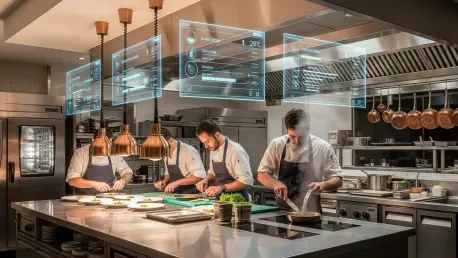
Building on this digital foundation, the focus has expanded to encompass the guest-facing experience through the rollout of seamless mobile integration and contactless payment systems that do not compromise the human touch. This approach naturally leads to a more streamlined service model where wait times are minimized and table turnover is maximized without creating a sense of urgency for the diners. By adopting these specific technologies, Donnelly is effectively bridging the gap between a classic dining atmosphere and the expectations of a younger, tech-savvy demographic that values efficiency as much as flavor. The transformation includes the use of smart kitchen displays that synchronize with front-of-house tablets, ensuring that the pace of the meal is perfectly calibrated to the specific needs of the table. Such precision in operations reduces the stress on the staff, leading to higher employee retention and a more consistent quality of service. This holistic view of the technological ecosystem suggests that the future of the brand is one where high-tech tools serve to enhance.
The strategic roadmap established by this leadership transition successfully prioritized the harmonization of legacy values with modern operational requirements. Stakeholders observed that the focus shifted toward aggressive investment in proprietary technology stacks that allowed for greater autonomy from third-party delivery platforms. It became clear that the path forward required a decentralized management style where individual location leaders were empowered to make data-informed decisions specific to their local markets. The results indicated that the integration of environmental, social, and governance goals into the core business model attracted a new wave of socially conscious investors and patrons. Moving forward, the focus shifted toward expanding the brand’s footprint through smaller, high-efficiency footprints that utilized the same high-quality ingredients but with a faster service model. This evolution demonstrated that a traditional brand could thrive by embracing change rather than resisting it. These steps ensured that the brand remained a staple for decades.