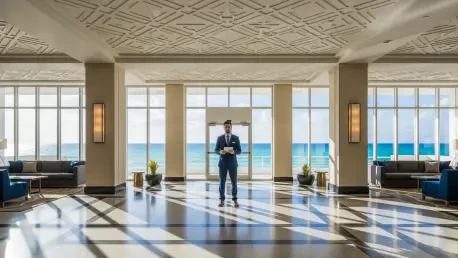

The shimmering skyline of Miami Beach is welcoming a new era of corporate precision as Club Quarters Hotels officially assumes operational control of the legendary Sherry Frontenac property. This expansion represents the firm’s first venture into the Florida market, signaling a shift toward centralized, data-driven hospitality within classic coastal resorts.
This move signifies an ambitious effort to apply high-level management tactics to a historic environment. Unlike a standard acquisition, this partnership prioritizes internal overhauls that allow the hotel to stay competitive. It marks a clear intent to dominate high-barrier urban markets through specialized third-party oversight.
The Intersection of Historic Charm and Modern Management
The Sherry Frontenac, a 1947 Henry Hohauser masterpiece, remains a pillar of North Beach architecture. However, modern travelers demand more than just aesthetics; they require seamless digital experiences. Club Quarters bridges this gap by introducing corporate logistics to a heritage site, ensuring the building thrives against contemporary mega-resorts.
Leveraging the Integrated Shared Services Platform
Central to this evolution is the integrated shared services platform, which replaces fragmented property management with a unified corporate engine. This model streamlines finance and human resources, allowing for more efficient recruitment and lower operational overhead.
Advanced revenue analytics also play a role, as real-time data allows the property to capture peak demand in the volatile Miami market. This technical shift ensures that the hotel’s digital presence matches its physical grandeur, creating a frictionless journey for every guest.
Preserving the Henry Hohauser Legacy Through Efficient Operations
Maintaining the Hohauser legacy requires a delicate balance between back-of-house modernization and front-of-house tradition. By automating complex logistics, the on-site staff can dedicate more time to personalized guest interactions at the Sherry Bar or the oceanfront lounge.
This division of labor ensures that the guestrooms and amenities feel like a boutique escape rather than a corporate outpost. The goal remains to optimize the business side so the cultural side can flourish without financial strain.
Strategies for a Successful Hospitality Transition
Property owners looked to replicate this model by prioritizing the preservation of brand identity to safeguard local market equity. They focused on shifting from intuition to a strategy backed by centralized performance metrics and real-time market intelligence.
Ultimately, the successful integration of third-party vendors and streamlined amenity management proved vital for a cohesive guest experience. This transition established a new benchmark for how historic Miami assets evolved into highly profitable, modern hospitality leaders through disciplined operational oversight.