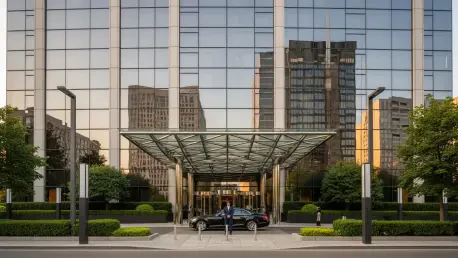

The nearly nine million jobs supported by the United States hotel industry currently hang in the balance as federal and municipal lawmakers weigh decisions that could either stifle growth or catalyze a new era of travel. While travelers focus on amenities and loyalty points, hotel owners remain locked in a high-stakes battle over the regulatory frameworks that determine everything from who can be hired to how many square feet a housekeeper can clean. The outcome of these policy shifts will dictate the price of a room, the availability of staff, and the long-term viability of the franchise model that defines American lodging.
In an environment where every operational cost is under scrutiny, the hospitality sector serves as a bellwether for the broader economy. Federal decisions regarding labor and trade are not merely bureaucratic exercises; they are the lifeblood of an industry that bridges the gap between local entrepreneurship and global commerce. As legislative sessions progress, the tension between government oversight and business autonomy has reached a fever pitch, forcing a national conversation on the value of the service economy.
Why Legislative Stability Is the Industry’s New North Star
The hospitality sector remains one of the most significant contributors to national GDP, yet it faces a fragmented landscape of labor shortages and inconsistent regional mandates. Organizations like the American Hotel & Lodging Association argue that without federal intervention to modernize visa programs and protect the traditional franchise structure, the industry risks losing its competitive edge on the global stage. This isn’t just a corporate concern; the health of the hotel sector directly impacts local supply chains, tax revenues, and the economic mobility of entry-level workers.
Stability allows owners to plan multi-year renovations and expansion projects that stimulate local construction and service sectors. When laws change unpredictably, investment capital often flees toward more stable industries, leaving hotels to struggle with aging infrastructure and reduced service levels. A unified legislative approach ensures that a hotel in a small town operates under the same fundamental business protections as a luxury resort in a major coastal city.
Navigating Federal Hurdles: The Fight for Operational Autonomy
To ensure the future of US hotels, industry leaders are concentrating on primary pillars of federal reform designed to stabilize the workforce and protect business owners. Protecting the franchise model is essential for maintaining the independence of hotel owners. By advocating for specific standards that codify joint employer rules, the industry seeks to prevent regulatory overreach that would blur the lines between independent franchisees and corporate brands. This ensures that local owners retain control over their operations, staffing, and the unique culture of their properties.
Bridging the labor gap through visa modernization represents another critical front in this legislative struggle. The proposal for a “Certified Seasonal Employer” status aims to bypass annual visa caps for compliant businesses, allowing hotels to meet the surge of peak-season demand without the uncertainty of a lottery-based system. Simultaneously, the industry is fighting for federal per diem rates to be calculated using transparent, market-driven data. This change ensures that government travel reflects the true cost of modern lodging services while maintaining global competitiveness through initiatives like the VISIT USA Act.
The High Cost of Municipal Mandates: Lessons from New York City
The debate over hotel policy is not limited to Washington; local ordinances are currently posing immediate threats to the industry’s economic health. A proposed cleaning limit in New York City serves as a cautionary tale for the rest of the country. Data from Oxford Economics suggests that strict government mandates on housekeeping workloads—such as limiting cleaning to 3,500 square feet per shift—could lead to a $500 million loss in visitor spending. These restrictions threaten to drive up room rates by 3% while causing a massive $280 million annual decline in capital investment.
Such mandates often result in unintended consequences that ripple through the community. When property-level flexibility is restricted, it often closes doors for those seeking career advancement in a sector known for its upward mobility. Community leaders have highlighted that rigid operational mandates disproportionately affect the Latino workforce, which relies on the hospitality sector as a primary entry point into the U.S. economy. By removing the ability of managers to adapt to occupancy shifts, these laws hurt the very workers they intended to protect.
Strategies for a Resilient and Travel-Friendly Policy Framework
For the U.S. hotel industry to thrive, stakeholders must adopt a proactive approach to policy that balances worker protections with the logistical realities of property management. Hotel operators must continue to demonstrate that operational decisions, such as staffing ratios and workload management, are most effective when handled at the property level. Creating a travel-friendly environment requires policies that allow managers to adapt to real-time market demands rather than adhering to one-size-fits-all legislation that ignores regional nuances.
Future-proofing the industry involved a commitment to duty-free supply chains and the protection of cross-border trade through agreements like the USMCA. By ensuring that the broader ecosystem of local businesses and workers was considered in legislative discussions, the hospitality sector secured a stable environment that fostered both local growth and global excellence. Moving forward, the focus shifted toward implementing technology-driven staffing solutions and advocating for tax structures that incentivized property reinvestment, ultimately ensuring that the American hotel remained a cornerstone of economic opportunity.