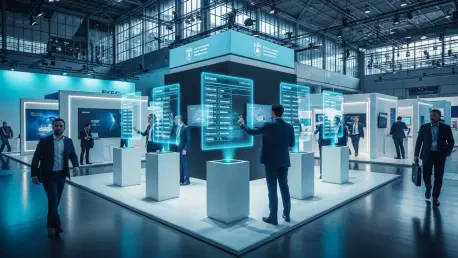

The global events landscape is undergoing a radical transformation as planners move away from traditional logistics toward data-centric experiences that prioritize participant engagement through predictive modeling. The current edition of IBTM World has responded to this shift by significantly increasing the floor space dedicated to the Technology Pavilion, which now encompasses nearly one-third of the total exhibition area in Barcelona. This expansion reflects a growing demand for solutions that can handle the massive influx of data generated during multi-day conferences while simultaneously offering a seamless, frictionless journey for every attendee. By focusing on the intersection of artificial intelligence and human interaction, the event serves as a living laboratory for the latest developments in biometric check-ins, real-time language localization, and autonomous event management systems. This year, the emphasis has moved beyond mere digital tools to comprehensive ecosystems that learn from attendee behavior.
Evolution of Intelligence: Integrating Generative AI into Live Programming
Generative artificial intelligence is no longer just a buzzword for content creation but has become the backbone of operational efficiency for large-scale international gatherings. At IBTM World, exhibitors are demonstrating how sophisticated large language models can be tuned to specific industry datasets to provide instantaneous responses to complex logistical queries from attendees. This integration allows for a level of personalization previously thought impossible, where an AI concierge can cross-reference an individual’s professional background with the available speaker schedule to curate a unique itinerary. Moreover, these systems are capable of monitoring the emotional temperature of a room through non-intrusive sentiment analysis, allowing organizers to adjust lighting, temperature, or even the flow of coffee breaks based on real-time feedback. The shift toward these autonomous assistants marks a departure from static mobile apps, turning every smartphone into a proactive guide.
Beyond attendee engagement, the backend capabilities of AI are revolutionizing the way exhibitors measure their return on investment through granular lead scoring and post-event analytics. New software suites showcased this year utilize machine learning to analyze the quality of interactions on the trade show floor, identifying which product demonstrations led to the most significant engagement. These platforms provide organizers with a heat map of activity that highlights high-traffic areas and identifies dead zones, enabling more strategic floor plan designs for subsequent editions. By leveraging predictive analytics, planners can now forecast attendance numbers for specific breakout sessions with high accuracy, reducing waste in catering and ensuring that room capacities are never exceeded. This data-driven approach to venue management ensures that every square foot of the exhibition space is utilized effectively, maximizing value for both the sponsors and the delegates who travel from across the globe.
Strategic Implementation: Preparing for a Data-Driven Meeting Industry
Spatial computing has matured into a vital component of the event planner’s toolkit, moving beyond the novelty of virtual reality headsets to practical mixed-reality applications. In the newly expanded tech zone, vendors are presenting holographic displays and augmented reality overlays that allow site visits to occur without the need for physical travel, saving both time and carbon emissions. These tools enable organizers to visualize complex stage builds and seating arrangements within a 1:1 scale digital twin of the venue, ensuring that every sightline is perfect before a single piece of equipment is loaded in. This technology also enhances the attendee experience by providing interactive wayfinding that projects directional arrows onto the physical floor through a mobile device or AR glasses. Such innovations bridge the gap between the digital and physical realms, creating an environment where information is layered directly onto the physical environment, making navigation intuitive.
The conclusion of this year’s expansion into event technology provided a clear roadmap for organizations looking to navigate the complexities of a hyper-connected professional world. Participants learned that the most effective implementations of AI and spatial computing were those that focused on removing friction from the attendee journey while providing actionable data for organizers. Strategic investments in interoperable software platforms became the priority for many agencies, as they sought to break down data silos and create a unified view of the customer experience across multiple touchpoints. The event successfully demonstrated that a proactive approach to technology adoption allowed firms to remain competitive in a landscape where speed and personalization were no longer optional. By integrating these tools into the core of their operational strategies, event professionals moved toward a more resilient model of engagement. The lessons learned in Barcelona underscored the necessity of viewing technology as a layer.