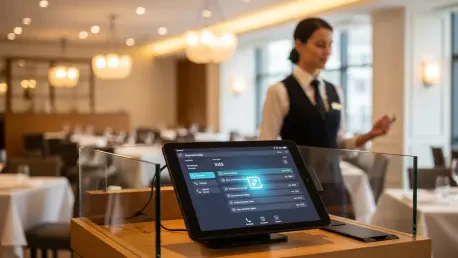

The modern dining experience has reached a paradoxical crossroads where a restaurant might be overflowing with patrons on the floor while simultaneously losing dozens of potential reservations because nobody is available to pick up the ringing telephone. For many establishments, the persistent sound of an unanswered phone represents more than just a background nuisance; it is a visible symptom of a systemic labor imbalance that pits high-quality in-person hospitality against the relentless stream of digital and telephonic inquiries. To bridge this divide, a sophisticated expansion of voice artificial intelligence has been implemented through the Yelp Host platform, which now functions as a comprehensive digital concierge capable of managing the complex interplay between physical dining rooms and online booking systems. This evolution acknowledges that while diners have embraced digital convenience, many still rely on direct calls to clarify specific needs that static websites often fail to address.
The Revenue Gap: Quantifying the Silence
The financial impact of a silent telephone is often underestimated by management until the data reveals the sheer volume of missed opportunities occurring during peak hours. During high-traffic periods, such as major holiday weekends or local sporting events, a single popular restaurant can experience hundreds of incoming calls that never reach a human operator due to the intensity of the floor service. Each of these missed connections represents a direct loss of potential revenue, not only from immediate table bookings but also from takeout orders and specialized event inquiries that require quick confirmation. By automating these interactions, the updated voice AI ensures that every inquiry is captured and processed, effectively plugging a significant leak in the business’s revenue stream. This proactive approach allows the system to handle the initial surge of interest, converting callers into confirmed guests without requiring the host to step away from the entrance where they are needed most to manage the physical flow of the dining room.
Beyond the immediate loss of a single reservation, the long-term damage to a brand’s reputation caused by unanswered calls can be far more costly in a highly competitive culinary market. Modern diners have grown accustomed to instant gratification, and when a telephone rings indefinitely, they are likely to interpret the silence as a lack of professionalism or a sign of an overwhelmed kitchen. This frustration frequently drives potential customers to seek out competitors who can provide immediate answers or confirmed seating through more responsive channels. The introduction of an intelligent voice assistant mitigates this risk by providing a consistent and helpful first point of contact that validates the customer’s interest and provides the necessary information. By ensuring that every person who reaches out feels heard and valued, the technology helps maintain a positive brand image and fosters a sense of reliability that is essential for building long-term loyalty in a landscape where consumer options are virtually limitless.
Technical Integration: Beyond the Basic Answering Machine
A critical advancement in the latest iteration of the Yelp Host platform is its seamless integration with industry-standard management tools like OpenTable and various point-of-sale systems. This deep synchronization ensures that the artificial intelligence has access to real-time inventory data, allowing it to provide callers with accurate information regarding table availability and estimated wait times without human intervention. By automating the booking process directly within the restaurant’s existing digital framework, the system eliminates the common errors associated with manual data entry performed by hurried staff members during a busy shift. Furthermore, this connectivity allows the AI to manage the delicate balance of overbooking and cancellations, ensuring that every available seat is utilized to its maximum potential. When a cancellation occurs in the reservation system, the voice AI can immediately offer that slot to the next caller, optimizing the restaurant’s occupancy rates and ensuring that the kitchen and serving staff are operating at peak efficiency throughout the evening.
The technological scope of the platform extends into the realm of personalized communication, featuring automatic detection for sixteen different languages to accommodate a diverse global clientele. This capability allows the AI to pivot between languages instantly, ensuring that non-native speakers receive the same level of detailed service and information as any other guest without the need for specialized staffing. Additionally, the system now offers customizable voice options that enable a business to maintain its unique brand personality, moving away from the generic and mechanical tones associated with traditional automated systems. Whether a restaurant aims for a formal and sophisticated greeting or a casual and energetic tone, the AI can be tailored to reflect the specific atmosphere of the establishment. This level of customization ensures that the automated interaction feels like a natural extension of the physical dining experience, reinforcing the restaurant’s identity from the very first moment a customer engages with the brand over the phone.
Operational Strategy: Refining the Hospitality Experience
The strategic deployment of contextual AI in the hospitality sector represents a fundamental shift in how labor is allocated, prioritizing human interaction where it provides the most emotional and social value. By delegating routine tasks—such as confirming hours of operation, explaining dietary accommodations, or processing standard takeout orders—to the AI assistant, the floor staff is liberated from the stress of constant multitasking. This reduction in administrative burden has been shown to significantly decrease employee burnout and improve the overall morale of the team, as workers can focus entirely on the guests seated in front of them. The technology acts as a supportive layer that handles the logistical noise of the business, allowing the host and servers to engage in the high-touch, personalized service that defines the heart of hospitality. When the staff is not distracted by a ringing phone, they can provide a more attentive and nuanced experience, ensuring that every guest receives the care and attention required for a memorable meal.
Strategic leaders within the industry recognized that the adoption of voice AI was not merely a technological upgrade but a necessary evolution for survival in the 2026-2028 operational landscape. They implemented these systems to ensure that the intersection of digital demand and physical capacity remained manageable for their core teams. By prioritizing deep integration between AI and reservation databases, businesses successfully transformed their telephones from a source of anxiety into a streamlined pipeline for revenue and guest satisfaction. The most successful establishments treated the voice assistant as a dedicated team member, refining its tone and language capabilities to match the evolving expectations of a global audience. Management moved forward by leveraging the data collected from these automated interactions to better understand peak demand periods and customer preferences. Ultimately, this proactive stance on technology protected the human-centric nature of the restaurant industry, proving that automation could enhance rather than replace the authentic hospitality that diners have always cherished.