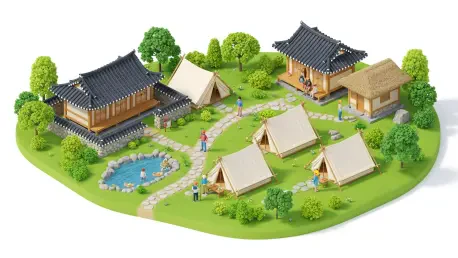

While the global fascination with scripted K-dramas has historically served as the primary driver for international interest in the peninsula, a new wave of unscripted variety programming is now redefining how global audiences perceive and engage with South Korean culture. These shows, ranging from intense physical competitions to serene slow-life reality series, offer a raw and seemingly unfiltered look at the country that goes far beyond the polished sets of romantic television. Instead of visiting a singular filming location where a fictional scene occurred, modern tourists are increasingly seeking the actual experiences, dishes, and social interactions they witness on screen. This shift reflects a broader consumer trend toward experiential travel, where the goal is no longer just seeing a landmark but living a moment. As digital platforms prioritize authentic storytelling, variety shows have emerged as a powerful marketing tool that functions more like a digital invitation than a traditional advertisement. The sheer variety of these programs allows for a diverse demographic of travelers, from outdoor enthusiasts inspired by camping shows to foodies tracking down specific street stalls featured in culinary competitions. By showcasing regional landscapes outside of Seoul, these programs are effectively decentralizing tourism, encouraging visitors to explore rural provinces and coastal towns that were previously overlooked. This phenomenon has created a robust bridge between entertainment consumption and economic revitalization, transforming casual viewers into enthusiastic travelers who arrive with a checklist of specific local experiences. Consequently, the cultural export of variety content has become an indispensable asset for the national tourism strategy, fostering a deep emotional connection that persists long after the credits roll.
The Power of Authenticity: How Reality Television Drives Local Exploration
The integration of local cuisine and regional traditions into variety show formats has turned ordinary neighborhoods into must-visit destinations for international fans. Unlike high-budget dramas, variety shows often highlight small, family-run businesses and hidden gems, providing them with unprecedented global visibility. For instance, programs that focus on the daily operations of a guesthouse or a pop-up restaurant in a remote village generate a sense of familiarity and intimacy that resonates with viewers. This connection often translates into a surge of foot traffic for the featured locations, as tourists seek to replicate the comfort and hospitality they observed during the broadcast. Building on this foundation, local governments are now collaborating with production houses to ensure that the infrastructure can support this sudden influx of visitors without losing the charm that attracted the show in the first place. The logistical challenge involves maintaining the authenticity of these sites while upgrading transportation and signage to accommodate a global audience. Furthermore, the longevity of these variety shows ensures a steady stream of interest, as many series run for multiple seasons or are rediscovered by new audiences on streaming platforms. This sustained exposure provides a reliable boost to local economies, fostering a more sustainable model for tourism growth that relies on genuine cultural appreciation rather than fleeting trends. By shifting the focus from artificial sets to real-world environments, variety television creates a tangible link between the digital world and the physical landscape of South Korea, encouraging a more profound level of engagement from travelers who value genuine human connection and cultural immersion over traditional sightseeing.
Strategic Integration: Developing Infrastructure for Future Global Visitors
The success of variety-driven tourism demonstrated that the transition from passive viewer to active visitor was most effective when the content felt accessible and repeatable. In the period from 2026 to 2028, tourism boards began prioritizing the development of multilingual digital maps and specialized travel packages that directly linked to specific episodes of popular reality shows. This proactive approach addressed the common barrier of navigation for international travelers who wished to venture beyond metropolitan hubs. To maintain this momentum, stakeholders must now invest in localized technology that offers real-time translations and augmented reality tours at filming sites, allowing visitors to engage with the stories behind the locations. Additionally, diversifying the types of featured regions will prevent over-tourism in popular spots while distributing economic benefits more equitably across the country. Future efforts should also focus on establishing partnerships between content creators and environmental conservationists to ensure that the natural beauty showcased on screen remains preserved for future generations. By leveraging the current popularity of unscripted content, the tourism sector could secure a long-term competitive advantage in the global market. Ensuring that the visitor experience remains high-quality and culturally respectful was essential for turning a temporary boom into a permanent pillar of the economy. This evolution required a coordinated effort between the entertainment industry and public sectors to create a seamless journey for the modern traveler. Ultimately, the ability to capitalize on these media trends depended on how well the industry balanced commercial growth with the preservation of the local heritage that initially captured the world’s imagination through the television screen.