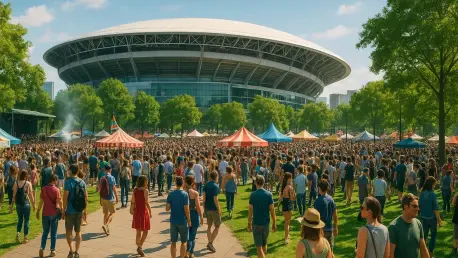

The successful integration of cultural, sporting, and corporate events has created a unified and compelling visitor proposition for the city of Coventry. The urban center has witnessed a massive transformation, with its visitor economy effectively doubling in size over the last decade. Recent data collected via the STEAM model confirms that 12.6 million individuals visited the region during the previous year, representing a 6.5% increase in foot traffic. This surge in popularity correlates directly with a 9.3% rise in total economic value, pushing the sector into a new era of financial prominence. Beyond the raw numbers, the local labor market has reaped substantial benefits, now supporting 8,330 full-time positions. This marks the second consecutive year of steady employment growth within the hospitality and leisure sectors. The synergy between municipal planning and private investment has solidified the city’s reputation as a top-tier destination for many diverse audiences today.
Drivers of Economic Success
1. Cultural and Athletic Impact
High-profile entertainment and international sporting competitions have played a pivotal role in drawing crowds to the heart of the city. Musical performances by globally recognized artists such as Ed Sheeran, Bob Dylan, and Tom Grennan transformed local venues into major cultural hubs, attracting fans from across the country. These events did not just provide entertainment but also served as a catalyst for increased spending in local hospitality businesses. Similarly, the hosting of the Kabbadi World Cup showcased the city’s capacity to manage large-scale international events, bringing in a diverse demographic of spectators. The ripple effect of these gatherings is evident in the record-breaking foot traffic recorded throughout the year. By positioning itself as a venue for world-class talent and unique sporting spectacles, the city has successfully differentiated itself from other urban centers, ensuring a steady stream of visitors regardless of the season or local economic shifts.
2. Professional Sports and Corporate Growth
The athletic success of Coventry City FC has further bolstered the region’s visibility and economic performance. The football club’s dual impact involved immediate gains through increased match-day attendance and the long-term prestige associated with their recent promotion to the Premier League. As the team moves into the 2026/27 season, the anticipation of hosting top-tier national and international matches is expected to provide an even greater platform for visibility. This promotion acts as a massive marketing engine, drawing in fans who might not have otherwise considered visiting the city. The influx of traveling supporters provides a consistent boost to the local economy, particularly for hotels and restaurants situated near the stadium. This sports-led growth is complemented by a resilient business sector, where conference and event venues have reported significant year-on-year increases in both revenue and delegate numbers, ensuring a vibrant and active atmosphere.
Strategic Market Analysis
1. Overnight Conversion and Infrastructure
A deeper look at visitor demographics reveals a significant opportunity for future economic expansion through the conversion of day trippers into overnight guests. Currently, day visitors account for the overwhelming majority of the 12.6 million total visits, yet they represent only a fraction of the potential revenue. In contrast, the 12% of visitors who choose to stay overnight contribute a disproportionate 39% of the total economic impact. This disparity highlights a clear strategic pivot point for city planners and investors. To maximize financial returns, there is a pressing need to increase accommodation capacity, particularly within the non-serviced sector, which already experienced a 14.3% growth recently. By providing more diverse and high-quality lodging options, the city can encourage visitors to extend their stay, thereby increasing the average spend per head. Transitioning from a transit-oriented destination to a residential one is essential for sustaining the current momentum.
2. Future Strategic Recommendations
Stakeholders recognized that the achievement of the billion-pound milestone functioned as a baseline for future initiatives rather than a final peak. Decision-makers prioritized the expansion of the city’s hotel infrastructure to meet the anticipated demand generated by Premier League exposure. They encouraged local business owners to diversify their offerings, specifically targeting the high-value overnight market that proved so lucrative during the previous cycle. City planners invested in digital infrastructure to better track visitor movement and spending in real-time, allowing for more agile marketing responses. This proactive approach involved strengthening partnerships between the private sector and municipal bodies to ensure that the infrastructure kept pace with the growing number of visitors. By focusing on the quality of the visitor experience and the length of stay, the region prepared itself for a sustainable economic trajectory from 2026 to 2028. These efforts ensured the city remained a top destination.