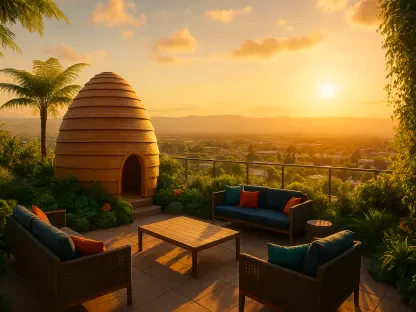

Annual festivals and wellness escapes in Porto Santo demonstrate how Madeira utilizes its mild Atlantic climate to attract visitors during the months when other European destinations see a decline. This shift represents a broader transformation across the Mediterranean, where traditional summer-only hotspots are actively reinventing themselves as perpetual hubs of activity. By diversifying their offerings to include historical exploration, wellness retreats, and authentic culinary experiences, nations like Greece and Cyprus are successfully mitigating the pressures of over-tourism. The primary objective is to create a more resilient economic environment that does not rely solely on the frantic three-month peak of the northern hemisphere’s summer. This strategic pivot ensures that local infrastructures remain operational and profitable throughout the year, providing a more balanced distribution of tourists across the seasons while preserving the cultural and natural integrity of these iconic locations for future generations of global travelers.
1. Integrating the Attica Region Through Cultural Connectivity
The Attica region has become a central focus for year-round development, effectively bridging the gap between the historic heartbeat of Athens and the scenic tranquility of the nearby Riviera. Rather than viewing the city center and the coastline as separate entities, planners have integrated them into a single, cohesive visitor experience that remains vibrant regardless of the calendar month. This connectivity allows travelers to immerse themselves in the deep historical layers of the capital before transitioning to the modern amenities found along the coast. The Athenian Riviera now boasts high-end resorts and sophisticated cultural centers that remain open through the cooler months, catering to a demographic that values temperate weather and quieter landscapes. This integration is supported by upgraded transit links and a commitment to maintaining a high standard of service during the off-peak season, ensuring that the luxury and charm of the Aegean coast are accessible throughout the entire year.
Central to this transformation is the unparalleled cultural wealth concentrated within the Attica basin, featuring over 130 archaeological sites and more than 60 specialized museums. Iconic landmarks like the Acropolis and the Parthenon serve as the cornerstone of this appeal, yet the region’s modern additions, such as the Stavros Niarchos Foundation Cultural Center, offer a contemporary counterpoint that draws international crowds. These institutions provide climate-controlled environments and indoor programming that effectively counteract the seasonal limitations of traditional outdoor sightseeing. Beyond the mainland, the Saronic islands of Aegina, Poros, and Hydra offer quick maritime escapes that are just as captivating in November as they are in July. By marketing these sites as part of a year-round itinerary, Greece is successfully repositioning its most famous historical assets as pillars of a stable, permanent tourism economy that thrives even when the traditional beach season has concluded for the year.
2. Expanding Seasonal Frameworks in Madeira and Cyprus
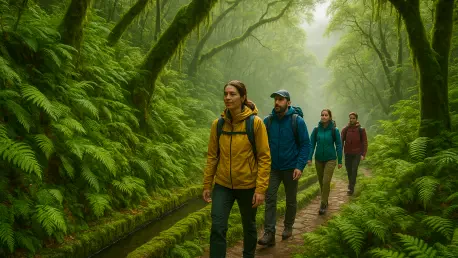
In the middle of the Atlantic, Madeira has refined its approach to tourism by leveraging its unique natural landscape to create a continuous travel cycle. The island’s UNESCO-protected Laurisilva forests and the extensive network of irrigation channels known as levadas provide world-class hiking opportunities that are often more pleasant during the cooler months. The mild climate allows for outdoor exploration without the intense heat typical of Mediterranean summers, making it a premier destination for eco-conscious travelers and outdoor enthusiasts. By focusing on active tourism and nature preservation, Madeira has managed to sustain high occupancy rates even during what was once considered the low season. The local government has invested heavily in maintaining these trails and promoting the island’s unique flora and fauna as a year-round attraction. This emphasis on the natural environment not only protects the island’s biodiversity but also ensures that the tourism industry remains a stable driver for regional prosperity.
Parallel to Madeira’s efforts, Cyprus has implemented its comprehensive 2030 Strategy, which focuses on developing specialized sectors like wine-growing regions and heritage villages to broaden its appeal. This initiative seeks to move beyond the island’s reputation for sun-and-sea holidays by highlighting the rich viticultural traditions found in the Troodos Mountains and the cultural authenticity of its rural heartlands. Cycling paths and thematic routes have been expanded to attract a different kind of visitor who seeks engagement with the local community and the island’s varied topography. This diversification strategy is designed to boost income for small-scale producers and rural artisans who might otherwise struggle during the winter months. By revitalizing traditional villages and supporting sustainable agricultural tourism, Cyprus is creating a multi-dimensional travel product that rewards exploration outside the busy summer windows. This approach not only stabilizes the local economy but also offers visitors a more intimate look at Cypriot life.
3. Implementing Sustainable Management and Community Support Systems
The shift toward a year-round model is fundamentally rooted in the need for long-term job stability and the professionalization of the hospitality sector. Historically, many Mediterranean tourism workers faced significant seasonal unemployment, leading to economic instability and a loss of talent to other industries. By extending the travel season into the spring and autumn, destinations are now able to offer more permanent contracts, which in turn improves the quality of service provided to visitors. This continuity allows businesses to invest more heavily in staff training and infrastructure maintenance, as the revenue stream is more predictable throughout the year. As hospitality workers find more consistent employment, the overall social fabric of tourism-dependent communities is strengthened. This transition is crucial for maintaining the viability of local economies and ensuring that the tourism industry remains an attractive and sustainable career path for the next generation of professionals.
Sustainable management also involves rigorous environmental protection through the implementation of carrying-capacity policies designed to prevent the degradation of natural sites. By spreading visitor numbers across twelve months instead of three, authorities can better manage the ecological footprint of tourism and reduce the strain on local resources like water and energy. This strategy includes the promotion of educational outdoor activities that encourage travelers to respect and preserve the ecosystems they visit. Directing tourist spending toward family-owned guesthouses and local eateries further ensures that the economic benefits of travel are distributed more equitably within the community. These small businesses often provide the most authentic experiences and are the most likely to reinvest their earnings back into the local area. By prioritizing these smaller establishments over large international chains, regional boards are fostering a more resilient and diverse tourism ecosystem that prioritizes long-term health over short-term gains.
4. Navigating Regional Logistics and Cultural Experiences
For the modern traveler, navigating these year-round destinations requires a focus on authentic regional flavors and the unique products that define local identity. In Greece, this means exploring the culinary heritage of Attica, from the world-renowned pistachios of Aegina to the diverse varieties of feta cheese and extra virgin olive oil found in the countryside. Many vineyards near Athens remain open for tastings throughout the year, offering opportunities to sample the indigenous Savatiano white wine while enjoying traditional dishes prepared with seasonal ingredients. Engaging with local food producers provides a deeper understanding of the region’s agricultural history and supports the sustainability of traditional farming practices. These gastronomic experiences are often more immersive during the off-peak season when chefs and producers have more time to interact with guests. This slower pace allows for a more meaningful connection with the local culture and the flavors that have shaped the Mediterranean.
Efficient regional transportation is the backbone of successful year-round travel, and visitors should carefully organize their transit to maximize their time. Arriving via Athens International Airport provides a central hub for exploring the wider region, with Metro Line 3 and the X96 express bus offering reliable links to the Piraeus Port. From there, high-speed hydrofoils provide quick access to the Saronic islands, though it is essential to check ferry schedules in advance as trip frequency typically decreases starting in October. For international travel, ensuring that your passport is valid for at least six months beyond your planned stay is a critical requirement for entry into the Schengen Area. Travelers should also be aware of the varying operational hours for museums and archaeological sites during the winter months. Planning ahead and staying informed about seasonal transit rules ensures a smooth transition between the mainland and the islands, allowing for a stress-free exploration of the diverse landscapes.
5. Future Strategies for Resilient Mediterranean Infrastructure
The development of resilient infrastructure became the cornerstone of the strategy to maintain a steady flow of travelers throughout the entire year. Authorities prioritized the building of low-emission transport links and eco-friendly lodging that could operate efficiently in various weather conditions. This modernization effort focused on balancing the needs of contemporary visitors with the preservation of traditional agriculture and historical heritage. Smart management systems were utilized to monitor visitor flow in real-time, allowing for a more balanced distribution of people across different sites. These technological advancements helped to reduce overcrowding at popular landmarks while simultaneously promoting lesser-known rural areas that benefited from the increased visibility. Regional boards collaborated to ensure that the transition to a year-round model did not come at the expense of the local environment or the quality of life for residents. This holistic approach provided a blueprint for how modern tourism could coexist with the preservation of cultural assets.
Moving forward, the focus shifted toward actionable next steps that encouraged deeper collaboration between regional governments and the private sector. Stakeholders recognized that maintaining a consistent travel calendar required ongoing investment in human capital and the continuous promotion of seasonal events that highlighted local traditions. One key takeaway from this transition was the necessity of creating flexible tourism products that could be adapted to changing climate patterns and evolving traveler preferences. Future considerations included the expansion of digital nomad hubs and wellness retreats that utilized the quiet charm of the off-season to attract long-term visitors. This evolution suggested that the future of Mediterranean tourism depended on its ability to remain diverse, adaptable, and deeply rooted in the local community. By embracing these changes, destinations successfully turned the challenge of seasonality into an opportunity for sustainable growth and provided a solid foundation for other global regions.