
The traditional image of a European summer defined by overpriced beach clubs and exclusive Mediterranean enclaves is rapidly being replaced by a more nuanced appreciation for high-value coastal authenticity. Economic shifts in major metropolitan hubs have pushed the average traveler to reconsider the status quo, favoring destinations where the price of a dinner does not rival the cost of the flight. This movement toward a “smart summer” travel philosophy highlights a strategic pivot toward locations that maintain a sophisticated atmosphere without the inflated premiums of traditional luxury hotspots. By focusing on secondary coastal zones, the current season demonstrates that economic accessibility and scenic beauty are no longer mutually exclusive concepts.
Inflation and the rising cost of living have acted as powerful catalysts for this change, redirecting interest toward regions that were once overlooked. The demand for “secondary” coastal destinations is not merely a compromise based on budget; it represents a desire for a more grounded and less commercialized experience. Travelers are identifying that the same turquoise waters found in celebrity-favored ports are available just a few hours away in cities that prioritize local life over international branding. This preview of the coastal landscape reveals a season where the synergy between historical depth and economic sensibility defines the new standard for the modern vacationer.
Unveiling the Competitive Edge of Europe’s New Waterfront Economies
Crete and Cyprus: Mastering the Intersection of Antiquity and Affordable Leisure
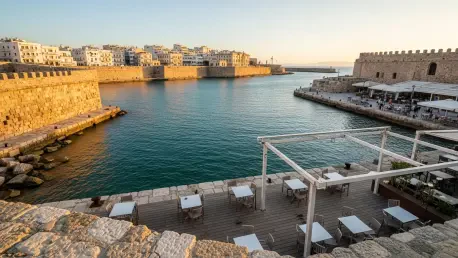
Heraklion and Larnaca serve as the primary anchors for this shift, effectively blending thousands of years of human history with modern, budget-friendly leisure. These cities allow visitors to bypass the high-pressure commercialization of smaller islands while providing immediate access to the same azure waters. Heraklion, the capital of Crete, leverages its Venetian heritage and proximity to ancient ruins to offer a “value-packed” alternative that appeals to both history enthusiasts and sun-seekers. The ability to walk from a world-class museum to a public beach within minutes provides a logistical convenience that many luxury resorts struggle to replicate at a similar price point.
Data regarding regional spending reveals that local dining and diverse accommodation tiers in Crete remain significantly more competitive than in neighboring resort corridors. Travelers can find high-quality, farm-to-table Greek cuisine at a fraction of the cost found in more famous Cycladic destinations. However, the development of this value-packed model requires a careful approach to environmental stewardship. In Cyprus, balancing modern tourist infrastructure with the preservation of natural havens like the salt lakes remains a priority to ensure that the very beauty attracting visitors is not compromised by the influx of tourism.
The Rise of the Underrated Adriatic: Economic Resilience in Albania and Bosnia
On the eastern side of the Adriatic, the emergence of Durrës and Neum signals a profound change in how regional tourism competition functions. These locations have become strategic havens for those seeking a relaxed pace and low-cost resort access, often at half the price of established Croatian or Italian coastlines. Durrës, in particular, has seen a surge of interest due to its expansive sandy beaches and its status as a gateway to the broader Balkan region. The shift toward “quiet escape” segments indicates that travelers are increasingly prioritizing a lack of crowds and a more authentic connection with the local culture over the prestige of a specific zip code.
While the growth of these markets offers immense economic opportunity, it also introduces the risks associated with rapid development. Regions previously overlooked by Western European markets must now navigate the challenge of upgrading infrastructure without losing the “off-the-beaten-path” charm that initially sparked the interest of budget-conscious explorers. This economic resilience is built on the ability of these towns to offer high-quality services while maintaining a price gap that keeps them attractive in a crowded Mediterranean market. The opportunities for sustainable growth are significant if these regions can maintain their unique identities.
Decentering the Mediterranean: Exploring Spain’s Atlantic Roots and the Welsh Seascape
Moving toward the Atlantic, the contrast between the sunny heritage of Cádiz and the rugged intellectualism of Aberystwyth challenges the belief that a premier holiday requires a Mediterranean climate. In Cádiz, the sheer scale of the history and the openness of the beaches provide a grounded alternative to the crowded Costa del Sol. The city remains one of the most affordable coastal hubs in Spain, offering a wealth of cultural assets from its Roman roots to its seafaring legacy. This Atlantic appeal relies on a slower pace of life and a focus on local culinary traditions that have remained largely unaffected by global mass-market trends.
In contrast, the Welsh coastline utilizes its university population and academic roots to maintain stabilized pricing for food and lodging, proving that dramatic cliffs and sea breezes hold a unique, high-value appeal. In Aberystwyth, the presence of a strong student community ensures that the local economy remains accessible year-round, preventing the seasonal price spikes common in purely tourist-driven towns. These Atlantic destinations emphasize that a sophisticated travel experience is often found in the character of the town rather than the heat of the sun, attracting a demographic that values intellectual stimulation as much as relaxation.
The “Historical Layer” Advantage: Why Culture-First Destinations Outperform Pure Resorts
The inclusion of a “physical timeline”—ranging from ancient Venetian walls to repurposed Cold War bunkers—provides a layer of value that pure beach resorts cannot match. Destinations like Durrës and Heraklion offer a more intellectually satisfying journey by allowing visitors to explore the layers of human history that have shaped the coastline. Industry analysts suggest that this trend represents a broader democratization of travel, where the preference for authentic local life has finally overtaken the allure of isolated luxury. A beach trip that includes an afternoon in a medieval fortress or an ancient harbor is perceived as a much richer investment of both time and money.
Integrating urban centers with beach access creates a seamless itinerary where cultural exploration and physical relaxation coexist. This hybrid model has redefined the standards of the European summer by moving away from the “all-inclusive” bubble toward a more integrated experience. Expert opinions highlight that as travelers become more savvy, they seek out locations that offer a sense of place and a tangible connection to the past. The ability to dine in a century-old town square before heading to the shore provides a variety of experiences that keep the holiday engaging and memorable without requiring additional luxury expenditures.
Practical Strategies for Capitalizing on Europe’s Emerging Coastal Markets
To capitalize on these emerging markets, identifying “secondary” cities that mirror the natural beauty of famous counterparts remains the most effective strategy. Travelers find the greatest success by looking for hubs with robust public transit and local markets, which often indicate a resilient and self-sustaining economy. The core pillars of this 2026 trend—accessibility, historical integration, and economic sustainability—serve as a roadmap for finding high-value escapes. By focusing on regions that prioritize the needs of residents alongside visitors, travelers can enjoy a more authentic and affordable experience that avoids the pitfalls of tourist traps.
Local governments and businesses must continue to prioritize affordable dining and lodging to ensure that these destinations do not fall into the trap of short-term price gouging. Maintaining long-term visitor interest requires a commitment to value and a rejection of the high-margin, low-authenticity model of tourism. For the traveler, the best advice is to look for “university towns” or “historic ports” rather than “resort towns.” These locations tend to have grounded pricing structures and a more diverse range of activities that go beyond simple sunbathing, providing a more balanced and sustainable way to explore the European coastline.
The Longevity of the Value-Driven Coastal Model
The move away from brand-name coastal resorts signaled a permanent shift in global travel behavior and established a more equitable landscape for tourism. Authenticity and cultural depth became the primary currencies of the season, ensuring that the essence of the European holiday remained accessible to a wide demographic of explorers. This value-driven model proved its resilience by offering deeper connections to local communities and historical legacies that outlasted the fleeting appeal of luxury trends. By choosing destinations that balanced modern needs with historical preservation, travelers found a more meaningful way to engage with the world’s most beautiful shorelines.
The transition away from superficial luxury reflected a collective desire for a travel experience that was as economically sensible as it was geographically stunning. As these emerging markets matured, they demonstrated that the future of travel lay in the democratization of access to culture and nature. The shift toward “smart” travel choices was not a temporary reaction to economic pressure but a long-term evolution in how people valued their time and resources. Ultimately, the success of these affordable coastal trends confirmed that the most memorable summers were those spent in places with a true sense of history and a genuine welcome for every visitor.