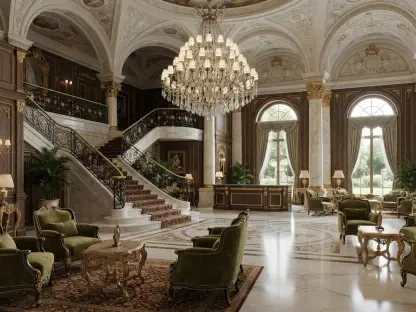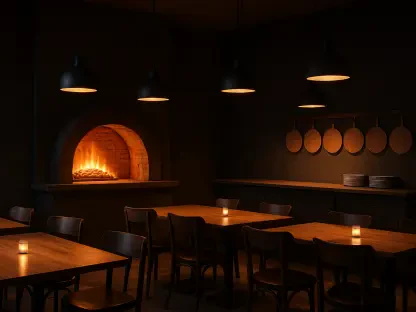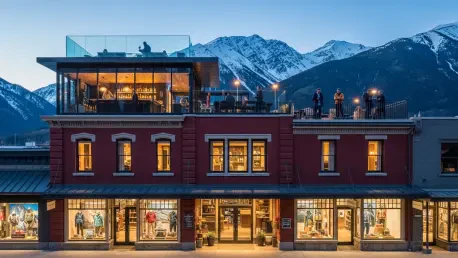

The revitalization of the historic Royal Hotel in downtown Fernie represents a defining moment for the regional hospitality sector as it transitions from a weathered landmark into a sophisticated boutique retreat for modern travelers. This ambitious undertaking, led by the collaborative efforts of Mountain Riders Lodging and Castleavery Hospitality, seeks to breathe new life into the 1909 structure situated at 501 1 Avenue. By transforming the property into a high-end, 24-room establishment, the developers are addressing a growing demand for specialized accommodations that cater specifically to the adventure-oriented demographic. This project is not merely a renovation but a strategic reimagining of how historical assets can serve the evolving needs of year-round tourism in British Columbia. The design philosophy emphasizes a blend of rugged outdoor utility and refined interior comfort, ensuring that the hotel serves as both a sanctuary and a functional basecamp. Through this initiative, the local hospitality landscape is expected to witness a significant shift toward personalized guest experiences that prioritize regional character over generic lodging.
Balancing Architectural Heritage with Modern Utility
Preserving the aesthetic integrity of a building that survived the rebuilding era following Fernie’s great fire requires a meticulous approach to heritage conservation. Developers have engaged specialized heritage consultants to ensure that the iconic exterior remains a testament to the city’s resilient past, focusing particularly on the preservation of the original signage and the distinctive painted mural that adorns the side of the brick facade. While the exterior maintains its historical gravity, the interior is undergoing a radical transformation to incorporate luxury amenities that align with contemporary standards. A standout feature of the redesign is the inclusion of a rooftop bar designed to offer 360-degree panoramic views of the surrounding mountain ranges, providing a unique social space that previously did not exist in the downtown core. This space, along with a main-floor lounge and restaurant, is intended to foster a communal environment where guests can congregate. Furthermore, the basement is being repurposed for specialized equipment storage and secure ski lockers to meet the technical requirements of the modern mountain athlete.
Navigating Economic Shifts and Strategic Implementation
The path toward the current construction phase was shaped by a period of economic stabilization following the volatility seen in the early 2020s, allowing the project to move forward with renewed financial confidence. Originally acquired in 2019, the development faced several years of logistical pauses due to shifting interest rates and global inflationary pressures that impacted the construction industry. As of 2026, the project team successfully synchronized their efforts with municipal authorities to finalize the Heritage Alteration Permit, clearing the way for active site work to begin in late summer. This timeline positioned the hotel for a grand opening in 2027, ensuring that the facility was ready to capture the next wave of international tourism. To ensure long-term viability, stakeholders prioritized the integration of durable materials and energy-efficient systems that respected the building’s old-world charm while reducing operational costs. The management team focused on creating a resilient business model that leveraged the unique boutique nature of the property to stand out against larger, corporate competitors. This transition successfully demonstrated how historical preservation could coexist with aggressive commercial modernization.