
The evolution of the luxury travel sector has reached a pivotal juncture where mere opulence is no longer sufficient to satisfy the modern traveler’s desire for meaningful engagement with the natural world. In response to this shifting paradigm, the Khensani River Lodge is emerging as a transformative sanctuary situated within the renowned MalaMala Game Reserve in South Africa. This nine-suite development represents the culmination of more than fifteen years of meticulous strategic planning aimed at establishing a new benchmark for sustainable safari experiences. Positioned gracefully along the banks of the life-giving Sand River, the lodge provides guests with an intimate connection to a diverse ecosystem that has remained relatively undisturbed for decades. This project does not simply offer a place to stay; it serves as a sophisticated response to the urgent need for conservation-driven tourism that prioritizes the health of the land and the dignity of the people who inhabit it.
Social Responsibility and Architectural Fusion
Establishing a truly equitable relationship between private investors and local stakeholders is central to the lodge’s operational philosophy, manifested through a joint venture with the community. The name Khensani, which translates to “gratitude” in the Shangaan language, serves as a constant reminder of the profound bond between the land’s traditional owners and the operators of the facility. This partnership ensures that the economic benefits generated by high-end tourism are distributed fairly, fostering a sense of shared ownership and collective prosperity. Through initiatives like the Mintirho Community Development Trust, the project transcends the traditional role of an employer by funding essential local infrastructure and educational programs. By integrating these social objectives into the core business model, the lodge demonstrates how luxury travel can act as a powerful catalyst for regional development, providing sustainable livelihoods that extend far beyond the immediate hospitality sector.
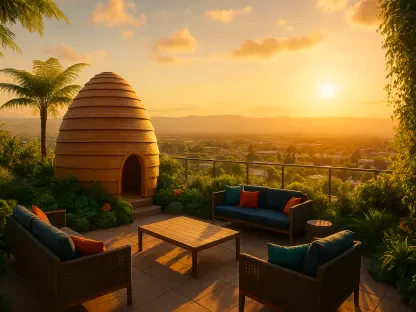
The physical structure of the lodge reflects a deep respect for the Mpumalanga bushveld, utilizing an architectural language that blends contemporary sophistication with traditional South African elements. By employing natural materials such as weathered timber and stone sourced from the Sand River, the design team has created a space that appears to grow organically from the earth. This aesthetic choice minimizes the visual footprint of the property, ensuring that the sprawling vistas of the reserve remain the primary focus for every visitor. Each of the nine suites is designed as a secluded retreat, featuring an expansive open-plan layout that encourages a seamless flow between indoor and outdoor living areas. Private plunge pools offer a tranquil vantage point from which to observe the local wildlife, while the use of large glass panels and natural ventilation systems reduces the reliance on artificial cooling. This thoughtful integration allows guests to remain fully immersed in the wilderness.
Holistic Integration and Long-Term Ecological Stewardship
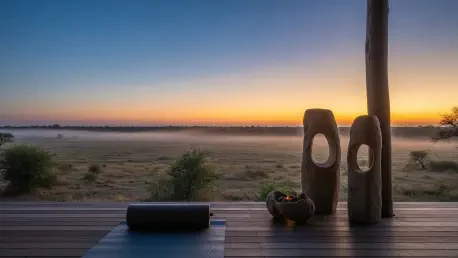
Beyond the traditional excitement of game drives, the guest experience at the property is defined by a comprehensive approach to holistic wellness and authentic cultural immersion. A dedicated wellness center provides a serene environment for yoga and restorative treatments that draw inspiration from local healing traditions. This focus on physical and mental rejuvenation is complemented by a culinary program that celebrates the diverse and vibrant flavors of the region. Dining at the lodge is an experiential journey, characterized by the “fire-to-table” concept in a traditional boma setting where indigenous ingredients are prepared with meticulous care. The use of traditional Shangaan spices and locally sourced produce creates a sensory link to the surrounding landscape and its cultural heritage. This gastronomic strategy not only supports local farmers but also provides diners with a deeper understanding of the ecological and cultural tapestry that makes this part of South Africa unique.
The long-term viability of the African wilderness depended on the successful implementation of conservation strategies that integrated financial stability with ecological integrity. By sharing an unfenced border with the Kruger National Park, the reserve facilitated the unrestricted movement of the Big Five and various endangered species across a vast protected landscape. Revenue generated from the lodge directly supported advanced anti-poaching measures and critical research partnerships designed to monitor predator populations. Stakeholders focused on maintaining the delicate balance of the ecosystem through rigorous land management and the reduction of human-wildlife conflict. It was determined that future success relied on the adoption of verified community-led certifications to ensure authentic impact. The industry moved toward prioritizing decentralized energy grids and water recycling to protect fragile biomes. Operators established deeper transparency regarding the distribution of tourism revenue to local indigenous trusts.