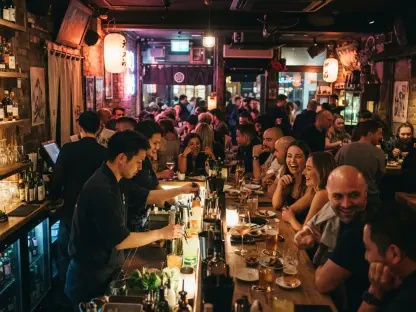

Los Angeles has successfully redefined the parameters of urban exploration by transforming its vast sprawl into a meticulously curated gallery of global flavors that rivals the traditional museum circuit. The city is currently undergoing a radical shift, moving beyond its identity as a film industry hub to become the undisputed epicenter of international food tourism. This evolution is driven by a unique intersection of extreme cultural diversity and a sophisticated hospitality infrastructure designed to attract millions of global travelers. By utilizing large-scale initiatives like “Dine LA Restaurant Week 2026,” the city is leveraging gastronomy as its primary tool for economic growth and destination branding, signaling a new era where the plate is the ultimate tourist attraction.
Current hospitality data suggests that the surge in culinary interest is not merely a passing phase but a structural transformation of how the region markets itself to the world. Financial projections for the current cycle highlight how the hospitality sector serves as a backbone for the regional economy, with the city recently recording nearly 50 million annual visitors. Industry observers suggest that the transition from a passive tourist experience to an active culinary journey is what separates Southern California from its global competitors. By focusing on the intrinsic link between cultural narrative and dining, the city has managed to insulate its tourism market against broader economic shifts, ensuring a steady stream of revenue from both domestic and international sources.
The Culinary Transformation of the City of Angels
The narrative of Los Angeles is being rewritten through the lens of its kitchens, where the traditional allure of Hollywood glamour is now matched by the prestige of its diverse dining scene. Experts in destination management note that the city has moved toward a model where food is the primary anchor for travel itineraries, rather than a secondary consideration. This shift is supported by a massive hospitality infrastructure that has been fine-tuned to accommodate the specific needs of modern food tourists, who demand high-quality, authentic experiences that reflect the city’s complex social fabric. The 2026 initiative serves as a focal point for this transformation, providing a structured platform for over 400 restaurants to showcase their capabilities on a global stage.
Economic stability in the region is increasingly tied to the success of these culinary programs, which generate billions in business sales and support over half a million jobs. The ripple effect of a thriving restaurant industry extends into transportation, retail, and lodging, creating a comprehensive ecosystem that rewards innovation and quality. Analysts suggest that the professionalization of the dining sector has allowed the city to compete with traditional food capitals in Europe and Asia. By positioning itself as a place where the world’s cuisines converge, the city has created a brand identity that is both inclusive and premium, appealing to a wide range of global travelers who view food as a window into a city’s soul.
Harnessing Diversity as a Strategic Economic Engine
The 26-Cuisine Framework: Mapping the World Within a Single County
The city has effectively turned its immigrant heritage into a competitive advantage by curating a global food journey that spans 26 distinct culinary traditions. Unlike other major cities that might focus on a few signature dishes, the local model thrives on hyper-authenticity, allowing a visitor to transition from high-end Japanese omakase in West Hollywood to traditional Filipino flavors in the valley. This sheer variety acts as a massive draw for the culinary explorer demographic, a group that values cultural immersion as much as taste. The ability to sample world-class Korean, Mexican, Ethiopian, and French cuisine within the same county borders creates a unique selling proposition that few other destinations can replicate.
From a strategic standpoint, this diversity provides a resilient tourism ecosystem that is not dependent on a single market or trend. When one culinary style sees a dip in popularity, another often rises to take its place, ensuring that the city’s overall appeal remains constant. Tourism specialists highlight that this multicultural approach also fosters a sense of inclusivity, making the city a welcoming destination for travelers from all corners of the globe. By celebrating the authentic roots of these 26 cuisines, the city avoids the pitfalls of generic “fusion” food, instead offering deep-dive experiences that honor the history and techniques of the original cultures.
Decentralizing the Tourist Experience Through Neighborhood Exploration
A critical component of the leadership in food tourism is the intentional push toward geographic dispersion, moving the spotlight away from traditional hotspots and into 84 unique neighborhoods. By featuring restaurants in areas like Glendale, Long Beach, and Montrose, the city successfully mitigates the pressure of over-tourism while injecting capital directly into local residential economies. This strategy transforms neighborhoods into destinations in their own right, encouraging visitors to spend more time exploring the hidden corners of the county. The result is a more balanced distribution of wealth and a more genuine reflection of Southern California life for the visitor.
Urban planners suggest that this decentralization is essential for the long-term sustainability of the tourism industry. By spreading the foot traffic across a larger area, the city reduces the strain on infrastructure in places like Hollywood or Santa Monica. Moreover, it allows smaller, family-owned establishments in outlying neighborhoods to benefit from the global marketing reach of larger city initiatives. This creates a more robust and diverse business environment where innovation can flourish at all levels, ensuring that the city’s culinary landscape remains vibrant and evolving rather than stagnant and centralized.
The Professionalization of Culinary Events and Structural Benchmarks
The current August 2026 Dine LA initiative showcases the rigorous logistical standards required to sustain a global food surge, including strict eligibility for brick-and-mortar establishments and tiered pricing structures. These barriers to entry ensure a high-quality, predictable experience for travelers, while the 15-day window provides the necessary duration for international visitors to integrate these experiences into their broader travel plans. By treating a restaurant week as a professionalized, large-scale industry event rather than a simple promotion, the city sets a high benchmark for how modern urban centers can monetize their dining scenes effectively.
Industry leaders recognize that the success of such events depends on consistency and clear communication. The use of prix-fixe menus at various price points, from budget-friendly lunches to luxury dinner options, ensures that the program remains accessible to a broad audience. This structural clarity allows visitors to plan their spending with precision, reducing the friction often associated with traveling in a large, expensive city. Furthermore, the requirement for participating businesses to offer dine-in service reinforces the importance of the physical hospitality environment, supporting the real estate and labor markets that underpin the city’s economy.
Synchronizing Hospitality with the “Dine + Stay” Integrated Model
To maximize the impact of the food surge, the city has pioneered the “Dine + Stay” concept, which creates a symbiotic relationship between the restaurant and hotel sectors. This holistic approach recognizes that food tourism does not exist in a vacuum; it requires a coordinated effort across transportation, lodging, and retail. By offering packages that combine high-value dining with boutique accommodations, the logistics for visitors are simplified, making it easier for them to navigate the vast urban sprawl. This integration ensures a consistent flow of revenue across the entire hospitality spectrum, benefiting stakeholders from luxury hotel chains to local transit providers.
Travel analysts suggest that this integrated model is becoming the gold standard for global tourism hubs. By aligning hotel stays with major culinary events, the city can drive occupancy rates during periods that might otherwise see a seasonal dip. This strategy also encourages longer stays, as visitors are more likely to remain in the city to experience multiple dining tiers and neighborhoods. The coordination between these two major industries demonstrates a level of strategic maturity that allows the region to maximize the economic yield of every visitor, turning a simple meal into a multi-day economic event.
Maximizing the Impact of a Global Gastronomic Itinerary
For travelers navigating the sprawling landscape of Southern California, the strategic use of curated digital directories has become indispensable for a successful trip. These platforms allow visitors to align their dining choices with broader sightseeing objectives, creating a seamless flow between cultural landmarks and culinary destinations. By filtering options according to geographic location and price point, food tourists can efficiently manage their time and resources. This level of customization ensures that even a short stay in the county can encompass a wide variety of global influences, from high-end omakase to traditional street-level flavors.
The digital infrastructure supporting the food surge provides a level of transparency that was previously unavailable to the average tourist. Real-time menu updates, pricing tiers, and neighborhood guides allow for a high degree of travel autonomy. Tourism specialists emphasize that the most successful travelers are those who use these tools to build a thematic itinerary, perhaps focusing on a specific cuisine one day and a specific geographic region the next. This purposeful approach to tourism not only enhances the visitor experience but also supports the city’s goal of promoting a diverse range of businesses across the entire metropolitan area.
The Future of Food as a Destination Anchor
The strategic focus on decentralized exploration provided a sustainable path for urban growth in the mid-2020s. By prioritizing inclusivity and professional excellence, the city successfully turned every meal into a gateway for cultural discovery. This approach did not just feed visitors; it nourished the entire community by fostering pride in the city’s diverse heritage. As the 2026 cycle progressed, it became clear that the success of urban tourism depended on a city’s ability to celebrate its authentic local soul while maintaining a world-class standard of hospitality. The ability to generate billions in visitor-driven sales through a 15-day event proved that gastronomy was a powerful anchor for 21st-century urban development.
To continue this momentum, stakeholders should focus on deepening the integration between local food producers and the restaurant sector, ensuring that the “farm-to-table” narrative remains authentic and locally grounded. Future considerations might also include expanding digital mapping tools to include more historical context for each culinary district, further enriching the visitor’s journey. Los Angeles did not merely participate in the food tourism trend; it defined the global standard for how a modern city can invite the world to its table. By maintaining these rigorous standards and continuing to highlight the 84 unique neighborhoods, the city ensured its place at the head of the global table for years to come.