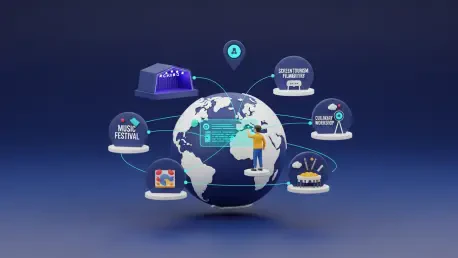

Global wanderlust is no longer satisfied by the static observation of historic landmarks; instead, a new generation of explorers is demanding active participation in the living culture of their destinations. This fundamental change in human behavior has moved the travel industry away from a traditional checklist of monuments toward a search for deep personal connection. In this new landscape, the value of a journey is defined by the quality of the moments experienced rather than the distance traveled from home.
The End of Sightseeing: Why Modern Travelers Are Chasing Memories, Not Just Maps
The traditional concept of tourism is undergoing a radical transformation as travelers seek emotional engagement over passive viewing. This shift has fueled a staggering $1.3 trillion industry where spending is directed toward unique activities that offer a sense of personal growth or discovery. For many, the simple act of visiting a famous city is no longer enough; the trip must provide a transformative narrative that justifies the investment of time and money.
Furthermore, the timing of vacation planning has shifted to center on specific moments of cultural significance. The “on-sale” date for a highly anticipated event or a limited-time immersive attraction has replaced the flight booking as the true start of the travel journey. This shift proves that the desire to be present for a specific experience is now the primary catalyst for global mobility, making the event itself more important than the destination’s general reputation.
Understanding the $1.3 Trillion Shift Toward Immersive Discovery
The transition from passive observation to active participation reflects a growing appetite for immersive discovery. Modern visitors are increasingly looking for “emotional ownership” of the places they visit, preferring to engage with local creators and hidden narratives rather than sterilized tourist zones. This desire for depth ensures that travelers feel like participants in a story rather than just temporary observers of a scene.
Social media saturation has also played a critical role in rendering traditional travel advertising less effective. Younger demographics prioritize experiences that offer social currency, where a “shareable” moment becomes the gold standard for success. For these individuals, the ability to document and share an authentic, unique interaction is far more valuable than the luxury amenities of a hotel, driving a total realignment of marketing priorities across the travel sector.
From Screen Tourism to Event-Led Itineraries: The New Drivers of Global Mobility
The power of popular culture has created a massive surge in screen tourism, where fans travel across borders to visit the physical locations of their favorite films and shows. In the United Kingdom, this phenomenon has generated an estimated £892 million impact on regional visitor economies. This “experience-first” model demonstrates that major entertainment brands now dictate travel patterns, with fans willing to book entire itineraries around a single immersive attraction or live performance.
Case studies like Tulleys Farm highlight how businesses can pivot from traditional marketing to organic, word-of-mouth momentum. By creating high-quality, atmospheric environments that naturally encourage digital sharing, the venue bypassed the need for expensive advertising campaigns. This success underscores the growth of global fandoms and their willingness to invest in travel to achieve an authentic interaction with the brands they follow.
Expert Insights on the Diminishing Return of Traditional Ads and the Power of Narrative
Industry leaders at the On Sale Live ’26 conference emphasized that straightforward sales messages are no longer sufficient to capture a global audience. As consumers become more resistant to traditional advertising, the focus has shifted toward complex narrative storytelling that builds community engagement long before a ticket is ever purchased. This approach creates a sense of belonging and anticipation that traditional marketing funnels simply cannot replicate in a crowded marketplace.
However, there remains a notable disparity between the growth of the experience economy and the resources available to marketing teams. Despite the sector’s expansion, many professionals are operating with limited budgets while navigating increasingly elongated customer journeys. Maintaining authenticity requires a strategic pivot toward public relations and community-focused campaigns that prioritize long-term brand equity over short-term transactional gains.
A Strategic Framework for Capturing the Global Experience Market
Developing a narrative-driven PR strategy is essential for any venue looking to create cultural relevance in a global market. By utilizing creator partnerships, destinations can reach international audiences with an authentic voice that resonates before the traveler even arrives in-country. These partnerships act as a bridge, transforming a distant attraction into a must-see destination through the power of trusted recommendations and visual storytelling.
To thrive, venues must position themselves as “anchor destinations” rather than secondary activities to be fitted into a trip. This requires a practical framework that optimizes the customer journey from the first digital interaction to the final on-site moment. In a high-cost and high-competition environment, providing a cohesive, story-led experience ensures that a destination can maintain its status as a primary driver of global tourism.
The industry recognized that the path forward demanded a total departure from old-school transactional models in favor of sustained relationship building. Strategic thinkers prioritized the development of proprietary platforms and loyalty ecosystems that offered fans deeper access to the creative process. By integrating augmented reality with high-touch human interaction, operators successfully bridged the gap between digital hype and physical reality. These actions established a blueprint for a resilient industry that prioritized longevity and emotional resonance over simple visitation numbers.