
The Staffordshire landscape is no longer just a backdrop; it has become the primary architect of a new era in hospitality where luxury is measured in acres rather than marble. This evolution at The Tawny, situated on the expansive Consall Estate, represents a fundamental break from the traditional hotel model that often confines guests within shared corridors and lobby spaces. By deconstructing the guest experience, the property invites a deep, physical connection with the environment, prioritizing mental clarity over conventional opulence. As high-end travel continues to evolve, this nature-led approach provides a vital sanctuary for those seeking a profound sense of restoration.
Trading Traditional Corridors for 70-Acre Wilderness Immersion
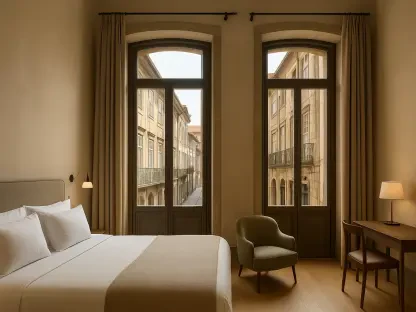
The architecture of the estate rejects the claustrophobia of typical luxury structures, opting instead for a collection of standalone treehouses, boathouses, and shepherds’ huts. This deconstructed luxury model grants guests an unprecedented level of privacy and autonomy, allowing the natural world to serve as the only neighbor. Each dwelling is strategically placed to maximize the visual and sensory impact of the wilderness, ensuring that the first sight upon waking is the movement of ancient trees or the stillness of a secluded lake. By removing the standard lobby experience, the hotel places the guest immediately within the Staffordshire landscape.
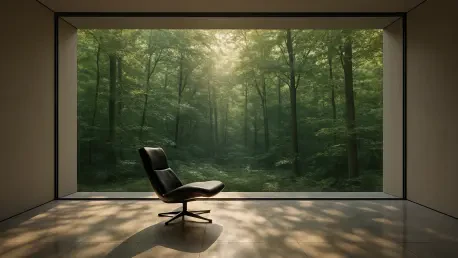
This immersion creates a natural backdrop for physical and mental recovery, transforming a simple walk to the central dining area into a meditative journey through nature. The Consall Estate serves as more than just a setting; it is an active participant in the guest’s wellbeing. Moving beyond the “four walls” of a standard hotel room encourages a sense of freedom that is often lost in high-end city accommodations. This design philosophy recognizes that true luxury in the current era is found in the ability to roam freely within a curated yet wild environment, fostering a deep connection to the earth.
The Growing Need for Radical Disconnection in High-End Hospitality
The shift in modern travel addresses a growing societal demand for radical disconnection, where passive relaxation is replaced by active and intentional restoration. In the high-end hospitality sector, travelers are increasingly moving away from city-center amenities in favor of environments that facilitate a complete switch off from digital noise and professional pressures. The environment at the Consall Estate is specifically designed to solve the modern problem of digital burnout through environmental design. By prioritizing holistic landscapes, the property offers a space where the rhythm of nature dictates the daily pace.
Rural retreats have become essential tools for mental restoration because they provide the environmental cues necessary for the brain to enter a state of rest. Modern luxury is no longer about the accumulation of services but about the removal of distractions. The connection between nature-led hospitality and the global trend toward switching off is rooted in the human need for sensory stimulation that does not involve a screen. By providing a landscape that requires active engagement—whether through walking the grounds or simply observing the wildlife—the property helps guests reclaim their mental energy.
Fusing Local History with Sensory Architectural Design
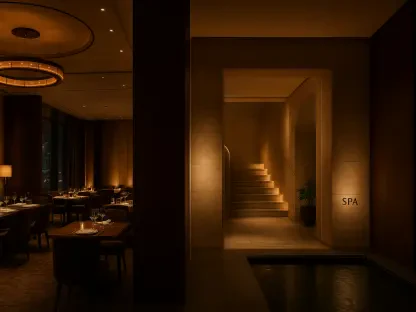
The recent launch of the Laund Pool Sauna and the development of Rousseau’s Cave Steam Room demonstrate how local history can be fused with sensory design. These facilities honor the 18th-century heritage of the site by incorporating sandstone sourced from the historic Wootton Hall, where the philosopher Jean-Jacques Rousseau once sought refuge. The result is a sensory atmosphere where low lighting and aromatic oils create a cocoon of tranquility that feels both ancient and contemporary. This architectural nod to the past anchors the wellness experience in the physical legacy of the Staffordshire countryside.
Balancing high-end gastronomy with wellness is achieved at the three-AA-Rosette Plumicorn restaurant, where the menu complements the restorative nature of the spa facilities. The integration of standalone spa structures into the existing heated outdoor pool infrastructure allows for a seamless transition between rigorous wellness standards and leisure. This sensory atmosphere is meticulously curated to promote deep relaxation, ensuring that every element of the design—from the texture of the stone to the scent of the oils—contributes to a unified theme of historical and natural immersion.
Benchmarking the Shift Toward Niche Wellness Across the Luxury Sector
The strategic expansion at The Tawny mirrors a broader trend across the luxury sector toward niche wellness offerings that drive long-term brand loyalty. Across the industry, properties like the QHotels Collection are introducing specialized Reformer Pilates studios to meet the sophisticated fitness demands of today’s guests. Similarly, THE NICI in Bournemouth has achieved five-star success by prioritizing its extensive spa and pool amenities, signaling that wellness is now a primary driver of luxury status. These developments indicate that comprehensive wellness facilities have become a benchmark for excellence in the 2026-2028 cycle.
Industry leaders agree that specialized facilities, such as the outdoor saunas being developed at Portmarnock Resort, are essential for properties looking to differentiate themselves in a crowded market. This movement toward specialized, high-end wellness is not merely a trend but a response to a more discerning traveler who seeks specific health outcomes. By benchmarking its growth against these industry shifts, the estate ensures it remains at the forefront of the luxury sector. The focus on niche activities provides a competitive edge, turning wellness into a core component of the property’s identity.
A Strategic Framework for Achieving a Sustainable Soft Reset
The strategic framework implemented at the estate utilized specific Soft Reset events that blended physical activities like yoga with the therapeutic power of sound healing. This framework facilitated a successful transition from daily stress to total woodland immersion, using the ancient landscape as a catalyst for long-term health. Looking toward 2027, the planned launch of guided forest bathing, or Shinrin-yoku, promised to further enhance these deep sensory connections. The integration of guided meditation and the historic environment allowed guests to achieve a state of total restoration that surpassed traditional spa treatments.
Practical steps were taken to ensure that the transition into nature was effortless for every visitor. The utilization of ancient landscapes for health benefits provided a blueprint for how luxury hospitality could evolve to meet the needs of the modern world. Travelers found that the combination of architectural history and sensory immersion created a lasting impact on their overall wellbeing. This strategic evolution of the estate ensured that the wellness journey was both transformative and enduring, establishing a new standard for sustainable luxury resets that focused on the total integration of the human experience with the natural world.