
Rush-hour gridlock on Sultan Qaboos Street has become a daily meter of lost time, rising costs, and rising temperatures that render short errands painful and long commutes exhausting, and the choice to drive often feels inevitable because the bus is seen as slower, harder to reach, and uncertain. Yet that inevitability is not fixed. Cities across hot climates—from Dubai to Doha—have shown that when buses arrive every few minutes, run straight to major destinations, and feel as safe and predictable as a bank app, riders follow. Muscat sits on the cusp of the same shift. The ingredients are clear: faster journeys, dependable schedules, a seamless first and last mile, climate-ready comfort, and prices that beat the total cost of owning and operating a car. The question is how to combine these elements into a system residents can rely on every day.
The Core Promise: Reliability, Reach, and Speed
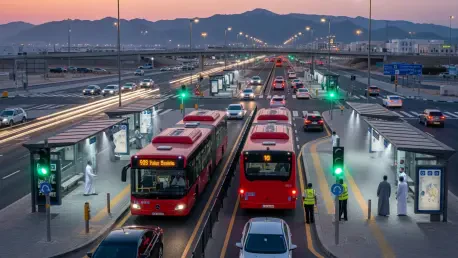
Frequency turns buses into a service that people plan life around, not a last resort, so a clock-face timetable—every 5, 10, or 15 minutes on core corridors during peak periods—should anchor the network. That rhythm only works if coverage hits the places people actually go: residential clusters from Al Khoud to Al Amerat; campuses in Athaiba and Al Hail; industrial zones in Rusayl and Maabela; and high-demand destinations like Muttrah Corniche and Sultan Qaboos University. Direct, limited-stop routes to airports, hospitals, and malls would remove needless transfers. To win back time, dedicated curbside or median bus lanes on segments of Sultan Qaboos Street, 18th November Street, and Al Inshirah Street could be paired with signal priority at key junctions. Even short priority segments stitched together can cut travel times and, more importantly, make them consistent.
Reliability falters when transfers are long or confusing, so compact interchanges—think shaded, well-signed nodes where two to four routes meet—should replace sprawling, sun-baked layovers. Design these hubs for 60-second sidewalk-to-platform moves, not 10-minute hikes through parking lots. Feeder shuttles from dense neighborhoods, cycling bays at stops, and designated “request stop” zones on safe, well-lit stretches would address the last 400 meters that often deter riders in midday heat. Microtransit pilots using minibuses can fill off-peak gaps, but they should publish the same data as trunk lines. This is where standards matter: public GTFS and GTFS-Realtime feeds let any journey planner show exact arrivals and transfer windows. Aligning services to school starts and office shifts—7:00–9:00 a.m., 1:00–2:30 p.m., 5:00–7:00 p.m.—ensures the network performs when demand peaks.
From Doorstep to Destination: Comfort, Safety, and Access
Climate shapes behavior, and in Muscat that means every minute outdoors must be bearable. Low-floor, air-conditioned buses with high-capacity cooling, UV-filtered windows, and wide doors keep dwell times short and interiors pleasant. Onboard displays and bilingual audio announcements reduce anxiety, while CCTV and clear rider rules set expectations for safety and respect. Shelters deserve the same rigor: shaded, ventilated canopies with misting fans or active cooling, seating with backrests, drinking water dispensers, and tactile paving for accessibility. In corridors with sustained heat exposure, enclosed, air-conditioned shelters—common near major malls—can serve as micro-oases. Staff training matters as much as hardware; courteous drivers, visible supervisors, and quick-response cleaning teams build a service culture that residents trust.
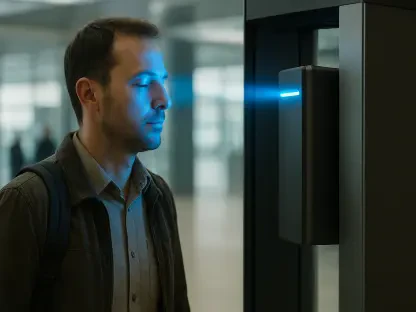
Comfort extends to predictability of information and frictionless payment. A unified mobile app offering live tracking, crowding estimates, disruption alerts, and door-to-door trip planning makes the system feel legible. NFC contactless taps on board, QR tickets via phones, and stored-value cards with auto top-up remove the scramble for cash. Fare capping—where riders automatically pay the lowest daily or monthly price—keeps pricing simple. Concession programs for students and women, off-peak discounts, and family bundles turn buses into a logical default for recurring trips. For the last leg, shaded walkways that link stops to building entrances, short-cut footpaths across parking lots, and safe midblock crossings reduce the “heat penalty” that often nudges people back to cars. Every small cut in hassle compounds into a large shift in mode choice.
Behavior and Pricing: Making Buses the Obvious Choice
Price signals work best when paired with social proof. Clear, low fares that undercut the true cost of driving—fuel, maintenance, parking—help, but simple products close the deal: weekly passes for commuters, semester passes for students, and employer-subsidized corporate passes that unlock payroll deductions. Partnering with business parks in Ghala and Knowledge Oasis to run timed express runs, co-branded with building access cards for tap-in convenience, makes bus use a workplace norm. Parking cash-out policies, where employees can take the value of a parking spot as a transit benefit, realign incentives without building new infrastructure. Occasional free-ride days on new routes, backed by targeted ads and influencer testimonials in Arabic and English, give fence-sitters a risk-free trial and stories to share.
The playbook for the next steps had been clear and actionable: set a 12–18 month program to raise peak frequency on core corridors, publish real-time data, and roll out contactless payment with fare capping; establish three priority bus segments with signal priority; retrofit the busiest 50 stops with shaded or cooled shelters and water; and launch two employer corridors with timed express service and parking cash-out pilots. Pricing had been simplified with a flat base fare, a capped monthly pass, and concessions. Communications had centered on time saved, heat avoided, and money kept. By aligning speed, access, and comfort with everyday incentives, Muscat had turned buses into the predictable, convenient choice—one commute at a time.